2026 FIFA World Cup Under Threat as Donald Trump Issues Warning to Co-Host Nation
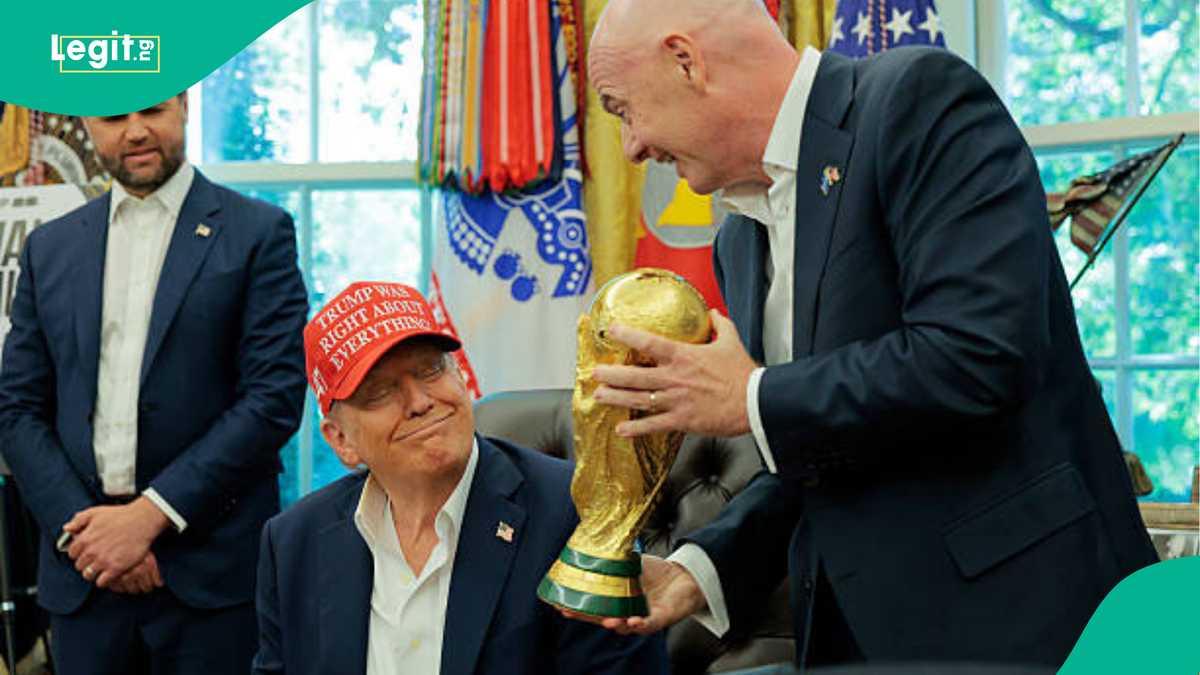
As the 2026 FIFA World Cup approaches, political tensions between the United States, Canada, and Mexico are overshadowing preparations for what is expected to be a groundbreaking event. Set to be hosted jointly by the three countries, this World Cup will be the first of its kind, spanning 16 cities, including 11 in the US, several in Mexico, and a few in Canada. However, recent remarks by U.S. President Donald Trump have shifted the focus from sport to political disputes, causing concern among fans and officials.
In the lead-up to the tournament, President Trump has made pointed criticisms of both Canada and Mexico. He has specifically accused Mexico of being plagued by drug cartel issues and threatened Canada with hefty tariffs—up to 100 percent—if it entertains closer economic ties with China. These statements followed Canada’s announcement of a trade agreement with China regarding electric vehicle exports. Such comments have raised international eyebrows and led to questions about the potential impact on fan attendance, commercial relationships, and overall enthusiasm for the World Cup.
Leaders from both Canada and Mexico have responded to Trump’s provocative statements. Canada’s Prime Minister Mark Carney has pushed back diplomatically against the dismissal of Canada’s sovereignty, illustrating a united front in response to Trump’s comments. Meanwhile, Mexico has reiterated its independence in tackling organized crime issues, despite the pressure it faces from the United States concerning the drug cartel situation.
The political landscape surrounding the World Cup has also entered discussions among figures in the global football community. Some prominent European football officials have even entertained the idea of a boycott due to the tensions stemming from the U.S. political climate, further illustrating the intertwining of sports and politics in this scenario. FIFA has confirmed its intention to move forward with the World Cup as planned, with no current changes to the hosting arrangements, despite the surrounding controversies.
As preparations continue, cities are finalizing stadium readiness and fans are organizing travel plans. However, the dichotomy between sports celebration and political debate has become a notable presence in the media narrative surrounding the tournament. The countdown to the event is indeed more complicated, as global politics now aligns with the anticipation of soccer greatness.
Additionally, the Trump administration has extended its travel restrictions to include two African nations—Ivory Coast and Senegal—further emphasizing the intersection between governance and international sporting events. As the tournament nears, its atmosphere is affected not only by the spirit of soccer but also by the urgent echoes of diplomacy, trade disputes, and geopolitical tensions. How these dynamics will affect the event remains speculative, but one thing is certain: the 2026 World Cup will take place under a cloud of significant political scrutiny.