BUA Cement to expand Sokoto plant with $240m investment
BUA Cement Plc has announced an ambitious plan to construct a state-of-the-art cement production line with a capacity of 3 million tonnes per annum in Sokoto, Nigeria. This $240 million project underscores the company’s commitment to increase production capacity and support infrastructure development across West Africa.
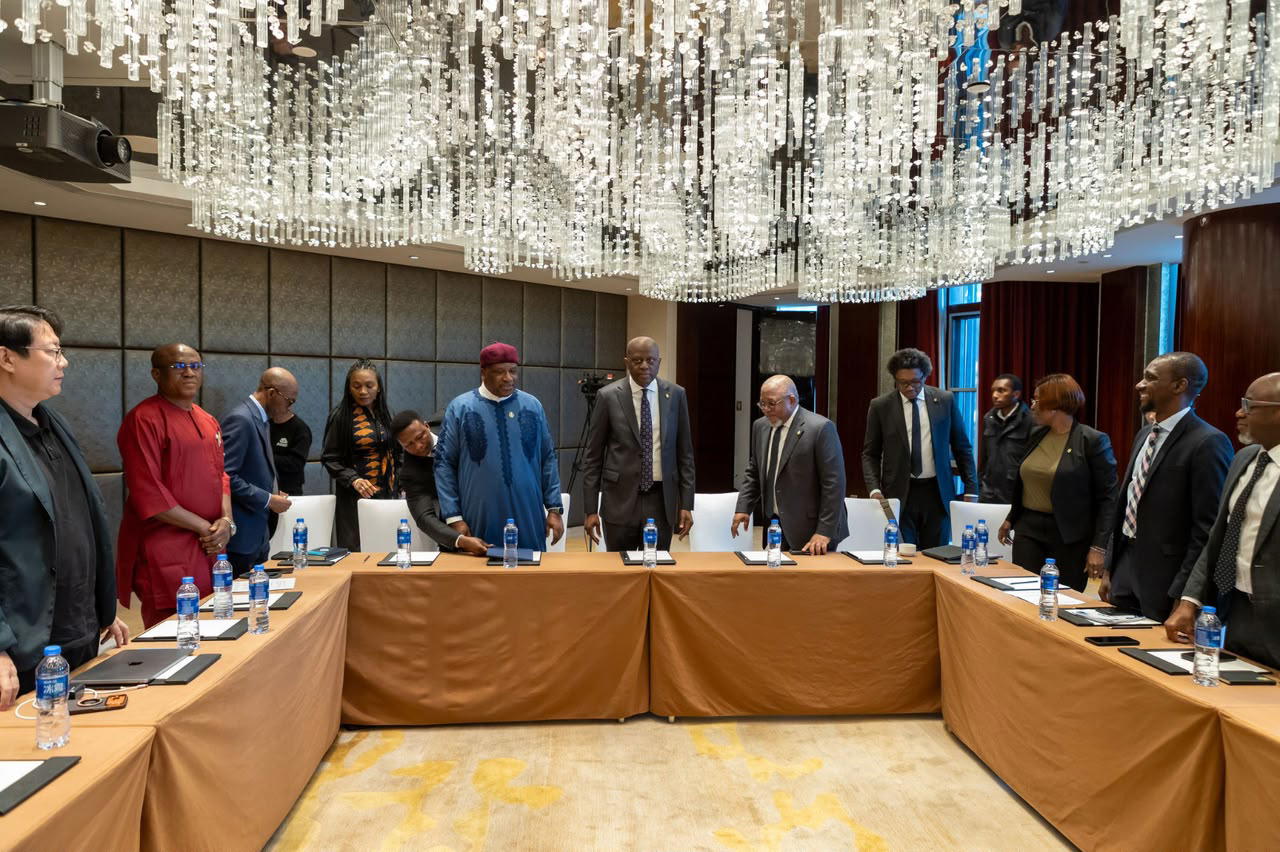
Collaborating with Chinese engineering firm CBMI, BUA Cement aims to elevate its total annual production to 20 million tonnes upon completion of the new facility. This expansion reinforces BUA’s status as a leading player in Nigeria’s cement market. The partnership with CBMI has already yielded significant results, with various projects that collectively amount to 14 million tonnes of cement production capacity at BUA’s Obu and Sokoto factories over the last 15 years.
Sokoto’s geographical advantage as the only cement-producing plant in Nigeria’s North-West makes it strategically positioned to meet both domestic demand and serve several landlocked neighboring countries. This locality enhances BUA’s market reach and logistical efficiency.
Furthermore, the project aligns with emerging industrial trends in Nigeria, emphasizing the integration of energy infrastructure with heavy manufacturing. A notable component of this initiative is a 700-tonne-per-day mini LNG plant under construction in Kogi. This facility is designed to provide clean, sustainable energy to the new Sokoto production line and existing operations. By co-locating energy production with cement manufacturing, BUA Cement aims to improve operational efficiency while minimizing carbon emissions, reflecting a broader commitment to sustainable practices within the industry.
In summary, BUA Cement Plc’s investment in expanding its Sokoto plant represents a significant step toward enhancing production capacity and solidifying its market position. The collaboration with CBMI signifies a long-term strategic partnership aimed at addressing the growing demands for cement both within Nigeria and in neighboring regions, while the integrated energy solutions further amplify the project’s potential to increase operational efficiency and promote sustainability in manufacturing.