APC Primaries: More hisses than cheers as fraud, fury taint process

APC Primaries Expose Internal Strife, Allegations of Fraud
By Omeiza Ajayi
A week-long primary election process for Nigeria’s ruling All Progressives Congress (APC) aimed at reinforcing President Bola Tinubu’s leadership ahead of the 2027 elections has instead revealed significant fractures within the party. Reports indicate incidents of ghost elections, parallel results, inflated vote counts, and protests, highlighting discontent in many regions.


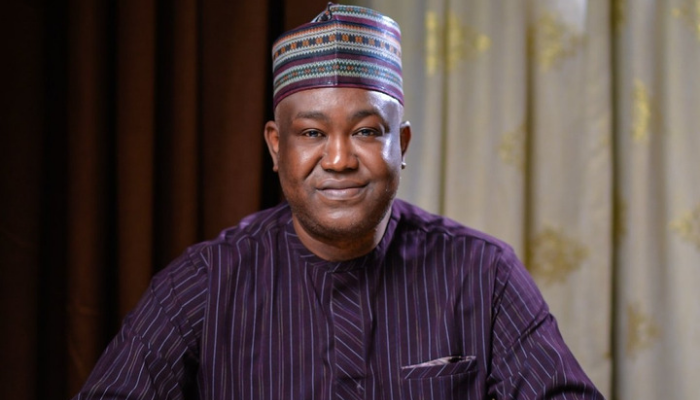
While some candidates heralded peaceful elections with positive outcomes, this was not the case for many others. In Balanga and Billiri local government areas of Gombe State on May 16, party members waited for hours for accreditation and ballot papers that never arrived. Despite this, results were announced by a returning officer, identified by aggrieved aspirant Alfred John Attajiri as a former commissioner.
Attajiri condemned the incident as an “invisible election,” stating that no valid primary occurred in those areas. He provided video evidence and eyewitness testimonies to support his claim.
The irregularities seen in Gombe were echoed throughout the week, prompting critics, including party members and aspirants, to label the primaries a “festival of manipulation.” Reports from Edo and Kogi states noted suspicious vote counts, with results jumping from single digits to thousands without justification.
The APC designated multiple days for its primary elections: House of Representatives on May 15 (rescheduled to May 16), Senate on May 18, State Houses of Assembly on May 20, and governorship primaries on May 21, culminating with the presidential primary on May 23.
Before voting even commenced, the House of Representatives primaries faced delays amid growing unrest among aspirants and grassroots members who resisted the imposition of consensus candidates. This method of endorsement, meant to promote party unity, instead incited backlash.
President Tinubu intervened prior to the primaries, urging party members to avoid conflicts and support democratic principles. However, his counsel appeared ineffective as discontent surfaced throughout the process.
Reports of violence, candidate imposition, and intimidation characterized various primaries. In Lagos, numerous polling stations faced disruptions and allegations of voter coercion, while discontent in Niger State over imposed candidates led to protests.
In Adamawa, aspirants demonstrated against perceived impositions, carrying placards advocating for democratic processes. One aspirant, Ahmadu Hamman Nasara, declared the primaries a failure of democracy, accusing the leadership of disregarding the electorate’s will.
Similar tensions emerged in Kaduna State, where a coalition of former lawmakers urged party leadership to address issues surrounding the consensus process. In Ondo State, aspirant Wale Omoniyi dismissed the validity of the primary election in his constituency, classifying it as a sham.
The chaotic nature of the primaries extended to results that defied logical scrutiny. For instance, in Imo West, Governor Hope Uzodimma received 230,464 votes, while his rival, former Governor Rochas Okorocha, garnered only 1,098 votes. Such disparities raised questions about voter turnout and registration accuracy.
Several candidates, including former governors and lawmakers, are now facing uncertain political futures, with reports indicating that many incumbents may not return to the National Assembly. Efforts to challenge the results are already underway, reflecting widespread dissatisfaction.
The APC’s internal conflicts raise concerns about its ability to unify ahead of the 2027 campaign season. As the party approaches its presidential primary, the repercussions of this tumultuous process remain to be seen, leaving its internal cohesion in question amid calls for integrity in electoral processes.