Lagos: NAFDAC Bust Deadly Fake-Drug Syndicate, Recover Eight Drug Logistic Trailers In Trade fair
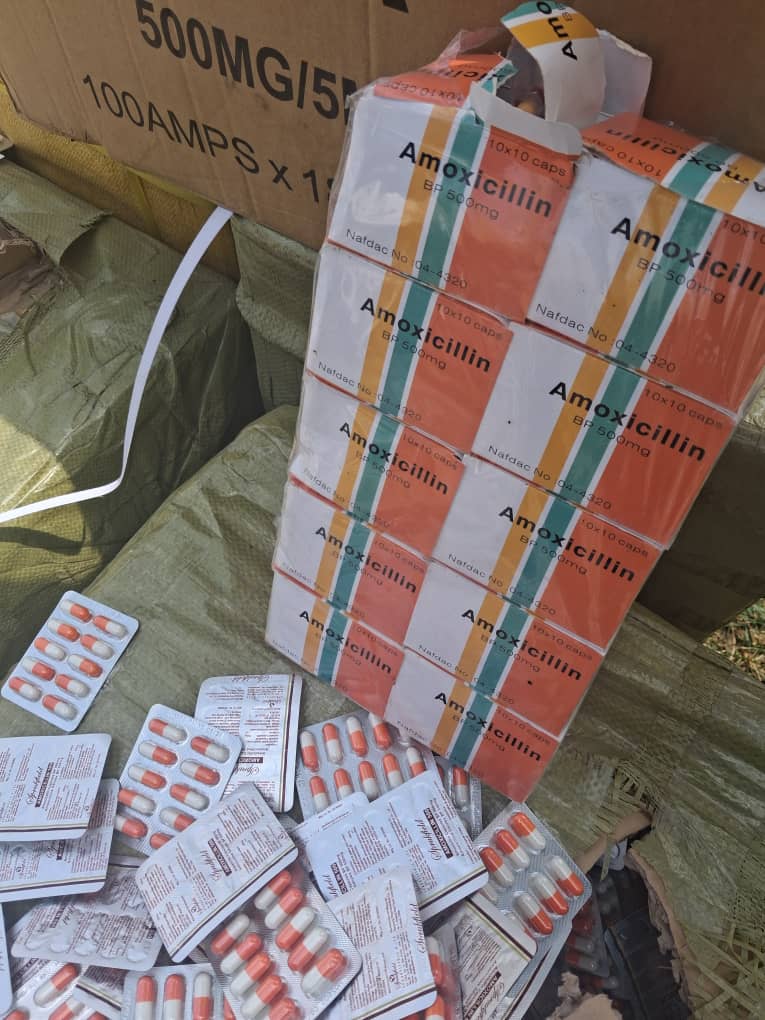
NAFDAC Uncovers Major Fake-Drug Operation in Lagos
LAGOS — The National Agency for Food and Drug Administration and Control (NAFDAC) has dismantled a significant counterfeit drug syndicate operating within the Trade Fair Complex, revealing a large illegal factory and distribution network for fake and banned medications.
At a press conference on Wednesday, NAFDAC Director Fagboyo Timothy reported that an operation based on intelligence received on February 3 led officials to a warehouse that concealed an extensive operation creating counterfeit medications.


Timothy stated that NAFDAC officials discovered millions of falsified and prohibited doses, including fake anti-malaria drugs, counterfeit injections, and products that have been banned in Nigeria for more than 15 years. Some of these drugs were designed to closely mimic genuine medicines, making them nearly undetectable to the average consumer.
The agency noted that the counterfeit anti-malaria drugs could potentially endanger over three million Nigerians who might presume they are receiving effective treatment.
In total, over 10 million doses of hazardous fake medicines and cosmetics were seized from the location, valued at approximately ₦3 billion. It required eight trailers to transport this dangerous cargo from the facility.
NAFDAC called this operation one of the largest drug busts in Nigerian history, indicating the warehouse was part of an organized cartel with a national distribution footprint. Four suspects were arrested on-site, and authorities are currently conducting a manhunt for the cartel’s leader, suspected of orchestrating a multi-billion-naira criminal operation.
The agency has affirmed its commitment to dismantling the entire counterfeit drug network, emphasizing that any individuals involved in the manufacturing, storage, or distribution of these harmful substances will face severe legal consequences.
This operation, according to NAFDAC, has averted a potential public health crisis and highlighted the risks posed by illicit pharmaceuticals in Nigeria.


