ADC says revised elections timetable make 2027 race ‘almost impossible’

ADC Rejects Revised Election Timetable, Citing Compliance Challenges
The African Democratic Congress (ADC) has formally opposed the revised 2027 election timetable issued by the Independent National Electoral Commission (INEC), arguing that the adjustments and requirements set forth in the Electoral Act 2026 could hinder the ability of opposition parties to field candidates.
In an appearance on Channels Television’s Politics Today on Friday, Bolaji Abdullahi, the party’s National Publicity Secretary, articulated the ADC’s concerns regarding the new schedule. He stated that the rejection of the timetable is a direct response to the party’s broader opposition to the Electoral Act 2026, which he characterized as imposing onerous compliance conditions on political parties.
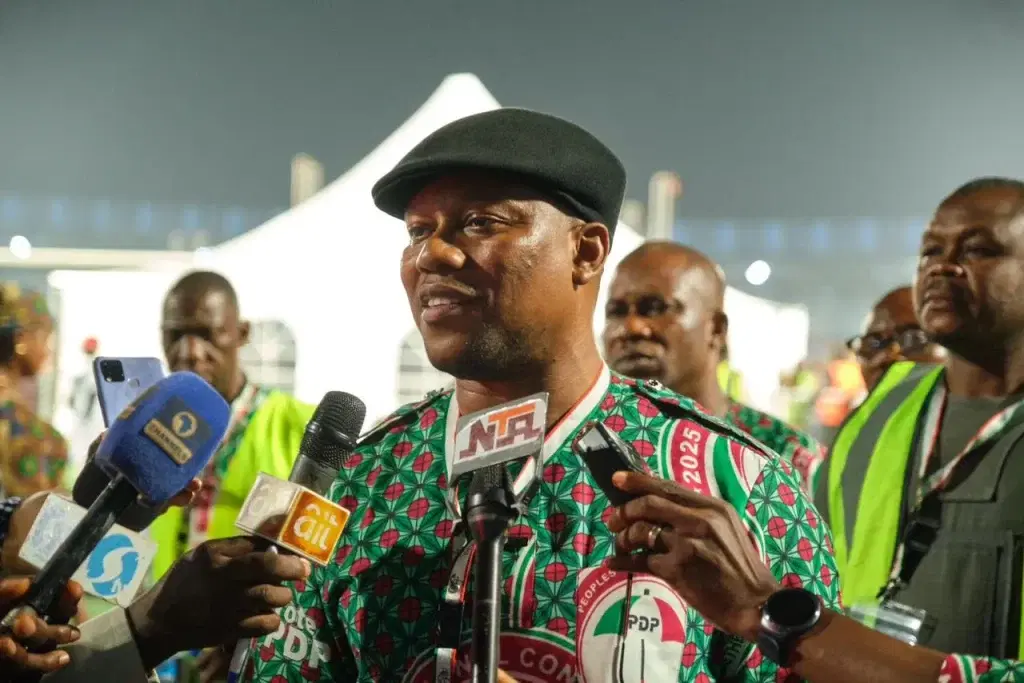
“The rejection of the timetable is a direct consequence of our stance on the Electoral Act 2026,” Abdullahi said. “The requirements stipulate that we must submit a fully digitalized membership register across all 36 states within approximately 32 days while simultaneously notifying INEC of our congresses or conventions.”
Abdullahi emphasized the difficulty of meeting these requirements within the outlined timeframe, calling them “almost practically impossible.” He characterized these provisions as “booby traps” aimed at weakening the participation of opposition parties, warning that non-compliance could prevent them from fielding candidates in the upcoming elections.
The ADC contends that the combination of the revised timetable and the legal framework lacks democratic principles and could undermine the credibility of the 2027 general elections unless amendments are made.
INEC has defended the need for the revised timetable, stating that it aligns with the new Electoral Act 2026, which was enacted by President Bola Tinubu following the repeal of the previous Electoral Act 2022. Mohammed Haruna, INEC’s National Commissioner and Chairman of the Information and Voter Education Committee, noted that key dates were adjusted to comply with the new law and to address concerns, including potential overlaps with the Ramadan fasting period.
Under the revised schedule, presidential and National Assembly elections are now set for January 16, 2027, while governorship and state assembly elections will take place on February 6, 2027. Party primaries are scheduled between April 23 and May 30, 2026. Presidential and National Assembly campaigns will begin on August 19, 2026, followed by governorship and state assembly campaigns starting on September 9, 2026. Campaigns must conclude 24 hours before election day.
INEC has called upon stakeholders to collaborate in ensuring peaceful and credible elections, while opposition parties express concerns that the compressed timeline may significantly impact the competitive landscape leading up to the 2027 elections.