Akin Osuntokun defects from Labour Party to join ADC

Akin Osuntokun, the former Director-General of the Labour Party Presidential Campaign Council, has officially joined the African Democratic Congress (ADC), confirming his decision in an interview in Lagos. He cited discontent with the Labour Party (LP) as the primary reason for his departure, pointing to the presence of what he referred to as “internal saboteurs.” Osuntokun criticized the party leadership, claiming they were more interested in personal gains than the country’s welfare.
He highlighted the turmoil within the LP, particularly following the declaration of Sen. Nenadi Usman as the valid chairman, which led to the removal of the Julius Abure-led National Working Committee. This change has created uncertainty within the party as the Abure-led faction plans to appeal the judgment, leaving members unsure of the party’s future direction.
In his view, the ADC stands out as the most credible political alternative currently, describing it as a capable opposition platform essential for combating one-party dominance in Nigeria. Osuntokun believes that a multiparty system is necessary for the country’s political health, stating that ADC represents the best chance to foster genuine political diversity.

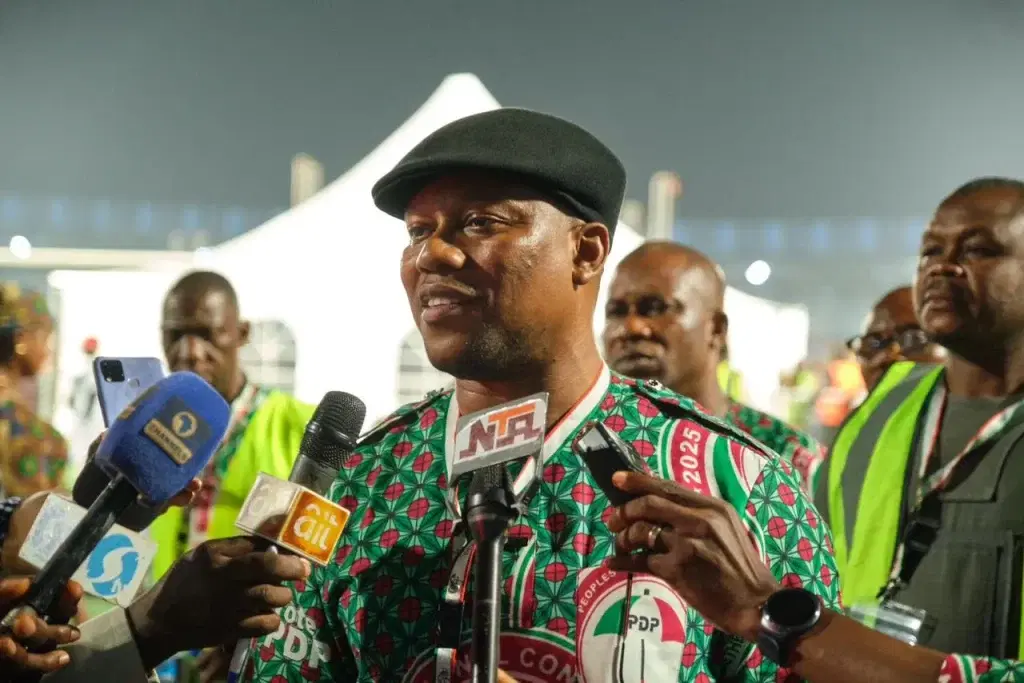

Osuntokun indicated that he had been leaning towards joining ADC even before his official move, noting that support from figures like former Minister of Transportation Rotimi Amaechi accelerated his decision. His relationship with ADC isn’t new; he was involved in the party’s inception, having co-founded it from a group called the Coalition for Nigerian Movement, which included prominent figures like former President Olusegun Obasanjo.
The ADC has attracted several notable opposition politicians, including former Vice President Atiku Abubakar and 2023 Labour Party Presidential candidate Peter Obi, indicating a growing coalition for the upcoming 2027 elections. Many analysts view this unification as a critical step towards strengthening opposition against the prevailing political landscape in Nigeria.
In summary, Osuntokun’s shift from the Labour Party to the ADC represents a significant move within Nigeria’s political arena, highlighting underlying issues of instability within the LP, and suggesting that ADC may become a pivotal player in future elections. His motivations stem from a desire for a robust multiparty system and genuine political representation in Nigeria.