Atiku slams refinery spending, says NNPC’s admission validates call for privatisation
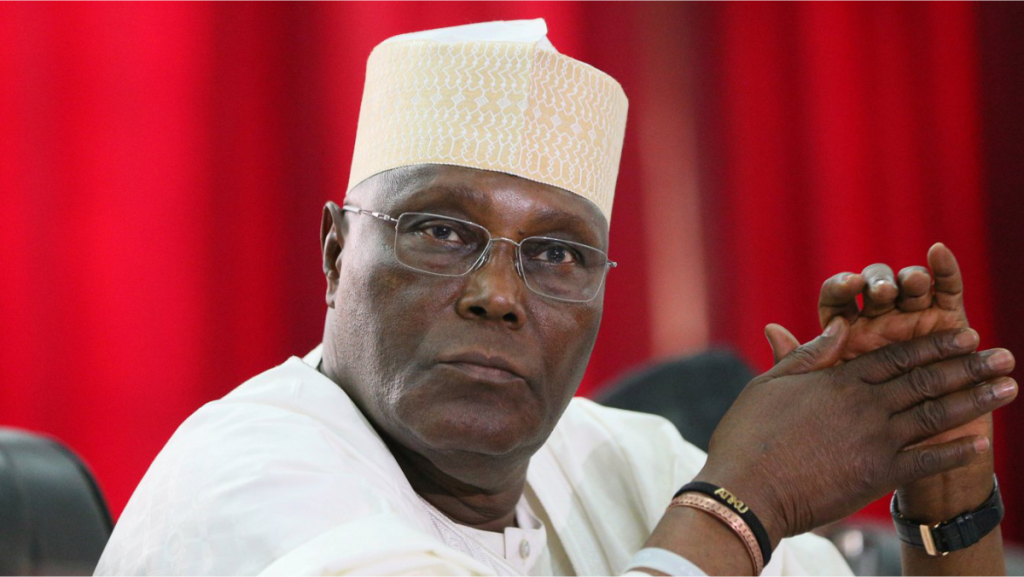
Former Vice President Atiku Abubakar Calls for Privatization of Nigeria’s Refineries
ABUJA — Former Vice President Atiku Abubakar asserted that the Nigerian National Petroleum Company Limited’s (NNPCL) recent admission regarding the Port Harcourt Refinery validates his long-held position advocating for the privatization of Nigeria’s refineries.
Atiku made the statement in a post on his Facebook page Sunday, responding to reports indicating that the Port Harcourt Refinery has incurred approximately $1.5 billion in expenses without producing petrol.
He noted that the current administration’s acknowledgment marks a delayed recognition of an economic reality he has highlighted for years: that ongoing public investment in non-functioning refineries is economically unjustifiable.
“It is instructive that the administration has finally come to terms with an inevitable truth: pouring public funds into moribund refineries makes no economic sense,” Atiku stated. “Paying billions of naira in salaries to facilities that do not produce a single litre of petrol does not serve the national interest.”
Atiku recalled that he had long advocated for the privatization of refineries, facing criticism and allegations of attempting to sell public assets to cronies.
“Today, the facts have caught up with the rhetoric,” he added, emphasizing that decades of maintenance efforts had consumed significant resources with minimal returns.
He argued that the refineries’ failures highlight fundamental issues, including inadequate technical capacity, financial mismanagement, and poor oversight. He also criticized recent attempts to revive the refineries, suggesting they were driven more by political considerations than by sound economic rationale.
“The latest push to ‘revive’ these refineries was propelled by political pressure, not economic sense. Politics must never substitute for sound, transformative policy,” he said.
Atiku further cautioned against entering new agreements for refinery projects, including partnerships with foreign firms, warning that such arrangements would likely replicate previous failures.
He contended that Nigeria would have been better served by privatizing the refineries before undertaking expensive rehabilitation projects, thereby avoiding increased debt and the continued depreciation of what he termed liabilities.
In conclusion, Atiku argued that decisive privatization remains the most viable solution to end the decades of waste and inefficiency plaguing the country’s refining sector.