Bismarck Rewane Believes Naira Is Undervalued by 11%, Shares Correct Exchange Rate

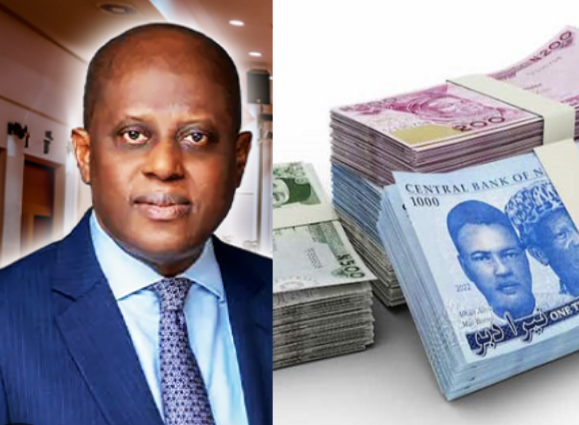
Nigerian economist Bismarck Rewane has publicly stated that the current exchange rate of the naira does not reflect its true value, making a strong case for its undervaluation based on purchasing power parity (PPP) estimates. He believes the naira is undervalued by about 11%, suggesting that its fair value should be approximately N1,256.79 to each dollar.
Rewane shared his insights during the 2026 Economic Outlook event organized by the Association of Corporate Treasurers of Nigeria (ACTN). He noted that currencies often gravitate toward their PPP-implied values within five years. His presentation included a comprehensive analysis of various structural and cyclical factors that impact exchange-rate dynamics in Nigeria, such as inflation, capital flows, productivity trends, and external balances.
In relation to corporate treasurers, Rewane emphasized their critical role in optimizing a company’s liquid resources. He highlighted that treasurers need to manage foreign currency exposure and related activities with a cautious yet optimistic approach. The discussion also featured Adeyinka Ogunnubi, group treasurer of CFAO Nigeria, and Titilola Osinowo, who is the group head of treasury and investments at Ardova Plc.


Osinowo offered practical strategies for enhancing liquidity management, advocating for the exploration of financial instruments like FX swaps and options. She highlighted the importance of structured hedging and aligning cash flows to mitigate foreign exchange risks. Her advice included the concept of natural hedging, where companies match dollar receivables with dollar expenses.
On the topic of treasury management, Ogunnubi asserted that it involves maximizing the value of cash at minimal costs and risks. He emphasized that working capital should always be a priority for companies, as liquidity can shift substantially—from net negative to net positive positions—warranting new allocation decisions. He raised critical questions for treasurers, such as whether to pay suppliers early while managing dividend distributions effectively.
While Rewane’s analysis paints a positive future outlook for the naira, he also acknowledges current challenges. The Nigerian Foreign Exchange Market saw slight fluctuations recently, with the naira slipping against the dollar to trade at N1,422.07, although it gained marginally in the parallel market to N1,487 per dollar.
Moreover, the country’s external reserves have been on the rise, reaching $45.98 billion as of January 21, 2026. This development presents an interesting context for the ongoing discussions about the naira’s valuation and the management strategies that corporate treasurers should adopt in challenging economic climates.
Overall, Rewane’s insights reflect a broader view of the intricacies involved in currency valuation and the responsibilities that corporate treasurers hold in optimizing financial strategies amidst fluctuating exchange rates. By understanding the underlying factors that affect the naira, stakeholders can work towards improving economic conditions while safeguarding their asset valuations.
In summary, while the naira is currently undervalued, strategic discussions among financial leaders could pave the way for future stability and growth in Nigeria’s currency landscape.