Dangote Refinery commits to energy stability amid global refineries shutdown
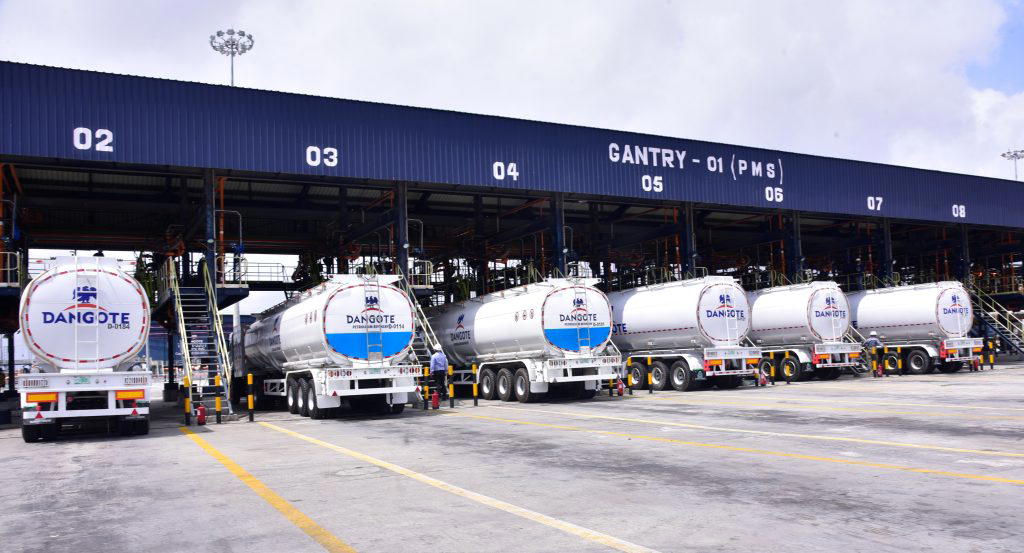
Dangote Refinery Commits to Energy Stability Amid Global Supply Challenges
By Udeme Akpan
LAGOS, Nigeria — Dangote Petroleum Refinery & Petrochemicals has reaffirmed its commitment to stabilizing energy supplies in Nigeria, responding to recent disruptions in the international oil market.


The ongoing conflict in the Middle East has resulted in the closure of several refineries and a reduction in global production, creating a shortage of petroleum products. Compounding the situation, China has imposed a ban on the export of gasoline and diesel, exacerbating supply concerns.
Despite these challenges, Dangote Refinery has emphasized that Nigeria remains somewhat insulated from these supply issues, primarily due to its focus on meeting domestic market demands, a significant advantage of local refining.
The company noted that escalating conflicts have driven global crude oil and freight prices higher. The benchmark Brent crude has surged approximately 26 percent in a short span, exceeding $84 per barrel.
In response, Dangote Refinery has adjusted the ex-depot price of Premium Motor Spirit (PMS) by N100 per litre, reflecting a 12 percent increase. The refinery has also absorbed about 20 percent of the cost increases to mitigate their impact on the domestic market. This adjustment comes as the company continues to procure crude oil at current international rates from both local and foreign suppliers.
“Notably, Nigerian crude oil prices surpass the Brent benchmark by $3 to $6 per barrel,” the company stated. “When considering freight costs of $3.50 per barrel, crude oil is entering our facilities at a cost between $88 and $91 per barrel. For context, this price was around $68 per barrel when the ex-depot price was N774 per litre.”
Additionally, the refinery reported receiving approximately five cargoes of crude oil per month from the Nigerian National Petroleum Company Limited (NNPC), which are paid for in naira. This volume falls significantly short of the 13 cargoes needed monthly to satisfy domestic demand.
The refined product prices are based on international market rates plus a premium. As a result, the refinery has been compelled to purchase foreign exchange at open market rates to cover the costs of crude sourced from both local and international traders.
The situation is further complicated by some upstream producers’ failure to deliver crude oil as mandated by the Petroleum Industry Act (PIA), obliging the refinery to seek a larger proportion of its crude supplies through international traders, who often charge additional premiums.