DNA Testing In Nigeria Report Reveals 1 in 4 Fathers Not Biological Parent –
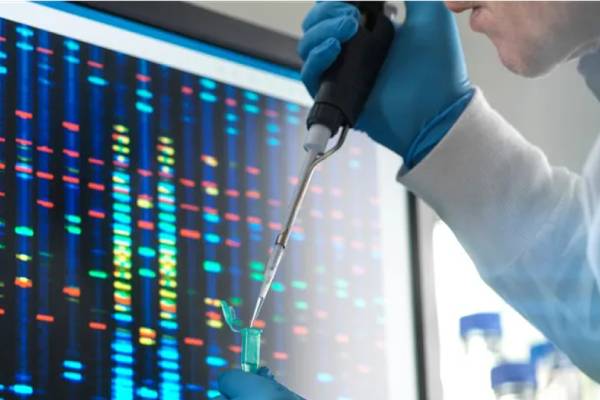
Nigeria’s leading forensic laboratory, Smart DNA, has published its 2025 Annual DNA Testing Report, revealing concerning patterns regarding paternity and family dynamics in the country. The report indicates a 13.1% increase in DNA testing from July 2024 to June 2025, largely driven by immigration-related cases due to the ongoing trend of Nigerians relocating abroad, often referred to as the “Japa wave.”
One of the most alarming findings is that a significant percentage of men tested—25%—were found not to be the biological fathers of the children in question. While this figure is slightly lower than the 27% reported in 2024, it underscores a persistent issue, suggesting that one in four Nigerian men undergoing such tests receive negative results regarding paternity.
The report highlights that firstborn children are particularly affected, with 64% of disputed firstborn sons, and a notable percentage of firstborn daughters, not belonging to their presumed fathers. This trend calls into question the underlying family structures and trust dynamics within urban Nigeria, emphasizing a pressing need for societal reflection.

Moreover, the spike in immigration-related DNA tests, comprising 13.1% of all tests, illustrates the growing urgency among Nigerians to establish documentation or dual citizenship for their children as they seek better opportunities abroad.
Gender dynamics in the testing process are notable; nearly 90% of paternity tests were initiated by men, while women accounted for just 11.8%. This disparity highlights ongoing societal norms regarding paternity suspicion and the responsibilities associated with fatherhood.
Elizabeth Digia, Operations Manager at Smart DNA, referred to the findings as a “wake-up call,” stressing the absence of specific paternity fraud laws in Nigeria. Unlike countries like South Africa, Nigerian men currently have limited legal avenues to address paternity issues after years of financial and emotional investment in children they may not biologically father.
Digia called for urgent reforms, advocating for public health campaigns to normalize discussions about paternity and to incorporate DNA testing into pre-marital and family health programs. The aim would be to provide clarity and support for families while promoting sensitive and thoughtful handling of the information provided through testing.
Overall, the Smart DNA 2025 report indicates a transformative period in the understanding of family dynamics in Nigeria, urging stakeholders to adapt to the evolving landscape of trust, legal frameworks, and public health concerning paternity and familial relationships. The findings serve not only as a reflection of the growing complexities within Nigerian families but also as a call to action for legal and societal change.