E-Transmission: How manual option opens door to manipulation, rigging — Kenneth Okonkwo
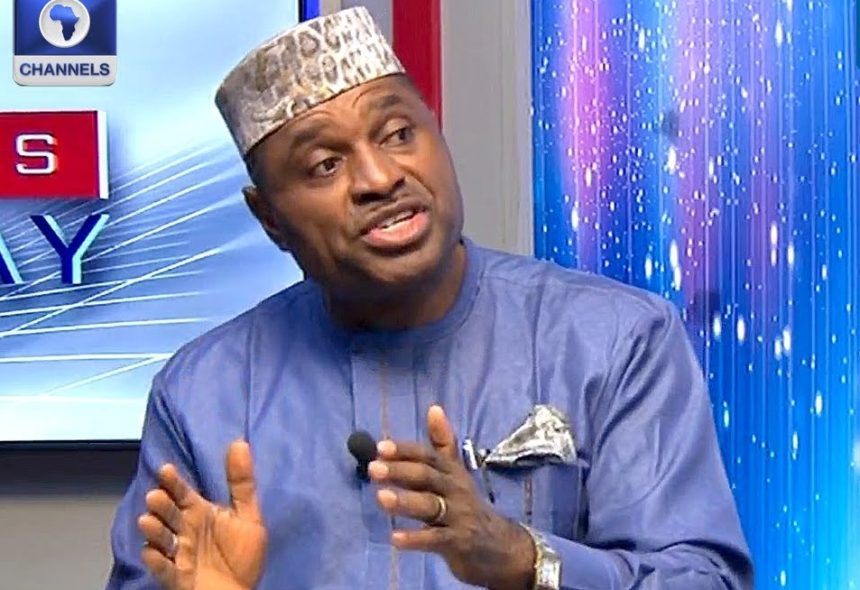
Kenneth Okonkwo Calls for Cancellation of Elections Where Real-Time Transmission Fails
By Nnamdi Ojiego
Kenneth Okonkwo, a lawyer and member of the African Democratic Congress (ADC), has expressed strong opposition to recent legislative changes permitting manual options when electronic transmission of election results fails. He argues that these provisions could undermine public trust and compromise the integrity of the electoral process.

In a recent interview, Okonkwo criticized the emergency Senate session, where lawmakers approved a controversial amendment allowing for manual transmission under certain conditions. He contends that such measures would effectively weaken the safeguards intended to protect electoral integrity. “What we are advocating for is an unconditional electronic upload of polling unit results,” he stated, emphasizing the need to prevent any alterations of votes.
During the interview, Okonkwo described the Senate’s actions as “treachery” and “deceit,” alleging that lawmakers prioritized their interests instead of responding to the public’s call for transparency. He highlighted that the current system has been manipulated between polling units and collation centers, leading to discrepancies in the actual vote counts.
When questioned about the reliability of technology, Okonkwo remained adamant in his support for electronic systems. He noted that the Independent National Electoral Commission (INEC) has effectively utilized technology since the introduction of the INEC Results Viewing (IREV) portal in 2020 and has not reported failures in result uploading.
“Canceling elections when technological devices fail should be the standard, as outlined in Section 47, Subsection 3 of the law,” he said, stressing that the continued reliance on manual processes invites fraud. Despite assertions that technological failures occur, Okonkwo pointed out that BVAS, the electronic device used for voter accreditation, mandates that any failures should lead to the cancellation of that election.
He criticized the notion of adding manual provisions as a compromise, stating, “There is no halfway in this matter. We are not advocating for electronic voting; we aim to ensure the integrity of the manual process through immediate electronic uploads.”
Okonkwo called for cooperation among various political parties, emphasizing that the fight for electoral integrity is a collective responsibility. He claimed that fraudulent elections contribute to the ineffectiveness of leadership in Nigeria, urging citizens to unite for a fair electoral process.
As discussions continue around the differences between the House of Representatives and Senate versions of the amendments, Okonkwo maintains that accountability in elections is essential for the nation’s democratic health. He asserted that all citizens should have the power to determine their leaders through credible elections.
In closing, he remarked on the capabilities of technological advancements in Nigeria, refuting claims of inadequate network infrastructure. “Any assertion that there is no network is misleading,” he stated, underscoring that provisions should be made to ensure successful transmissions during elections.
The discourse remains vibrant as stakeholders assess the implications of legislative changes on Nigeria’s electoral future.