Electoral Act: Hide-and-seek game in Abuja as Reps avoid joint meeting
Committee Meeting on Electoral Act Delayed as Tensions Rise Ahead of 2027 Elections
By Prince Osuagwu, Clifford Ndujihe & Henry Umoru
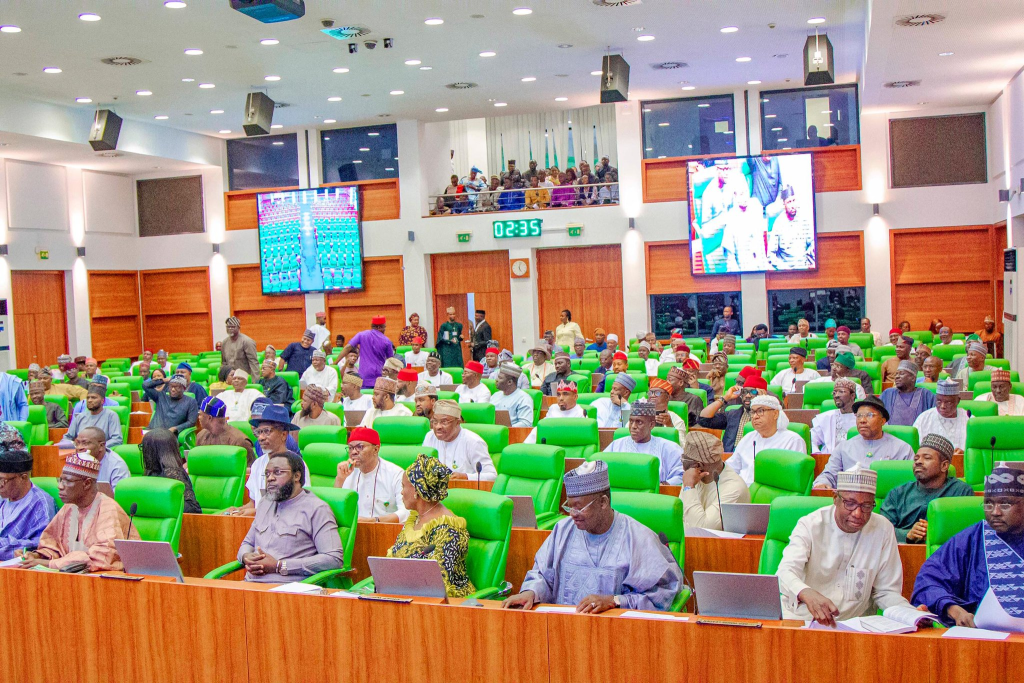
ABUJA — A scheduled meeting of the Conference Committee of the Senate and House of Representatives to discuss the Electoral Act (Repeal and Re-enactment) Bill, 2026, was abruptly postponed late last night after House members failed to attend, hindering substantive discussions ahead of the plenary session today.
This rescheduling comes as the Independent National Electoral Commission (INEC) faces intensified scrutiny regarding its readiness for the electronic transmission of results for the upcoming general elections on February 20, 2027. This issue is particularly sensitive following the controversies that surrounded the 2023 presidential election.
Sources indicated the 11 a.m. meeting could not proceed due to key absences from the House. A member of the committee commented on the situation, saying, “How can there be a conclusion when the meeting failed to hold?”
While some senators arrived on time, no House representatives attended. The chairs of the electoral committees—Senator Simon Lalong from the Senate and Adebayo Balogun from the House—were present. After waiting for some time, the senators relocated to Lalong’s office for a brief discussion and later agreed to reconvene at 3 p.m.
By 3:30 p.m., several senators were in attendance, yet House members remained absent. Eventually, Lalong and Balogun arrived, followed by a closed-door discussion that lasted approximately ten minutes before the meeting adjourned without a consensus.
In light of these developments, a night meeting was convened at the Senate President’s Lodge, aimed at reconciling positions prior to the plenary session. The harmonization committee is tasked with resolving discrepancies across 20 clauses of the bill, notably Clause 60(3), which pertains to the electronic transmission of election results.
As the National Assembly weighs amendments to the Electoral Act, observers question whether INEC can deliver a glitch-free electronic transmission process, as discussions about the issue grow increasingly critical amid political alignments ahead of the election.
Debates concerning electronic result transmission have resurfaced, reflecting Nigeria’s previous challenges in this area. In 2021, concerns about telecom infrastructure readiness were prominent, and the National Assembly even consulted the Nigerian Communications Commission (NCC) regarding the feasibility of such a system. The commission’s findings stated that a significant number of polling units lacked adequate network coverage.
While telecom operators have asserted that the country possesses sufficient infrastructure for electronic transmission, skepticism from legislative members persists due to past shortcomings. Operators like MTN and Airtel argue that misinformation regarding telecom capabilities should not hinder progress in electronic voting.
In response to the ongoing discourse, the NCC has refrained from taking sides but acknowledges that telecom investments could enhance Nigeria’s electoral processes. Recent investments from key operators have improved national connectivity, a goal the government targets to achieve by 2027.
With lingering memories of the glitches from the 2023 elections, in which accreditation failures and delayed result uploads fueled public distrust, analysts emphasize that restoring confidence in the electoral process is vital. Legal clarifications and infrastructure upgrades are among the necessary steps to ensure a smoother electoral experience in 2027.
Experts advocate for advanced training for polling officials, improved technology, and transparent real-time reporting mechanisms to address public concerns. Ultimately, the effectiveness of Nigeria’s electoral technology in the upcoming elections will depend on strategic actions taken well ahead of election day.
For further updates, visit Vanguard News Nigeria.