FG targets stronger gas-to-power linkage to boost electricity supply
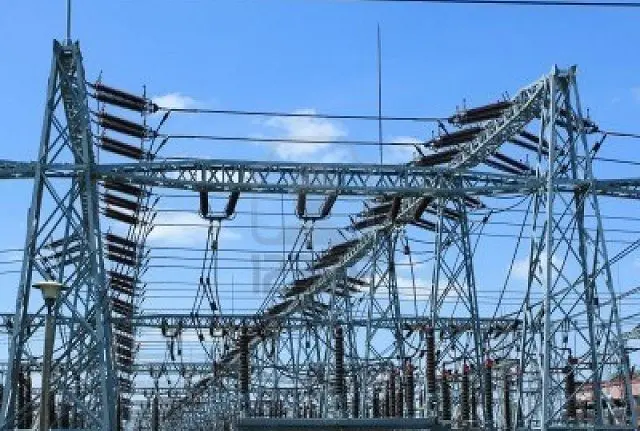
Federal Government Reaffirms Commitment to Gas-to-Power Expansion
By Obas Esiedesa
The Federal Government has reiterated its dedication to enhancing Nigeria’s gas-to-power value chain as part of efforts to increase electricity supply, promote industrial growth, and alleviate energy poverty.

Minister of State for Petroleum Resources (Gas) Ekperikpe Ekpo made this statement during his address at the National Gas Day session of the 9th Nigeria International Energy Summit.
Ekpo noted that natural gas currently represents over 70 percent of Nigeria’s on-grid electricity generation, describing it as the backbone of the country’s power sector and a pivotal driver of economic development.
“With proven natural gas reserves exceeding 210 trillion cubic feet, Nigeria is uniquely equipped to utilize gas not only as a resource but as a catalyst for power delivery, industrialization, and national growth,” he said.
He emphasized that while Nigeria’s gas reserves rank among the largest in the world, the true measure of success depends on the country’s ability to convert these resources into electricity for homes, industries, hospitals, and schools.
The minister indicated that the federal government prioritizes gas as a transitional fuel to ensure reliable electricity supply while also supporting climate commitments. “As a cleaner and more affordable energy source, gas enables us to expand access to electricity, foster industrialization, and effectively combat energy poverty,” Ekpo stated.
He further disclosed that a significant achievement of the current administration was the resolution of longstanding debts owed to gas producers for gas-to-power obligations, following presidential approval and ratification by the National Economic Council.
Ekpo explained that settling these legacy debts has restored confidence in the domestic gas market and is facilitating new investments in gas supply for power generation.
“For decades, unpaid gas-to-power obligations deterred investment and limited supply. Addressing this issue has eliminated a major bottleneck and established a foundation for a more sustainable gas-to-power framework,” he added.