From Jail Cells to Presidential Palaces: 10 Leaders Who Overcame Imprisonment to Become Presidents
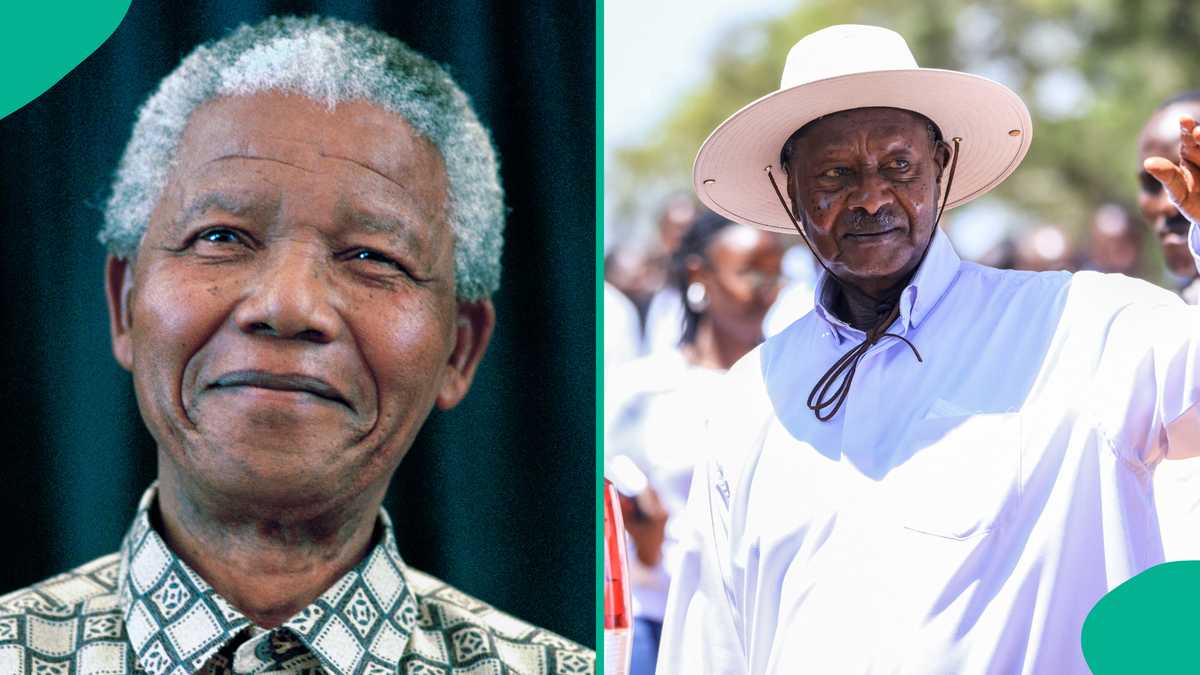
Imprisonment has historically served as a pivotal turning point for numerous influential leaders around the world, often marking the transition from personal struggle to national leadership. This phenomenon is highlighted in the stories of several prominent figures who transformed their experiences behind bars into powerful movements and eventual positions of authority.
1. Nelson Mandela: Imprisoned for 27 years from 1962 to 1990 for his anti-apartheid activism, Mandela emerged as South Africa’s first Black president in 1994. His incarceration turned him into an international symbol of freedom and reconciliation, illustrating how personal sacrifice can drive monumental change.
2. José Mujica: The former guerilla fighter in Uruguay, Mujica was imprisoned from 1972 to 1985 during the military dictatorship. Serving as President from 2010 to 2015, he gained admiration for his humility and progressive policies, demonstrating a commitment to the values he fought for.


3. Lech Wałęsa: As a leader of the Solidarity movement in Poland, Wałęsa was detained in the early 1980s for opposing communist rule. He later became President from 1990 to 1995, significantly contributing to Poland’s democratic transition.
4. Václav Havel: Facing multiple imprisonments under the communist regime, Havel became a prominent dissident and later served as the last president of Czechoslovakia and the first president of the Czech Republic from 1989 to 2003. His leadership was marked by a deep commitment to human rights and democracy.
5. Anwar Ibrahim: Repeatedly imprisoned from 1998 onward due to politically motivated charges, Ibrahim, a leading reformist in Malaysia, became Prime Minister in 2022. His journey underscores the resilience of political figures in the face of adversity.
6. Robert Mugabe: Mugabe spent a decade in prison for his anti-colonial activities against the minority Rhodesian government. He rose to become Prime Minister in 1980 and later President, leading Zimbabwe for many years, though his legacy became controversial over time.
7. Yoweri Museveni: Jail time in the early 1970s for opposing the Amin regime did not deter Museveni, who later led a guerrilla war that brought him to the presidency of Uganda in 1986, emphasizing his role in the country’s political landscape.
8. Félix Houphouët-Boigny: Imprisoned briefly during the French colonial era, Houphouët-Boigny became the first president of the Ivory Coast from 1960 to 1993, guiding the nation through its formative years post-independence.
9. Juan Perón: Detained and exiled in 1945, Perón’s imprisonment enhanced his popularity, leading to his return and subsequent presidency in Argentina starting in 1946. His leadership style and policies remain influential in Latin American politics.
10. Lula da Silva: Brazilian activist Lula faced multiple detentions during military rule in the 1980s. His experiences helped build rapport with the working-class populace, eventually leading to his presidency from 2003 to 2010.
The narratives of these leaders illustrate that imprisonment often amplifies their voices rather than silencing them. The resilience exhibited by these individuals exemplifies how personal sacrifices can lead to significant national progress and leadership, solidifying their places in history as symbols of change and determination.


