How ADC dislodged PDP to emerge the main opposition in Senate

Nine Senators Defect to African Democratic Congress, Reshaping Senate Dynamics
By Henry Umoru, Assistant Politics Editor
Nine members of the Senate, including prominent figures, announced their defection to the African Democratic Congress (ADC) on March 12, dramatically altering the composition of Nigeria’s 10th Senate.
The day commenced like any other legislative session, but the atmosphere shifted when Senate President Godswill Akpabio began reading the letters of defection. This move follows months of political maneuvering and negotiations among various factions.

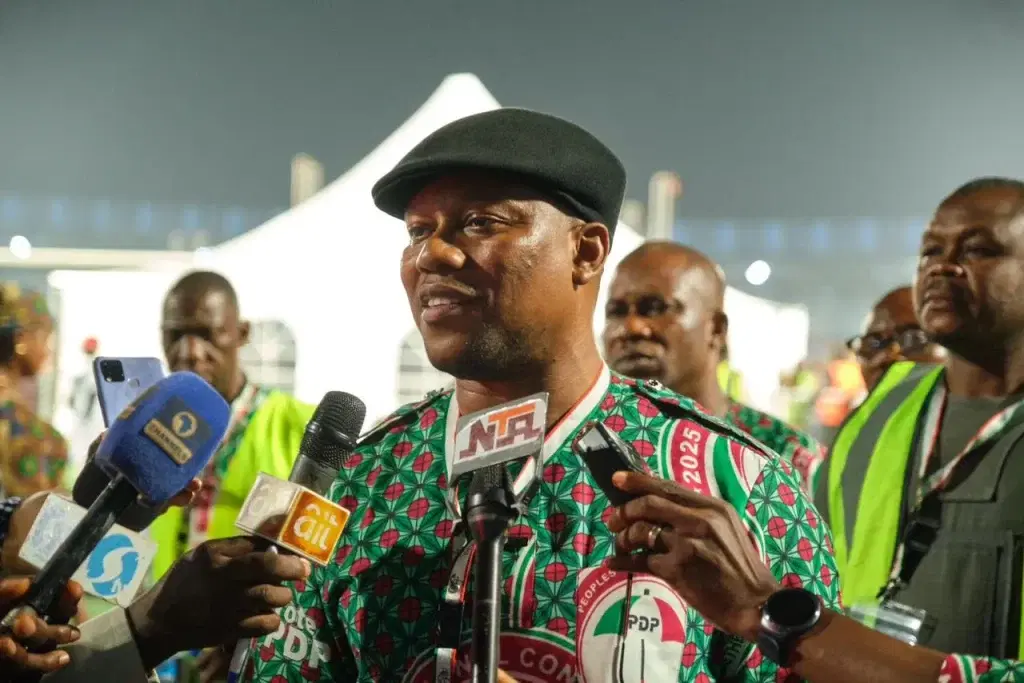

The Senators who switched allegiance to the ADC include Aminu Tambuwal (Sokoto South), Enyinnaya Abaribe (Abia South), Binos Yaroe (Adamawa South), Victor Umeh (Anambra Central), Tony Nwoye (Anambra North), Lawal Usman (Kaduna Central), Ogoshi Onawo (Nasarawa South), Austin Akobundu (Abia Central), and Ireti Kingibe (Federal Capital Territory).
This defection positions the ADC as the leading opposition in the Senate, now boasting nine Senators. The Peoples Democratic Party (PDP) has seen its representation decrease to six. Currently, the All Progressives Congress (APC) holds 87 seats, totaling 106 in the chamber, while the Senate also includes one member each from the All Progressives Grand Alliance (APGA), New Nigeria Peoples Party (NNPP), and the New Nigeria Democratic Congress (NDC). Three seats remain vacant due to the deaths of the respective Senators.
In his defection letter, Tambuwal cited internal conflicts within the PDP as his primary reason for leaving the party. He stated, “The persistent internal crisis, leadership disagreements, litigations, and divisions within the party have made it increasingly difficult for me to continue my active participation and commitment.”
Similarly, Yaroe emphasized his commitment to preserving democracy in Nigeria, underscoring the importance of a multiparty system. He remarked, “The decision to align with the ADC was informed by my resolve to assure the nation and the international community that Nigeria is still a multi-party democracy.”
Kingibe attributed her move from the Labour Party to the challenges within that party, stating that her resignation was necessary due to ongoing internal crises. Other Senators, including Umeh and Nwoye, echoed similar sentiments regarding the divisions and litigations affecting their former parties.
The defections represent a significant shift in Senate power dynamics, raising concerns about the implications for opposition voices in upcoming decisions. The APC now holds a clear majority, while the ADC prepares to take on a more prominent role as the leading opposition party. As the Senate’s landscape evolves, the ADC’s strength may redefine legislative negotiations and influence.
Recent events have diminished the PDP’s standing, which once held a more substantial presence in the Senate. The contrast between the Senate’s current composition and its state during the 2023 inauguration highlights the fluid nature of political alliances in Nigeria.
Looking ahead, the ADC, now buoyed by the defections of influential Senators, is poised to lead the Senate’s opposition efforts. As political shifts continue, all eyes will be on how these changes impact the legislative process and governance in Nigeria.