Lassa Fever: NCDC Raises Alarm As Two Health Workers Die, 15 Others Infected
NCDC Issues Warning Over Rising Lassa Fever Cases Among Health Workers
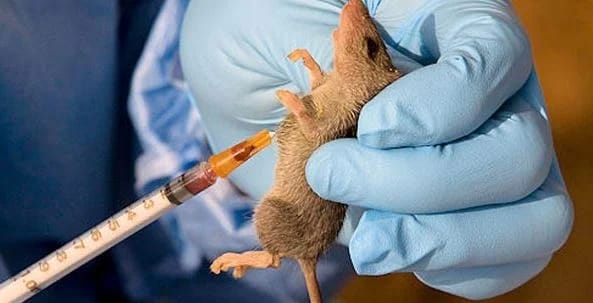
The Nigeria Centre for Disease Control (NCDC) has sounded the alarm regarding the increasing incidence of Lassa fever among healthcare workers across the country. In an advisory issued Monday on its official X account, the agency reported that two health workers have lost their lives to the disease, with an additional 15 confirmed cases documented.
The NCDC conveyed its condolences to the affected medical personnel and emphasized the need for all healthcare workers to maintain a high index of suspicion for Lassa fever and to rigorously implement infection prevention and control (IPC) measures. The agency underscored that adherence to IPC protocols is essential in preventing further transmission of the virus and safeguarding frontline responders.


Recent surveillance data indicate a troubling rise in Lassa fever cases among healthcare workers, with 15 confirmed infections and two fatalities reported by Epidemiological Week 7. Infections have emerged across various states, including high-burden areas such as Ondo, Edo, Bauchi, Taraba, Ebonyi, and Benue, with specific local government areas identified as hotspots for transmission.
The NCDC conducts investigations into each healthcare worker infection to determine the factors contributing to transmission and to implement strategies to prevent further cases. Preliminary findings have uncovered significant gaps in IPC practices and identified missed exposure risks in certain departments.
Key risk factors in healthcare settings include a low index of suspicion for febrile illnesses, inconsistent or improper use of personal protective equipment (PPE), exposure in outpatient departments and general wards, poor hand hygiene practices, and delays in reporting symptoms and seeking care.
To mitigate these risks, the NCDC advises healthcare facilities to enforce essential IPC measures. These include applying standard precautions to all patients at all times, performing proper hand hygiene before and after patient contact, utilizing appropriate PPE based on risk assessments, and ensuring thorough environmental cleaning and waste management.