Naira Slides Despite $46bn FX Reserves as Global Tensions Rattle Nigeria’s Currency

The Nigerian naira has recently experienced a depreciation against the US dollar, despite an increase in external reserves that are nearing $46 billion. This anomaly indicates persistent structural issues within Nigeria’s foreign exchange (FX) market, raising concerns among analysts about the ongoing pressure on the currency.
On the official FX market, the naira dropped by 0.21 percent to close at N1,421.63 per dollar, with intra-day trading reflecting a sharper decline of about 0.72 percent due to high demand for dollars exceeding available liquidity. The parallel market exhibited similar trends, with the naira trading around N1,475 per dollar as importers and businesses sought hard currency outside the official system. The increasing gap between demand and supply is contributing to heightened volatility and uncertainty in the FX market.
Analysts highlight several factors influencing this depreciation, which include thorough FX payments, cautious sentiment among investors, and broader geopolitical and economic concerns. Rising trade tensions, particularly stemming from the US’s protectionist economic policies, are fostering risk aversion, further exacerbating the naira’s weaknesses against hard currencies. Market projections indicate that the naira may continue to face downward pressure in the coming months, especially if there are significant shifts in financial markets leading to sell-offs of naira-denominated assets.
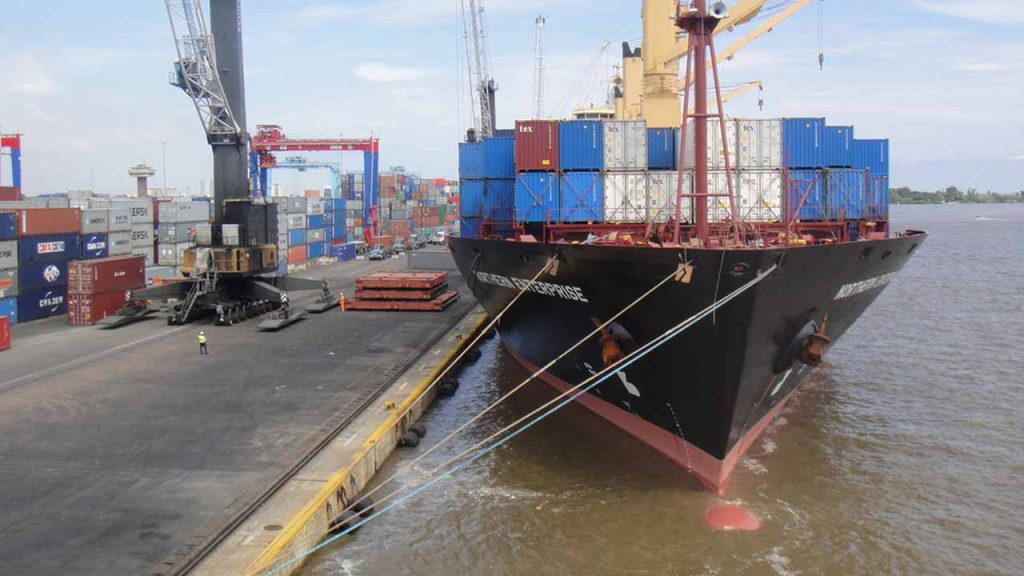


Contrarily, Nigeria’s external reserves experienced a modest increase of 0.20 percent, reaching approximately $45.99 billion, facilitated by consistent oil receipts, stronger non-oil inflows, and a trade surplus. Despite this increase in reserves, financial analysts from Cowry Asset Management caution that these buffers alone may not sufficiently stabilize the naira, given ongoing structural imbalances and intensified demand pressures in the FX market.
In additional context, global markets are witnessing fluctuations in oil prices, sparked by geopolitical uncertainties. Crude oil prices settled recently at their highest in over a week due to new US sanctions on Iranian oil transportation and heightened military tensions in the Middle East. Brent crude is currently valued at around $64.50 per barrel, while US West Texas Intermediate stands at approximately $59.78, showcasing recovery from earlier losses that were tied to easing US-Europe trade tensions. However, Bonny Light crude slipped by 1.21 percent over concerns of potential supply disruptions linked to Iran.
In a broader context, the surge in gold prices reflects a trend as investors gravitate toward safe-haven assets amidst global uncertainty. The weak dollar, ongoing policy uncertainties, and central banks’ consistent accumulation of gold have driven prices closer to the critical $5,000 threshold.
Analysts also remark on the significant influence of geopolitical factors on international capital flows, with recent developments in Venezuela’s oil sector and US policies in Latin America reshaping energy markets. Such shifts have notable implications for crude price benchmarks and currency dynamics worldwide.
In a previous report, the naira achieved its strongest performance in over a decade, appreciating more than 7 percent against the dollar in 2025, which marked a significant improvement following extensive reforms by the Central Bank of Nigeria aimed at restoring market confidence. On the last trading day of 2025, the naira strengthened to N1,435.75 per dollar, reflecting a notable turnaround from prior years of pressure and volatility in the FX market.