Ramadan: Atiku, ADC disagree over INEC timetable for 2027 election
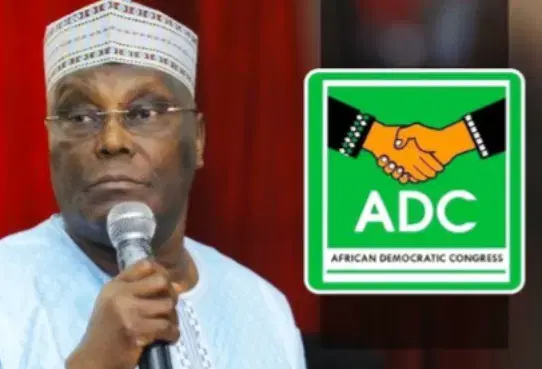
Atiku Abubakar, ADC Split Over INEC’s 2027 Election Timetable
By Bayo Wahab
Former Vice President Atiku Abubakar and the African Democratic Congress (ADC) are at odds regarding the recently announced timetable for the 2027 general elections by the Independent National Electoral Commission (INEC).
On Friday, the ADC issued a statement welcoming INEC’s decision to schedule the presidential and National Assembly elections for February 20, 2027. The statement, signed by National Publicity Secretary Bolaji Abdullahi, described the advance notice as beneficial for political parties and voters alike.
“The early release of the timetable provides political parties, stakeholders, and the electorate with essential clarity for long-term planning and democratic preparation,” the statement read.
However, shortly after the ADC’s announcement, Atiku expressed his dissent. He criticized the election date, arguing that it coincides with Ramadan, a significant period for many Nigerian Muslims.
“The Independent National Electoral Commission must urgently reconsider the February 20, 2027 date it has announced for the general elections,” Atiku stated. He emphasized that the election’s timing during Ramadan, which lasts from February 7 to March 8, 2027, could negatively affect voter participation.
“Elections are not mere administrative rituals; they are national exercises that demand maximum participation, physical endurance, and collective focus,” he continued.
Atiku called the scheduling decision a reflection of poor judgment, raising concerns about INEC’s sensitivity to Nigeria’s diverse socio-religious landscape.
“In a diverse country like Nigeria, inclusive planning is fundamental. The choice of a broadly acceptable date should not be mishandled,” he remarked, questioning INEC’s overall preparedness for the elections.
He concluded by underlining the importance of public confidence in the electoral process, stating that if INEC struggles with issues like timing, citizens may justifiably question its ability to conduct free and fair elections in 2027.