Tinubu’s Quiet Run to 2027: How division, time, disorganisation are weakening opposition
By Luminous Jannamike, Abuja
ABUJA — As Nigeria approaches its 2027 presidential election, uncertainty looms over the viability of the opposition amid reports of internal divisions and a lack of cohesion.
On Thursday afternoon, mechanic Musa Sadiq, 38, reflected on Nigeria’s political landscape while working on a Toyota Camry at his roadside workshop in Lugbe, Abuja. Listening to discussions on a local radio station, he expressed skepticism about the upcoming election. “Election? These politicians haven’t even agreed among themselves yet,” he remarked, highlighting a growing sense of complacency among voters.
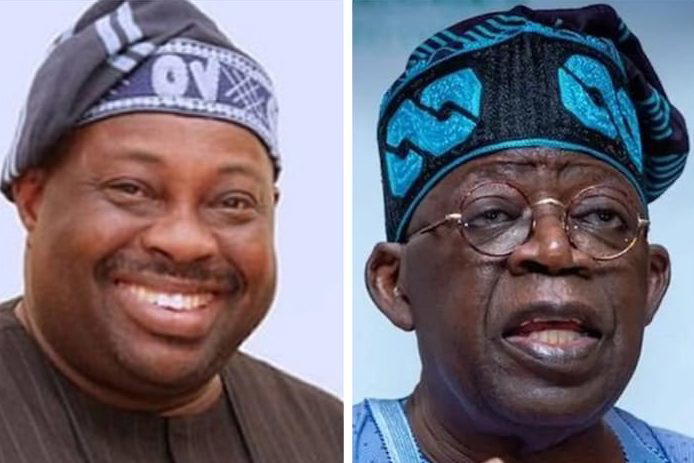
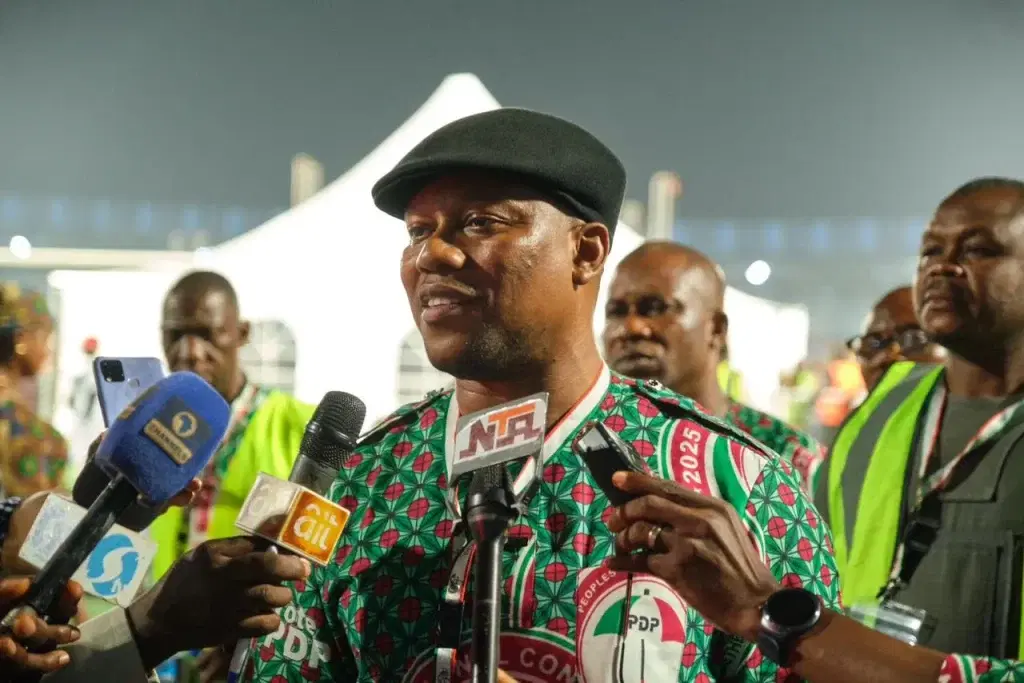
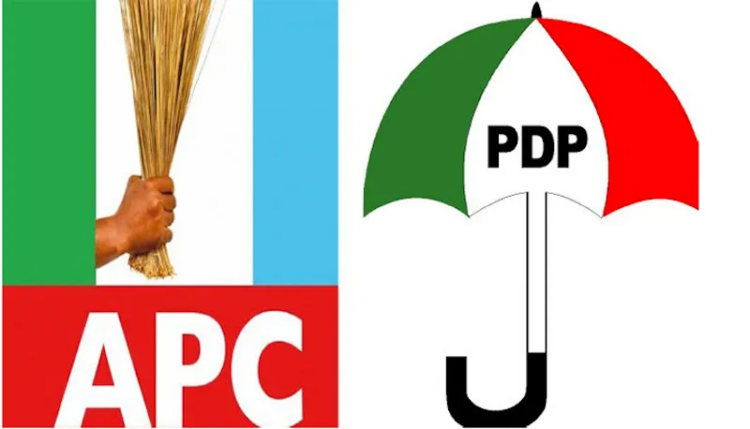
Across the nation, a prevalent question emerges: If the opposition fails to unify soon, will the presidential election become merely a formality?
With fewer than 11 months remaining before the election, President Bola Tinubu and the ruling All Progressives Congress (APC) are positioned advantageously. This advantage extends beyond mere incumbency; the APC recently solidified its control over approximately 30 of Nigeria’s 36 state governorships after a wave of defections. Meanwhile, the Peoples Democratic Party, once the dominant force, has seen its influence decline, and the Labour Party grapples with internal disputes.
In Nigeria, governors play pivotal roles that encompass not just administration but also the control of party operations, funding, and grassroots networks across local government areas. Since the ruling party’s machinery can mobilize significant voter blocks, there are growing concerns about the ability of the opposition to mount a competitive challenge.
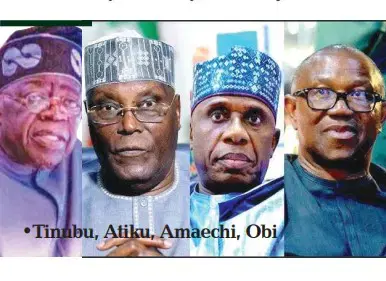
Efforts to create a unified opposition coalition were made last year as several prominent politicians formed the African Democratic Congress in July 2025, aiming to combat perceived one-party dominance. Key figures like former Vice President Atiku Abubakar, Labour Party presidential candidate Peter Obi, and former governors Rotimi Amaechi and David Mark were among the coalition’s leaders. However, despite initial optimism, unity remains fragile as many within the coalition harbor individual presidential ambitions. Informal factions have emerged, complicating the coalition’s attempts to present a cohesive front.
Compounding these challenges is the tight electoral timetable set by the Independent National Electoral Commission, which imposes deadlines for party primaries and candidate nominations in April and May 2026. While established political parties may navigate these timelines effectively, the nascent coalition faces significant uphill battles in organizing itself.
In a recent joint press conference, opposition leaders acknowledged the internal strife undermining their efforts. “Actually, Tinubu is not our problem. The opposition is the problem of the opposition,” said Amaechi. On a similar note, Obi emphasized the necessity for united efforts to restore faith in democracy, while Abubakar underscored the larger implications of democratic stability in Nigeria.
Public sentiment mirrors these concerns. Many express doubt over the coalition’s capacity to present a formidable challenge to Tinubu. For instance, businessman Maduka Ezigbo criticized the coalition’s inability to coordinate effectively during local campaigns, while Chigozie Alex, an ADC member, warned that internal rivalries could jeopardize their ambitions.
As the political clock ticks, signs of strain within the coalition occasionally surface. For instance, Abba Atiku, son of Atiku Abubakar, defected to the ruling party in January, raising further questions about opposition unity. Meanwhile, tensions have flared within local networks, evidenced by recent reports of violence targeting political offices linked to Amaechi’s base.
Back in Lugbe, Musa Sadiq concluded his work and switched off the small radio. The discussions on politics continued elsewhere, but in his workshop, the anticipation was understated. “Let them first agree among themselves. Then we will know if there is really an election,” he said, illustrating the widespread sentiment that until the opposition clarifies its direction, the ruling party may well retain its momentum unchallenged.
For now, the race for the presidency appears to drift further from contention, raising concerns among potential voters about the future of democracy in Nigeria.