United States Confirms Withdrawal From WHO After Criticism of COVID-19 Response
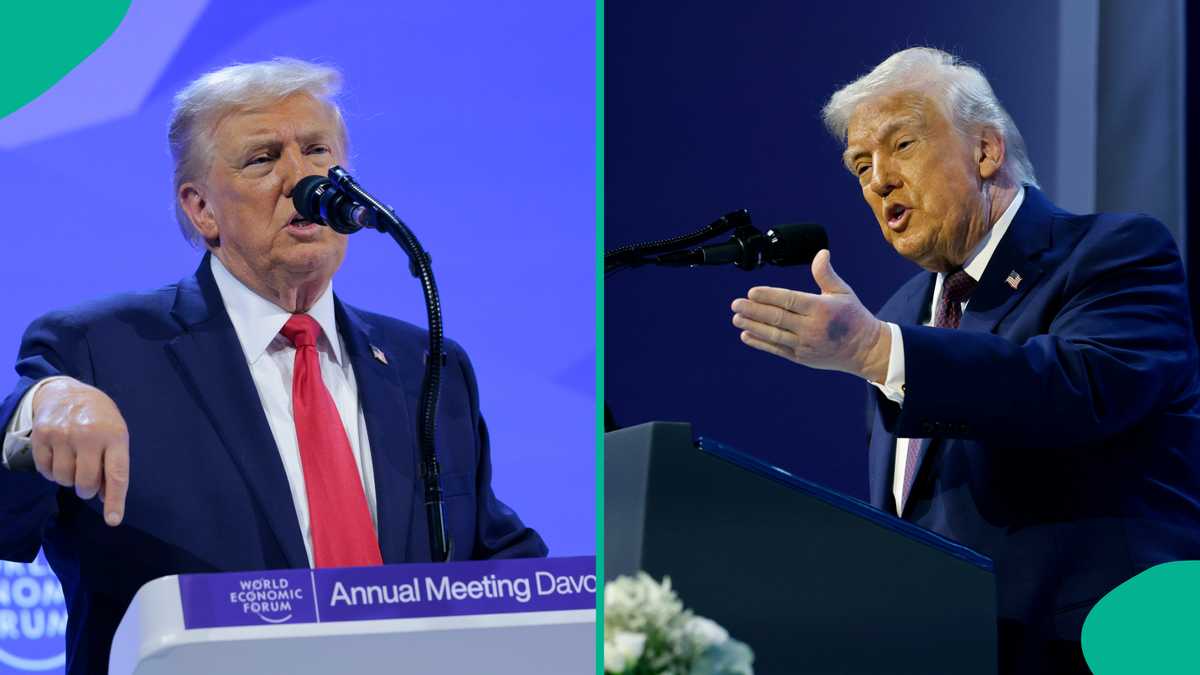
The United States confirmed its withdrawal from the World Health Organization (WHO), a decision attributed to perceived mismanagement by the organization during the COVID-19 pandemic. This move was announced by the White House, fulfilling President Donald Trump’s pledge made through an executive order signed a year prior. The U.S. government criticized the WHO for its failure to implement reforms, demonstrate transparency, and remain politically independent.
The announcement was made in a joint statement by the U.S. Department of Health and Human Services and the U.S. Department of State. They stated that the withdrawal stemmed from concerns over the WHO’s handling of the pandemic, particularly regarding its delayed declaration of a public health emergency, which they believed cost vital time in combating the virus. The U.S. officials noted that the WHO praised China’s initial response to the outbreak, despite evidence indicating misinformation and delays from the Chinese government on the nature of the virus’s transmission.
Throughout the year-long withdrawal process, the U.S. ceased funding to the WHO and withdrew its personnel. Instead of working with the WHO, the U.S. redirected efforts towards bilateral engagements with other nations and organizations, marking a significant shift in its approach to global health. Future interactions with the WHO were limited to finalizing the withdrawal process.


In their statement, U.S. officials emphasized America’s leadership role in global health, asserting that it would continue to prioritize public health, rapid responses to infectious disease outbreaks, and innovation in health services through direct engagements. They outlined commitments to areas like emergency response and biosecurity, aiming to protect U.S. interests while providing support to international partners.
The withdrawal from the WHO is part of a broader trend under Trump’s administration, which has announced exits from multiple international organizations, including the U.N. Framework Convention on Climate Change. This strategy has faced criticism, particularly concerning its implications for global coordination on health and climate issues.
In summary, the U.S. withdrawal from the WHO reflects a significant policy shift driven by dissatisfaction with the organization’s pandemic response, along with broader changes in U.S. international engagement under the Trump administration. The move signals an intention to forge direct partnerships with other countries while emphasizing national priorities in health and biosecurity.


