US to send ICE agents to Winter Olympics, prompting Italian anger
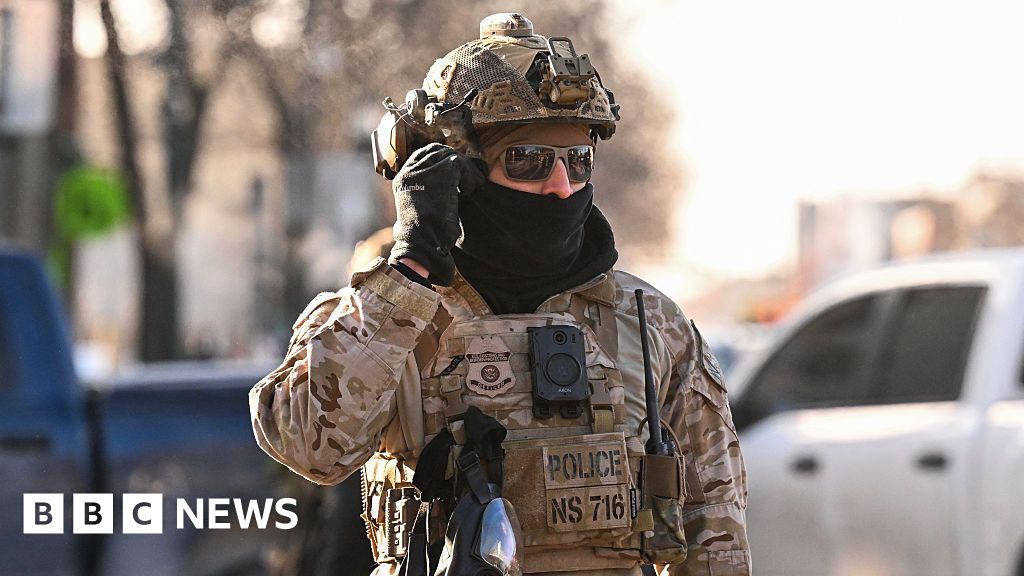
Recent events in Minneapolis, particularly a fatal shooting by Immigration and Customs Enforcement (ICE) agents, have ignited controversy as the US plans to send ICE personnel to assist during the Winter Olympics in Milan, Italy, starting on February 6. The presence of ICE has prompted alarm among Italians, with Milan’s mayor, Beppe Sala, openly criticizing the agency, referring to it as a “militia that kills” and asserting that such forces are unwelcome in the city.
To mitigate public concern, Italian Foreign Minister Antonio Tajani attempted to provide reassurance, stating that the ICE role would not resemble authoritarian forces, likening it to “the [Nazi] SS” and emphasizing that no ICE agents would patrol Italian streets. His comments came amid a Holocaust remembrance event, highlighting the importance of historical context in discussions about security and authority. He assured that only local forces like the police and Carabinieri will be visible during the Olympics.
Italian authorities, including Tajani and Interior Minister Matteo Pantedosi, clarified that US security operations will be conducted in collaboration with Italian law enforcement, with all operations being managed exclusively by Italian authorities. An operations room will be set up at the US consulate in Milan, where various US agencies, including Homeland Security Investigations (part of ICE), will coordinate efforts to address security and counter-terrorism. It has been stressed that ICE’s role is meant to be purely supportive and will not involve immigration enforcement outside the US.


Despite attempts to calm public fears, the controversy intensified in light of the violent incidents involving ICE and other DHS personnel in the US, leading to public protests and criticisms of US law enforcement strategies. Concerns were heightened further when reports emerged of ICE agents threatening journalists in Minneapolis, which underscored the contentious nature of the agency’s actions.
Political responses in Italy have been mixed. While some officials, including the governor of Lombardy, suggested that ICE’s presence is a standard procedure for the protection of prominent US figures attending the Games, other politicians expressed outrage. Critics, particularly from opposition parties, accused the government of failing to stand against what they viewed as overreach and subservience to US policies under former President Donald Trump.
Milan’s mayor, firmly opposed to ICE’s involvement, argued that their methods do not align with Italy’s democratic standards of law enforcement. He articulated that the potential deployment of ICE does not adhere to Italy’s approach to ensuring public safety and security.
The overarching narrative reflects a tension between the necessity of ensuring safety at major international events and the fear of perceived overreach by foreign law enforcement. As the Winter Olympics approach, Italy’s government faces a delicate balancing act of cooperating with US agencies while addressing the concerns and feelings of its citizens regarding national sovereignty and democratic principles.


