Warning signs for 2027
Warning Signs for 2027: Analysis of Recent Elections in Nigeria
By Luminous Jannamike, Abuja
Tear gas wafted through the Kuchako Polling Unit in Kuje during the Federal Capital Territory Area Council elections on Saturday, leaving voters like 34-year-old Blessing Yakubu caught between their desire to participate and the chaos unfolding around them.

Yakubu, a hairdresser who had closed her roadside salon for the day to cast her vote, held her voter’s card tightly in one hand while clutching her phone in the other. As the situation escalated, with armed security personnel moving into the polling area, she hesitated briefly before joining the throng of people fleeing the scene.
When she returned home later that evening, television reports characterized the elections as largely peaceful. However, Yakubu expressed disbelief, saying, “Peaceful for who?”
Throughout the Federal Capital Territory, voters experienced various disruptions, including delays and allegations of electoral inducement, during voting across several councils, including Abaji, AMAC, Bwari, Gwagwalada, Kuje, and Kwali. Concurrent bye-elections in Kano and Rivers states reflected a similarly subdued atmosphere.
Despite the All Progressives Congress (APC) securing five of the six FCT chairmanship seats—losing only Gwagwalada to the Peoples Democratic Party (PDP)—the elections revealed deeper issues. Election monitors and civil society groups have raised alarms, suggesting these complications might serve as early warnings for the 2027 general elections.
A Fatal Incident
In Gwagwa, a community on the outskirts of Abuja, the election’s impact turned tragic. Musa Adamu, an African Democratic Congress (ADC) polling agent, died following an altercation as he attempted to defend his party’s interests. Residents described moments of panic and confusion, marking a stark contrast to the official narrative of a peaceful election.
The incident highlights the risks associated with political competition in Nigeria, raising concerns about public safety in future elections. An eyewitness, opting to remain anonymous, remarked that this election, which should have been straightforward, left the community in dread of what upcoming electoral contests might entail.
Vote-Buying and Arrests
Near Yakubu’s polling unit, operatives from the Economic and Financial Crimes Commission (EFCC) made significant arrests, capturing 20 suspects across the FCT with over N17.2 million reportedly intended for vote buying. In one instance in Kwali, a suspect was found with N13.5 million in a vehicle parked near a polling area.
Various reports indicated that the price for a vote ranged between N5,000 and N10,000, with some transactions occurring openly, frustrating election observers. While the EFCC’s interventions were seen as a step towards accountability, many believe these measures only scratched the surface of widespread electoral malpractice.
Voter Apathy
Perhaps the most significant takeaway from the elections was the lack of voter engagement. Of approximately 1.68 million registered voters in the FCT, only about 239,000 participated, translating to a mere 15 percent turnout. While this figure is an improvement from the 9.4 percent noted in 2022, it still raises alarms among election watchdogs. Similar trends were observed in the bye-elections in Kano and Rivers states.
Civil society organizations, including Yiaga Africa, have attributed this apathy partly to a growing public distrust stemming from modifications to the Electoral Act 2026, which critics argue have weakened safeguards for real-time electoral integrity. For voters like Yakubu, uncertainty looms over the prospect of future elections.
Technical Delays and Security Concerns
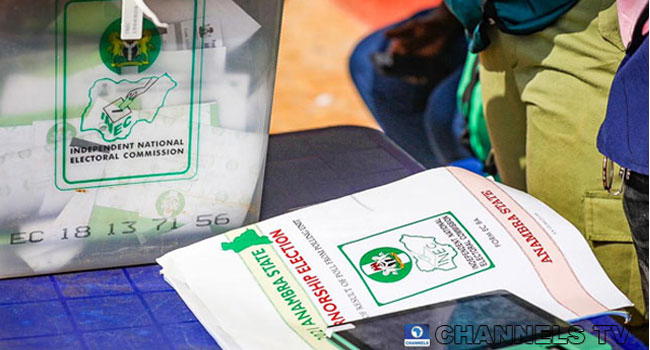
The Independent National Electoral Commission (INEC) maintains that the elections were successful, reporting that 93 to 97 percent of polling unit results were uploaded to its IReV portal by Sunday afternoon. However, independent monitors observed that many results were not uploaded in real-time, particularly in Kuje, where substantial delays raised suspicions.
Issues such as glitches with the Bimodal Voter Accreditation System (BVAS) and misplaced names on voter registers compounded the logistical challenges. Reports of ballot paper theft in Abaji further underscored persistent operational weaknesses.
Critiques from Political Stakeholders
The elections’ integrity has drawn criticism from various stakeholders. Martins Wale Egbeola of the Inter-Party Advisory Council (IPAC) noted significant credibility lapses, attributing these to voter intimidation and corruption. Similarly, ADC spokesman Bolaji Abdullahi pointed to technical disruptions and alleged collaboration between APC agents and security personnel.
PDP officials warned that the local elections might foreshadow the upcoming 2027 general elections if reforms are not prioritized, expressing concern that public confidence in electoral outcomes continues to wane.
Government’s Response
In contrast, government and APC officials dismissed these criticisms. INEC reaffirmed that all polling units opened, citing improved voter turnout compared to 2022. Minister Festus Keyamo characterized opposition claims as exaggerated, and APC National Chairman Prof. Nentawe Yilwatda hailed the election results as a validation of President Bola Tinubu’s reforms.
Looking Ahead
As Yakubu reopened her salon, questions lingered regarding her participation in the next election cycle. “I will think about it,” she said, reflecting the uncertainty many voters now feel.
The events during these elections—marked by arrests, delays, and disruptions—underscore a pressing need for reform in Nigeria’s electoral framework. With the stakes high for the 2027 elections, the path forward will require rebuilding trust among the electorate to ensure robust participation in the democratic process.