Peter Obi: You can change Nigeria in 4 years, I’m committed to one term, can even sign legally binding affidavit
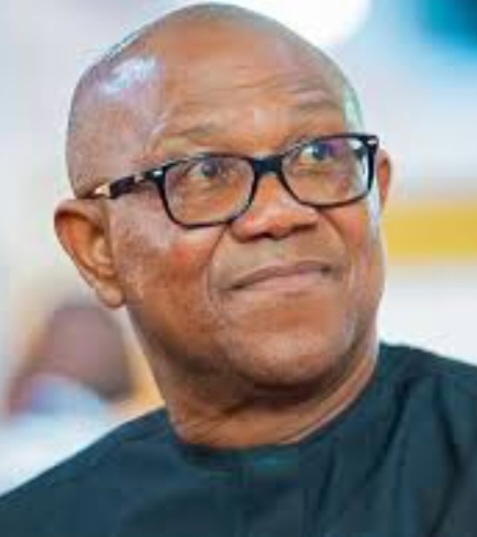
Obi Discusses Vision for Nigeria Amidst Political Challenges
By Onochie Anibeze
In a recent interview at the airport, Peter Obi, a prominent political figure in Nigeria, addressed pressing issues in the country’s political landscape. Despite a flight waiting, Obi engaged in an extensive discussion that spanned over thirty minutes.
When asked about security, a critical concern for many Nigerians, Obi emphasized the government’s primary responsibility: protecting lives and property. He argued that addressing insecurity requires more than military enforcement; it necessitates improved intelligence, enhanced coordination among security agencies, modern technology, and a committed effort to tackle poverty and unemployment—conditions that often breed criminality.
The conversation transitioned to the economy, where Obi acknowledged the need for reforms. He asserted that any reforms must be carefully crafted and compassionately enacted. “Nigeria must shift from consumption to production,” he stated, advocating for investments in agriculture, manufacturing, and small businesses.
Obi responded to critiques regarding the lack of detail in his proposals by reiterating his economic philosophy. He proposed a reduction in governance costs and waste, urging for a business-friendly environment. To underscore his point, he drew a comparison with Bangladesh, noting its agricultural productivity. “Northern Nigeria has the potential to become Africa’s food basket,” he said, calling for investments in modern agriculture and rural infrastructure.
Regarding the upcoming 2027 elections, Obi addressed speculation about his intention to serve only one term. He expressed his commitment to fulfilling that promise, stating, “You can change Nigeria in four years.” He shared that an agreement has been reached on this matter and emphasized the importance of trust in leadership. “It would be a betrayal to renege on such an understanding,” he added.
Obi recognized the attacks and criticisms he faces, asserting that those aiming for meaningful change must expect resistance. “Leadership is not about avoiding criticism. What matters is to remain focused and committed to the people,” he said.
He acknowledged the widespread disillusionment among Nigerians regarding the electoral process but urged active participation. “The 2027 election will be a defining moment. Nigerians must protect their votes and engage in their democracy,” he noted.
Obi also addressed the need for electoral reforms, advocating for adherence to electoral laws and technological enhancements to restore confidence in the voting process.
On the issue of corruption, Obi raised concerns about structural challenges and the need for transparency in governance. “When leadership is not corrupt, the level of corruption within the government decreases significantly,” he explained, highlighting the importance of integrity in public office.
Regarding Nigeria’s rising debt levels, Obi stressed the significance of borrowing for productive investments rather than funding consumption. “Every serious economy borrows, but the purpose of borrowing is crucial,” he stated.
In closing, Obi underscored the importance of education and healthcare, framing them as investments in human capital pivotal for national progress. He urged Nigerians to retain hope in their country’s potential. “Our greatest resource is our people. Getting leadership right is essential for addressing Nigeria’s challenges,” he concluded.
For further updates, visit Vanguard News.