Who recruits ad hoc workers for INEC?
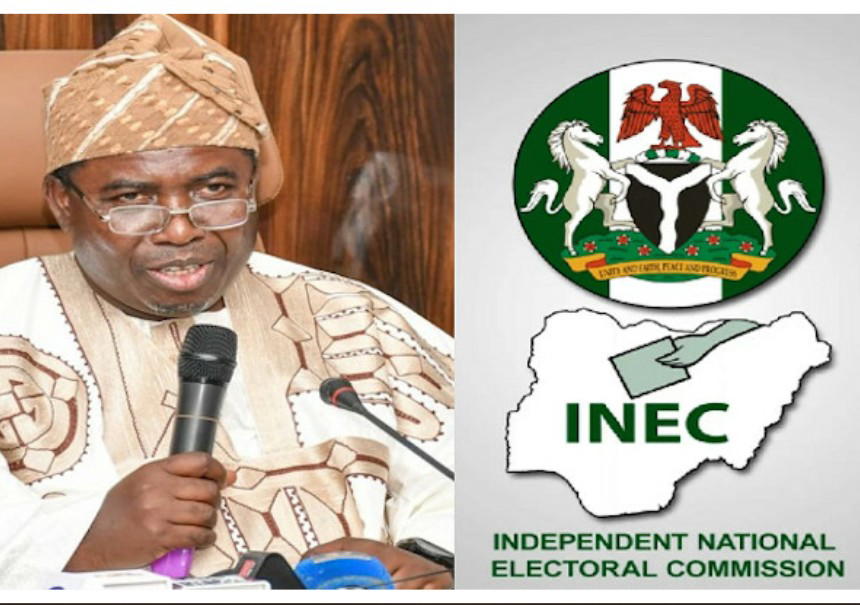
INEC’s Temporary Workers Under Scrutiny Ahead of 2027 Elections
As discussions about Nigeria’s election preparedness intensify, attention is shifting from the leadership of the Independent National Electoral Commission (INEC) to the temporary workers tasked with managing polling units. Mike Igini, a former INEC National Commissioner, has expressed concern that the effectiveness of these ad-hoc staff may ultimately determine the credibility of the upcoming elections.
In a recent television interview, Igini emphasized the importance of ensuring that the individuals conducting the elections are properly vetted. “The people that are going to conduct these elections are not the regular permanent staff of INEC,” he said. “Nigeria needs to focus on the people that are going to conduct this election.”
The temporary workers, including presiding officers, play a crucial role on election day. They are responsible for verifying voter identities, managing election materials, and recording results. Igini warned that any doubts about the integrity or impartiality of these workers could undermine public trust in the electoral process, potentially before results are even announced.
He urged agencies that provide temporary election workers to maintain accurate lists and implement thorough verification processes. Furthermore, he called on INEC to review these lists rather than solely depend on the agencies submitting them. Igini highlighted the risk of political interference influencing these recruitment processes, recalling an incident in Akwa Ibom State where non-affiliated individuals were found on recruitment lists.
“We discovered that mercenaries were sent in on that list,” he stated, describing how questionable names had made their way onto the roster intended for qualified personnel. In one case, a market vendor reported that her name was included without her knowledge.
Igini also raised concerns about the recruitment of members from the National Youth Service Corps (NYSC), a key source of polling unit officials. He urged the corps to maintain the integrity of their submissions and for INEC to verify the individuals assigned to election duties. “The list is infiltrated,” he remarked, cautioning that unverified candidates could be placed in critical roles.
He referenced a claim related to the 2023 elections in Rivers State, where an ad-hoc worker allegedly misrepresented their qualifications. Journalists were unable to verify the individual’s claims with the institution they purported to be affiliated with. While this claim remains unverified, Igini argued it underscores the need for transparency in how election workers are selected and monitored.
The challenges extend beyond ensuring temporary workers complete their training; INEC must also verify that the individuals attending training sessions are the same ones who will fulfill their roles on election day. This necessitates collaboration among various institutions. Agencies supplying personnel must maintain accurate records and safeguard their recruitment processes, while INEC is tasked with scrutinizing submitted names, verifying identities, and supervising activities on election day.
Political parties and their agents also have a responsibility to oversee recruitment and raise any concerns through appropriate channels. Igini noted that senior INEC officials would not be present at every polling station, making the quality of supervision by temporary staff vitally important.
In addition, party agents and voters can play a significant role in monitoring activities at polling units. Igini encouraged agents to document the process meticulously, including capturing images or videos of the original results forms after votes are counted.
He asserted that the influence of voters at polling stations can be substantial, as they often outnumber election officials. Therefore, he argued that accountability must extend beyond recruitment; the public must be assured that those managing the electoral process are suitably qualified and trained.
As Nigeria prepares for the 2027 elections, several critical questions remain. Which organizations will provide the temporary staff? What verification processes will be employed to ensure their integrity? How will INEC mitigate political interference in recruitment? And what steps will be taken if irregularities arise?
Igini cautioned that the credibility of an election can be compromised by decisions made long before ballots are cast. If the integrity of individuals overseeing the voting process is questioned, public trust in the electoral system may wane, leading to disillusionment with the outcomes. “The most important staff that Nigeria should focus on will be the presiding officers,” he advised.