Deadly Egypt train collision prompts calls for political accountability | Transport News
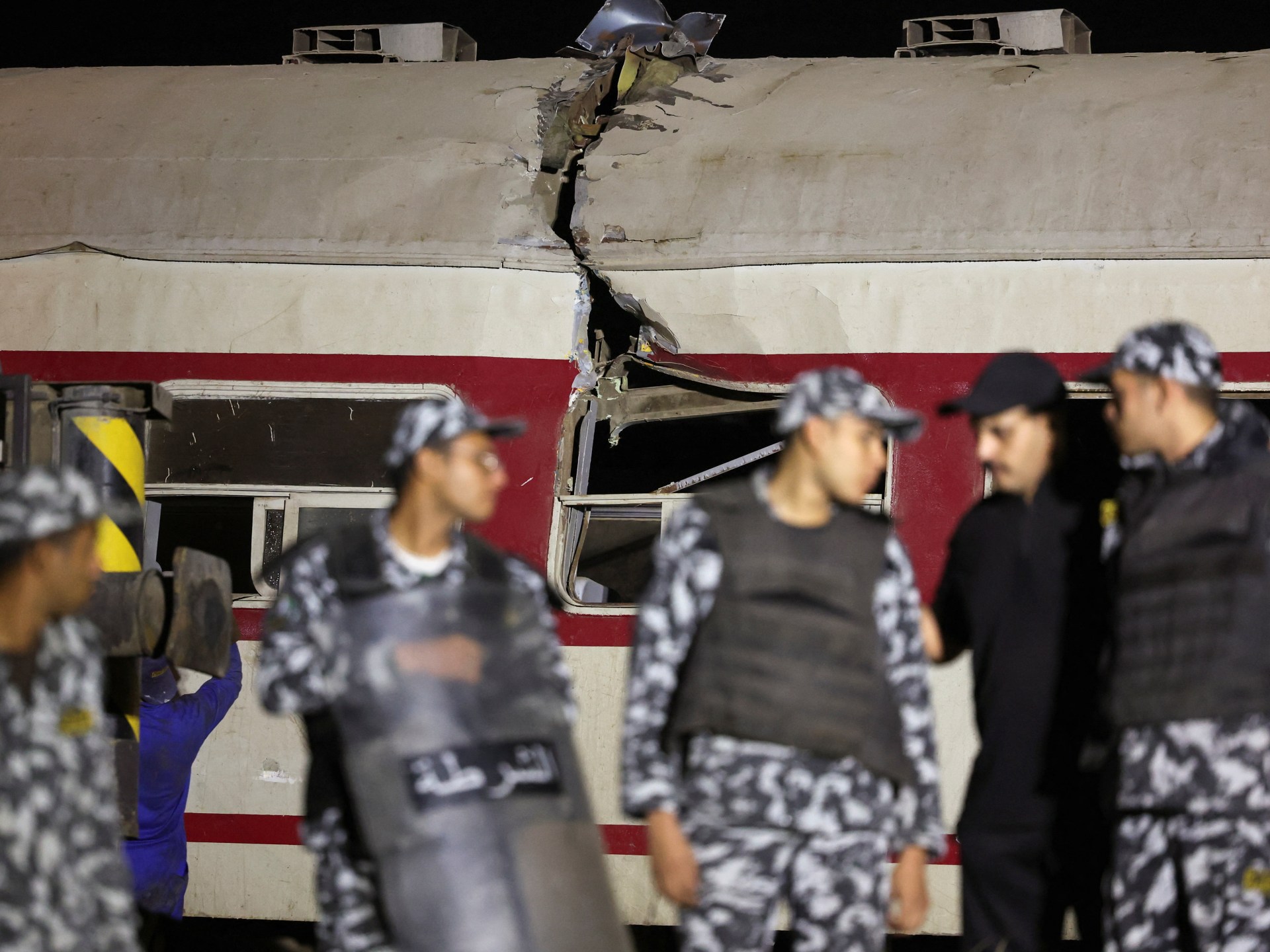
Train Collision Near Cairo Claims Seven Lives, Sparks Calls for Accountability
A train collision in the al-Ayyat district, located on the outskirts of Cairo, Egypt, resulted in the deaths of at least seven people and injured more than 125, according to the country’s Ministry of Health and Population. The incident, which has prompted urgent calls for accountability from both parliament and the public, raises significant concerns about the efficacy of recent investments in upgrading the country’s railway infrastructure.
The collision occurred on Sunday when a train traveling from Giza to Fayoum struck the rear of another train en route from Cairo to Aswan, causing the latter to derail into a nearby road. In response to the tragedy, President Abdel Fattah el-Sisi has ordered an immediate investigation to determine any negligence on the part of responsible officials.


The Egyptian Parliament’s Transport and Communications Committee convened an emergency session on Tuesday, summoning Transport Minister Kamel el-Wazir to provide details regarding the crash. Amid rising demands for accountability, some opposition members have called for the minister’s resignation, as well as the dismissal of the entire government.
Abdel Moneim Imam, a parliamentary representative and head of the Justice Party, characterized the situation as urgent, referencing several past train disasters in al-Ayyat, including a train fire in 2002 that killed over 370 people and a 2009 collision that resulted in the deaths of 15. He emphasized a lack of genuine accountability for officials responsible for these incidents.
“The recurrence of such accidents, despite promises of an improved railway system, highlights a failure of oversight,” Imam said. He further called for questioning ministers in Parliament regarding their responses to this latest incident.
Legislative Inquiry
The parliamentary transport committee, during its meeting with Minister el-Wazir, aimed to discuss the causes of Sunday’s crash and measures to avoid future incidents. Secretary Ahmed el-Derby stated that the purpose of the meeting was not to confront el-Wazir with accusations but to understand the circumstances surrounding the accident.
El-Derby indicated that accountability lies with officials in charge of the railway system, noting, “Individuals in leadership roles must take responsibility for the occurrences during their tenure, even if they are not directly responsible for the mistakes.”
While he acknowledged the need for accountability, el-Derby opposed immediate calls for officials to be dismissed, arguing that such actions would not adequately address the underlying issues.
Wider Issues
Atef el-Maghawry, head of the Tagammu Party’s parliamentary bloc, echoed concerns regarding systemic failures that extend beyond the Ministry of Transport. “The recurrent railway accidents in al-Ayyat suggest a broader crisis related to government policies rather than isolated failings within the transport sector,” he said.
El-Maghawry cautioned that merely changing the transport minister would not suffice, insisting that deeper structural reforms are necessary.
Financial Accountability
Parliamentarians are increasingly focused on the financial aspects of railway investments. Irene Saeed, leader of the Reform and Development Party’s parliamentary faction, is advocating for a clear accounting of how funds allocated by the Transport Ministry have been utilized, specifically in safety measures, signaling systems, and maintenance.
The Ministry of Transport has reported that approximately $37 billion has been dedicated to transport investments from 2014 to 2024.
Experts, including Hassan Mahdy, a highway engineering professor at Ain Shams University, have cautioned against premature conclusions regarding the causes of the crash. Mahdy emphasized the importance of completing investigations before attributing blame, noting that recent upgrades to the railway system could influence the findings.
El-Derby mentioned that railway signals had reportedly instructed a stop prior to the collision, but it remains uncertain whether the warning was received in time for the driver to act.
“Investigations will clarify if the cause of the incident is related to human error or a technical malfunction,” he said. As inquiries continue, the focus remains on understanding the root causes and finding a way to enhance railway safety in Egypt.


