Video: Noise, mob can’t determine who leads Nigeria – Segalink

Segalink Urges Focus on Candidate Qualities Ahead of 2027 Elections
By Enitan Abdultawab
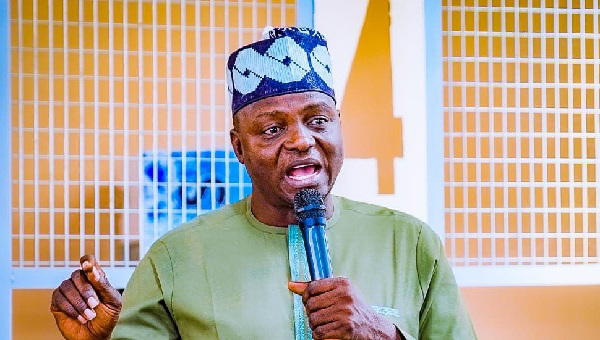
Human rights activist Segun Awosanya, commonly known as Segalink, has asserted that public outcry, mob pressure, and ethnic biases should not dictate the selection of Nigeria’s next president.
In an interview with Vanguard’s Politics Hub, Awosanya highlighted the importance of evaluating the quality of political candidates as Nigeria approaches the 2027 general elections. He expressed concern that many qualified politicians are often overlooked in political discussions despite their leadership experience and capabilities.
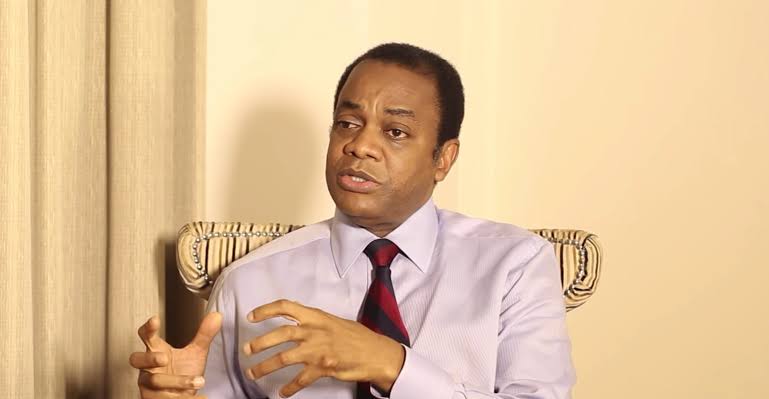
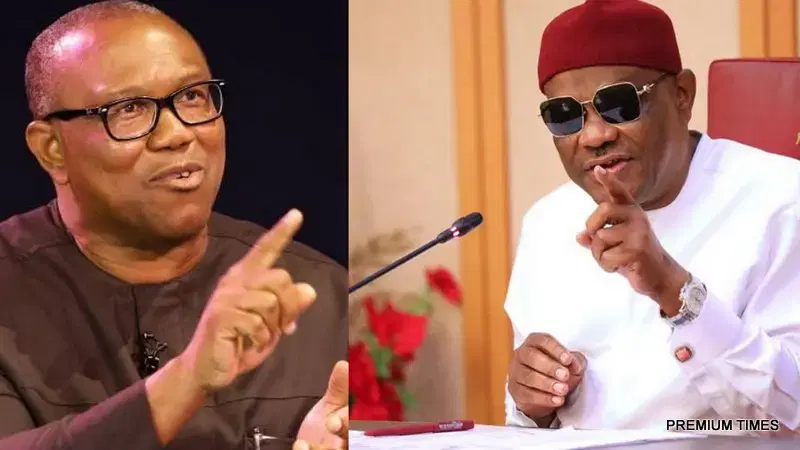
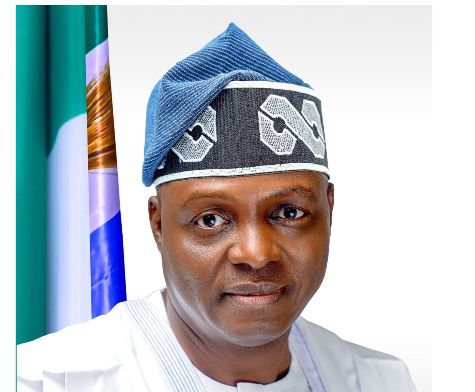
He specifically referenced several potential candidates—including former Minister of Education Adewole Adebayo, activist Omoyele Sowore, former Governor of Cross River State Donald Duke, and Oyo State Governor Seyi Makinde—stressing that these individuals bring significant qualifications to the table. “There are other people that we have totally relegated, quality candidates like Adewole of the SDP, Sowore, Donald Duke, and Makinde. These are quality candidates who certain politicians cannot even measure up to,” he said.
Awosanya emphasized that political discourse should center on what candidates plan to accomplish for the country, rather than their popularity or follower counts. He warned against allowing ethnic agendas and mob mentalities to influence the nation’s leadership decisions.
“Let us not look at the noise, the mob, or the crowd, or allow aggressive supporters to dictate who becomes the leader of this country,” he stated.
Additionally, Awosanya criticized the trend of using insults and denigration as campaign strategies, arguing that such tactics detract from meaningful political engagement. “I’ve never seen in any country where people insult their way to power,” he noted.
He urged for a more honest and reflective dialogue regarding Nigeria’s political options, advocating for a willingness to confront uncomfortable truths rather than accepting behaviors that weaken constructive political discourse.