‘I pay $500 for 5 square metres’: Spain’s protesters, in their own words | Protests News
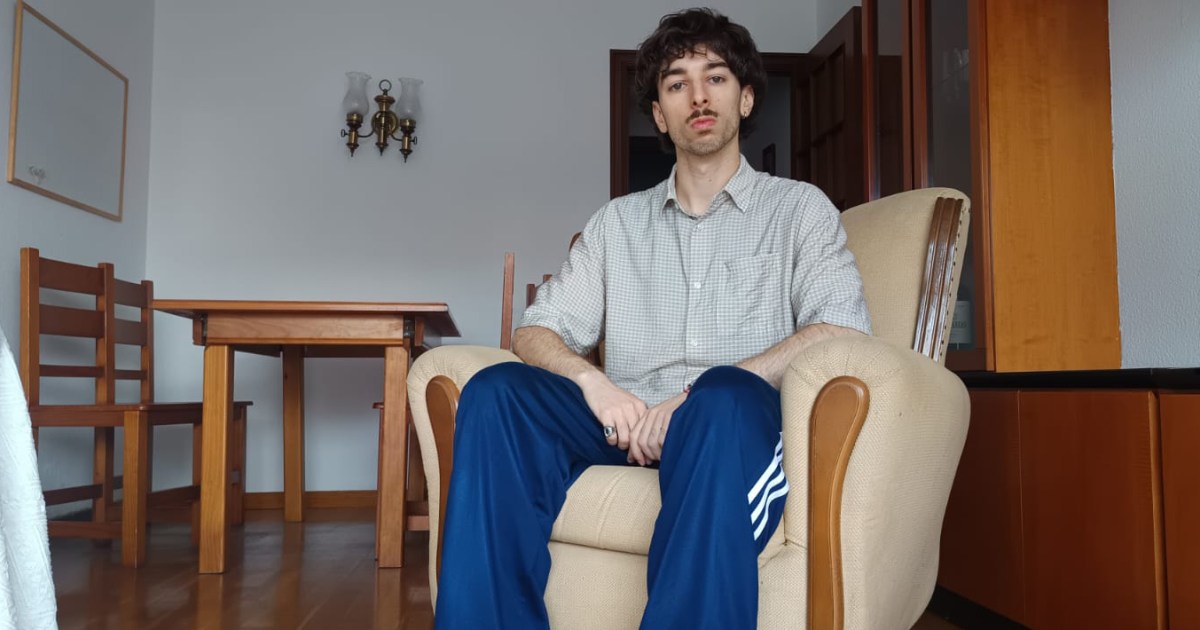
Tens of thousands of young people across Spain have participated in widespread protests in recent weeks, fueled by the nation’s ongoing housing crisis. On Wednesday, many joined a nationwide strike organized by the country’s largest labor unions under the slogan “Salarios, vivienda y precios,” which translates to “wages, housing, and prices.”
The protests intensified last month following the eviction of 87-year-old Maricarmen Abascal from her Madrid apartment, where she had lived for nearly seven decades. Her corporate landlord increased rent to an unaffordable level. Following a public outcry, Abascal fell ill and passed away in a hospital on the same day the property owners agreed to allow her to return home.
In response to the growing crisis, the Spanish government introduced two emergency decrees aimed at protecting vulnerable renters. However, these measures were rejected by right-wing parties in parliament.


Spain’s left-wing coalition government has called a snap election for November 29 in an effort to leverage public anger over the housing crisis to bolster support, as polls indicate Social Prime Minister Pedro Sanchez is trailing behind the conservative People’s Party and the far-right Vox party.
The Bank of Spain has reported a critical housing shortage of approximately 750,000 homes, a figure that could rise to 1 million by the end of next year.
Protesters have voiced their concerns about the rising cost of housing and its impact on young people.
Haris Javaid Sharif, 24, a data analyst in Barcelona, described his living situation: “I still live with my parents as housing is so expensive.” Sharif shares a 44-square-meter flat with his family and pays half of the $745 rent. “After the pandemic, we were evicted from our flat because we owed five months’ rent. I thought it only happens to vulnerable people, but it can happen to anyone. I am joining the strike to press these politicians,” he said.
Bea Garcia de la Torre, 32, who works in a foundation in Madrid, expressed her concerns about her living conditions. She and her brother share a 70-square-meter flat, paying $1,229 in rent. “The landlord is trying to make us pay for central heating, which should be covered by the community. We are worried he might increase the rent or evict us,” she stated, emphasizing her support for the strike as a means to influence housing policy.
Iratxe Gonzalez, a 27-year-old social worker in Madrid, highlighted the insecurity she feels in her rental situation. “I’m paying $400 in rent for a very small flat with a one-year contract. The landlord could increase the rent or force us out at any time. This is a pressing issue for every young person in Spain,” she said.
Ignacio Redrado, a 32-year-old teacher, noted that the average age for moving out of the family home in Spain is now 30. “We have called a general strike because we cannot take any more. We must act. We want indefinite rental contracts and more social housing,” he said.
Arturo Leon, 24, who works with an NGO in Barcelona, also shared his struggles. He lives in a small flat with four others and faces the possibility of increased rent despite lacking a formal lease. “My bedroom measures only two meters by 2.6 meters. The landlord refuses to address numerous issues in the apartment, yet still threatens to raise the rent,” he explained.
The protests reflect a broader anxiety among young Spaniards grappling with the combined challenges of high rental prices, job insecurity, and lack of adequate housing.