Atiku wanted me as running mate in 2023 – Makinde
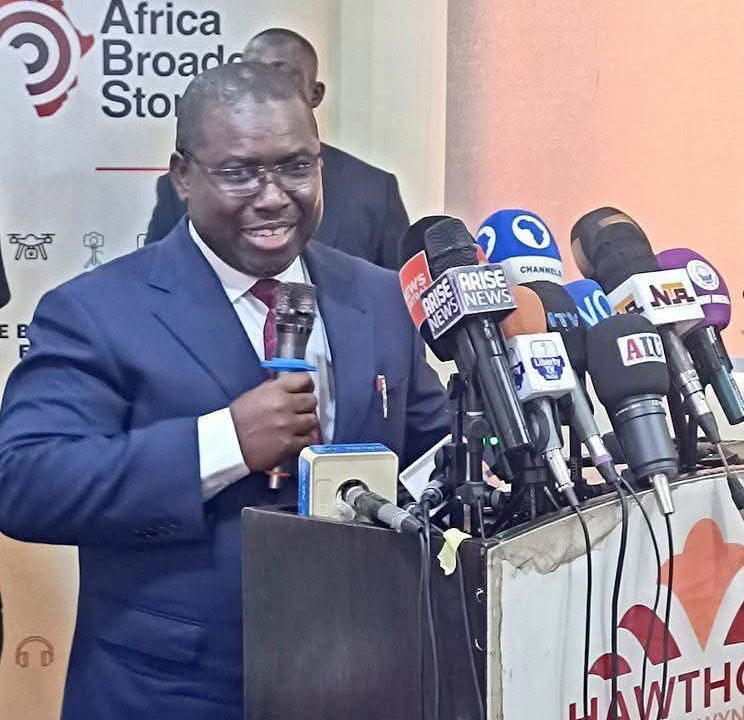
Oyo State Governor Seyi Makinde disclosed during an interview with ARISE News that former Vice President Atiku Abubakar had sought his candidacy as a running mate in the 2023 presidential election. However, Makinde declined the offer, citing his limited experience in public service at that time.
“I had only spent three years as governor of Oyo State and three years in public service,” Makinde explained. “I felt it was not enough to make such a decision, so I told them to look for someone else.”
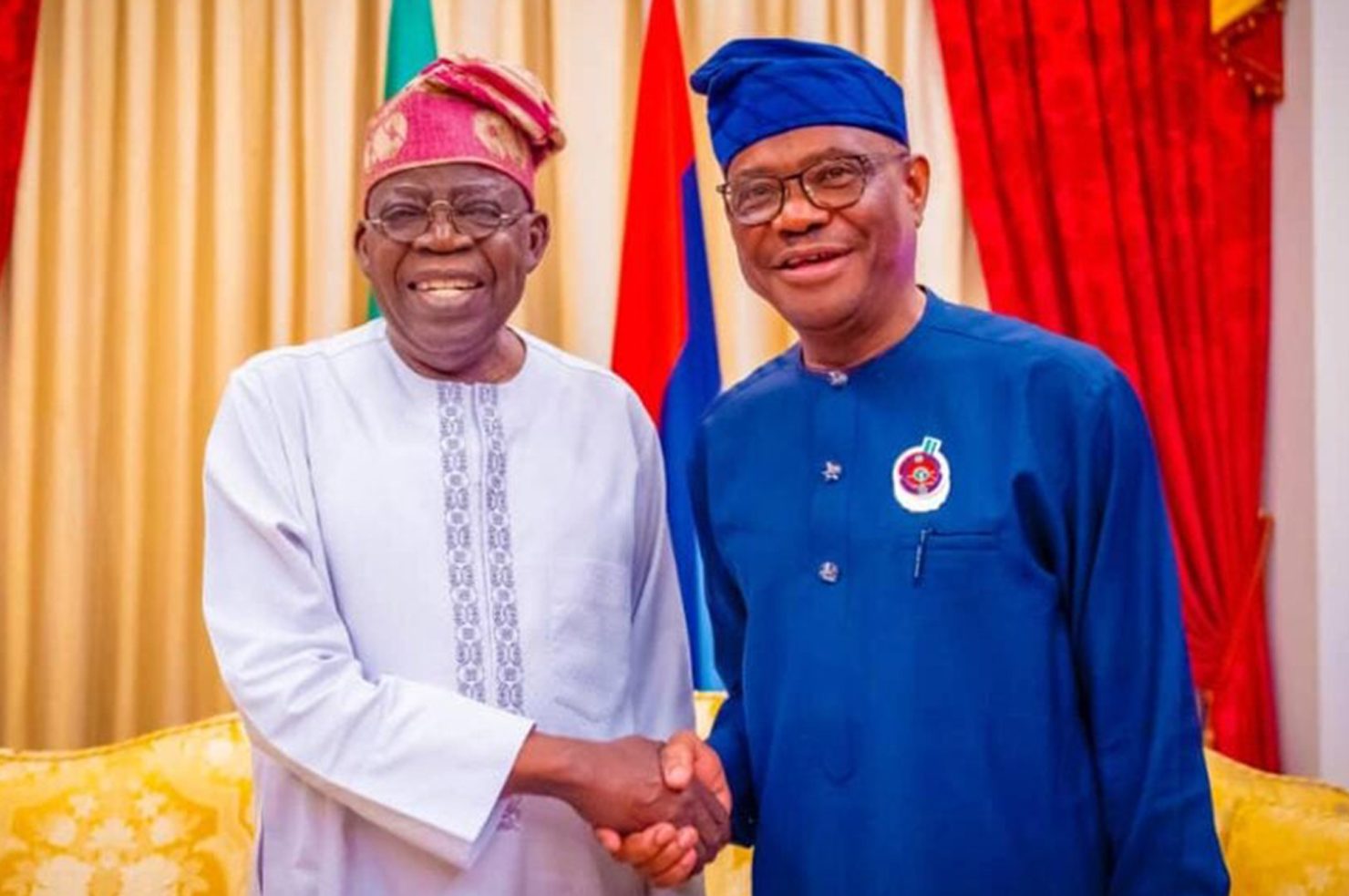
The governor also discussed his position within the G5 governors, a group that opposed Atiku’s presidential bid. He noted he was the only member of the group to have left the Peoples Democratic Party (PDP). Makinde defended his faction’s decision to expel former Rivers State Governor Nyesom Wike, stating it was necessary following Wike’s intention to hold the PDP accountable to President Bola Tinubu.


“This decision was aimed at allowing the party to participate in the election, even if it meant going to the polls with a weakened structure,” he said.
Makinde expressed concerns about the current state of Nigeria’s democracy, questioning the need for political parties to deal with candidate disqualifications less than 80 days before a national election. “What kind of democracy is that?” he queried.
In response to criticisms from the Oyo State chapter of the All Progressives Congress (APC) alleging that he had neglected governance to focus on his political campaign, Makinde defended his actions outside the state. He argued that, similar to the President’s national engagements, governors should also be free to communicate with the public.
“Governance in Oyo State has continued despite my political activities,” he said, highlighting that he had recently presented the 2027 budget estimates to the State House of Assembly.
Regarding his preferred successor, Bimbo Adekanbi, Makinde dismissed notions of political patronage, explaining that Adekanbi’s candidacy emerged through a consensus process. He emphasized the importance of allowing his successor to forge an independent political identity.
“I have told him severally, ‘Bimbo, don’t inherit my enemies or opponents. Chart your own path,’” Makinde stated, expressing his commitment to good governance.
The governor dismissed the label of political godfather, noting his private sector background. “This is my first public service job, and I am enjoying my life as a private person,” he said, describing himself as a shy and private individual.
On security, Makinde identified decentralized decision-making and the establishment of state police as crucial elements of his proposed agenda. He argued for a tailored approach to security, allowing states to address their unique challenges rather than relying on a uniform policy.
He emphasized the need for caution in implementing state policing, citing concerns about potential misuse for oppression at the grassroots level. Makinde referenced the recent kidnapping incidents in Oyo State and Borno State to illustrate the necessity for varied security strategies.
Oyo State had successfully negotiated the release of its abducted students and teachers, although the situation resulted in casualties. Responding to his earlier call for a United Nations investigation into these kidnappings, Makinde asserted that the unusual circumstances warranted such scrutiny.
His administration has set up a judicial panel of inquiry, which has submitted its report, and a white paper detailing its findings is expected to be released within the week.