MSF Warns Diphtheria Drug Shortages, Low Immunisation Fuel Outbreak In Northern Nigeria

Médecins Sans Frontières (MSF) has raised alarms about critical shortages of diphtheria antitoxin (DAT) in northern Nigeria, a situation compounded by low immunization rates. The organization warns that these factors are exacerbating the ongoing diphtheria outbreak, which has already put thousands of children at risk of severe illness and death.
To mitigate the crisis, MSF is calling on federal and state authorities, donors, and international partners to urgently secure and expedite the distribution of diphtheria antitoxin, vaccines, and other essential medicines to affected regions.
“The global shortage of diphtheria antitoxin is becoming a matter of life and death,” said Dr. David Kizito, MSF Medical Coordinator in Nigeria. “Our stocks are dangerously low, and we risk being unable to treat children and save lives as the outbreak continues.”
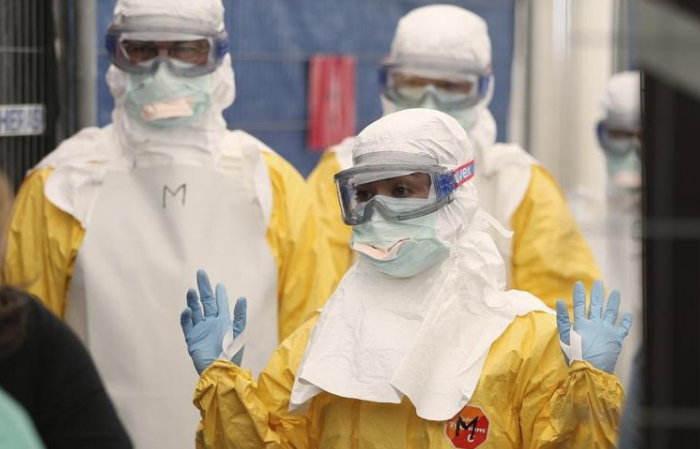


Diphtheria, although preventable through vaccination, continues to pose a significant threat, with many children arriving at health facilities experiencing life-threatening complications due to incomplete vaccinations or delayed access to care. DAT is the only treatment that neutralizes the toxin produced by the disease, and is included in the World Health Organization’s Model List of Essential Medicines. However, global supply remains inconsistent, and MSF teams often encounter insufficient stocks, hindering patient care.
Since late 2022, Nigeria has grappled with a major diphtheria outbreak, recording over 41,000 suspected cases, more than 24,000 confirmed infections, and over 1,260 deaths nationwide. Northern states, including Bauchi, Borno, and Kaduna, have been particularly affected, with a notable spike in cases reported in 2023 alone. By August 9, this year, the country had documented 12,977 suspected cases, 10,476 confirmed infections, and 406 deaths.
MSF has been actively supporting state health authorities by providing treatment, infection prevention, surveillance, community engagement, and vaccination support. In states such as Kano, Sokoto, and Zamfara, MSF teams have treated diphtheria patients and provided necessary medical supplies. So far in 2023, MSF has treated over 9,000 diphtheria patients and conducted a vaccination campaign in Kano State that administered more than 835,000 vaccine doses.
After an outbreak declaration in Zamfara State in September, MSF facilities in Gusau reported more than 671 admissions in a month, predominantly among children, with a significant number unvaccinated. In Sokoto, MSF supported two rounds of vaccinations earlier in the year, reaching nearly 50,000 children under 15.
Routine vaccination is crucial to preventing diphtheria, yet coverage in northern Nigeria remains low. In Zamfara State, only a fraction of the required vaccine doses has been supplied, leaving many children without protection. MSF is collaborating with government health authorities to secure additional doses and implement an extensive vaccination campaign.
Shafa’atu, a mother whose children received treatment at an MSF-supported hospital in Sokoto, expressed concern over the disease’s threat. “My child struggled to eat, and whenever he ate, he vomited. Diphtheria is a dangerous disease,” she said.
Long-term investments in routine immunization are essential to building community immunity and preventing future outbreaks. Simultaneously, MSF calls on manufacturers and global health partners to increase production of diphtheria antitoxin to ensure a reliable supply for Nigeria and other countries facing rising case numbers.


