2027: Why Tinubu may still win presidential election

By Omeiza Ajayi
ABUJA – President Bola Tinubu will face off against multiple challengers in the upcoming presidential election scheduled for January 16, 2027. Supported by 31 governors from the All Progressives Congress (APC) and three from opposition parties, Tinubu enters the race amid a series of off-season electoral victories and a divided opposition.
Although he has gained significant political backing, Tinubu’s presidency is marred by ongoing economic challenges, with many citizens experiencing declines in living standards attributed to his administration’s reforms.
The president will contend against prominent candidates: Atiku Abubakar from the African Democratic Congress (ADC), Peter Obi from the Nigeria Democratic Congress (NDC), and Seyi Makinde from the Allied Peoples Movement (APM). These candidates are among 18 listed by the Independent National Electoral Commission (INEC).

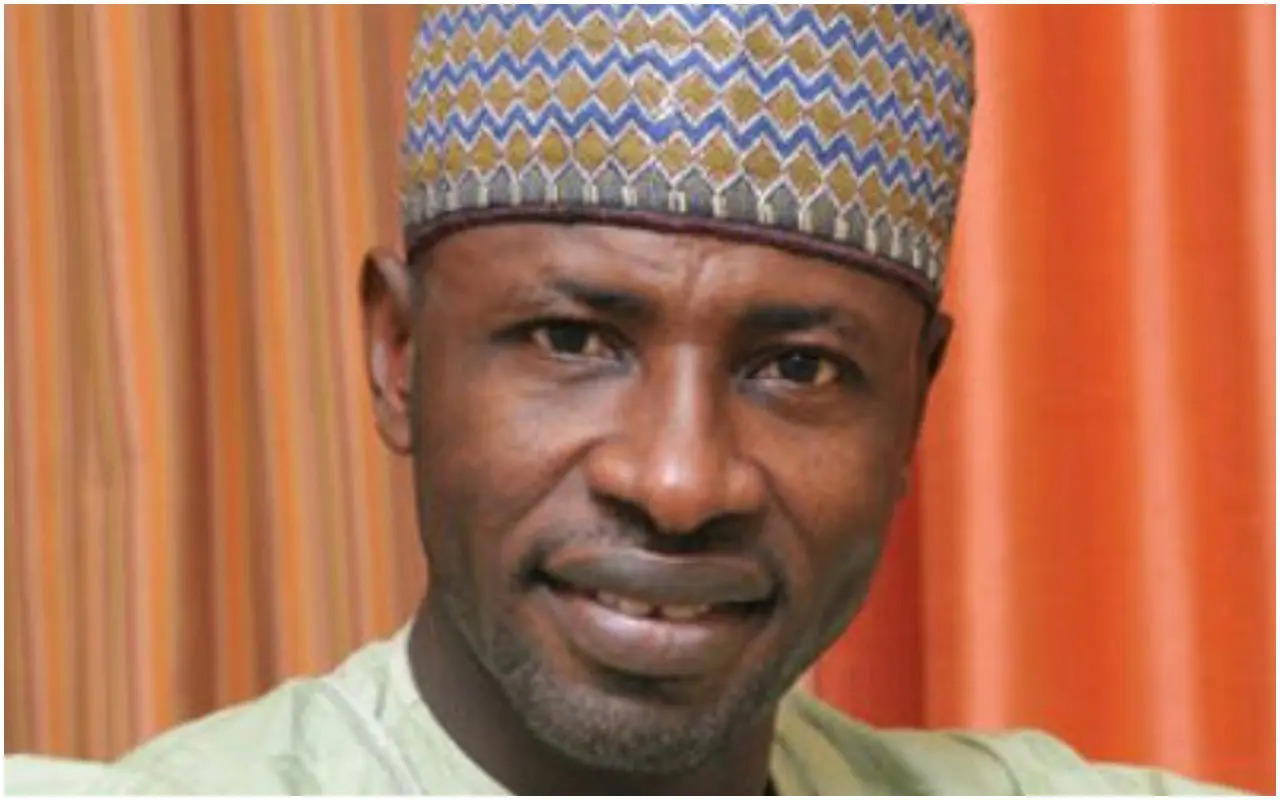
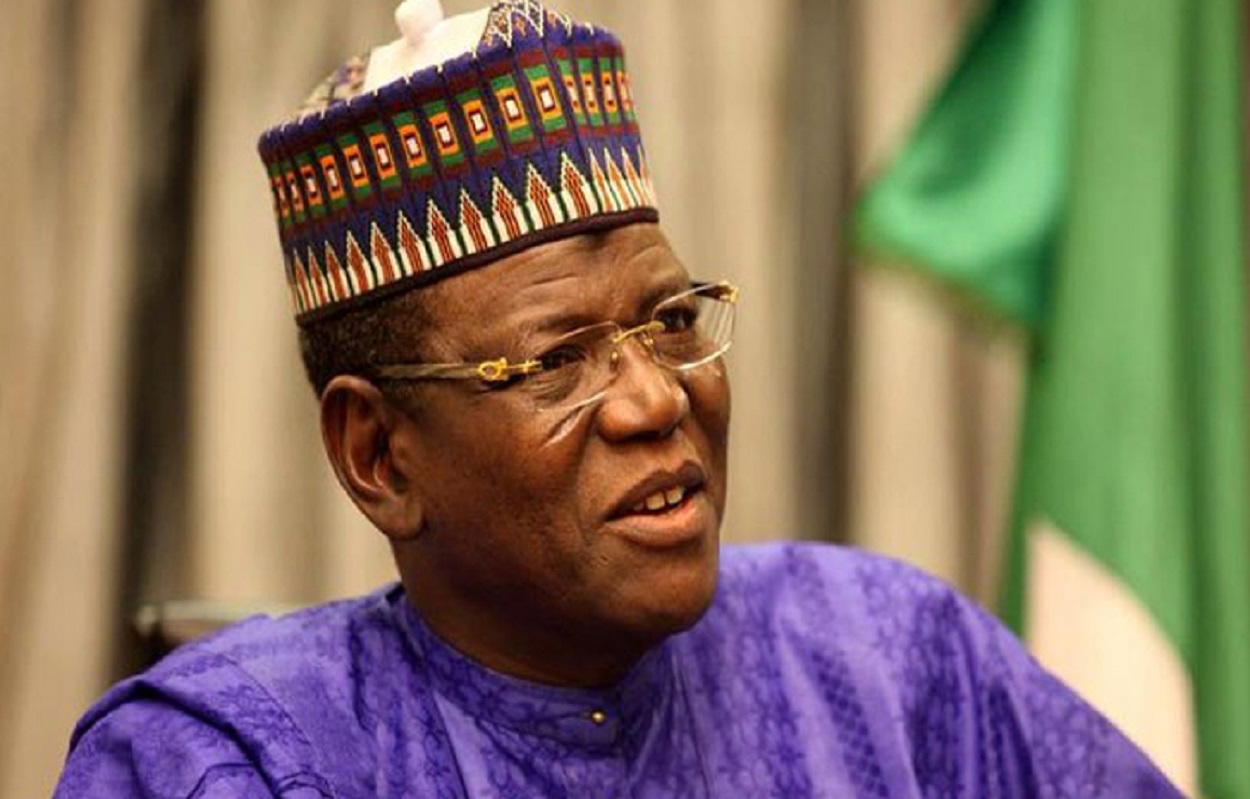
Kashim Shettima will again serve as Tinubu’s running mate.
Cost of Living Crisis
The economic landscape has deteriorated sharply, with the World Bank indicating that subsidy removals and exchange rate adjustments have significantly heightened living costs, disproportionately affecting poorer households. After the elimination of fuel subsidies, transportation and logistics expenses soared, compounded by the depreciation of the Naira, making imports more expensive.
Currently, fuel prices are reported to be six times higher than before the subsidy termination. The World Bank noted that over half of Nigeria’s population lived in poverty last year, an increase from approximately 42% in 2022. Reports reveal that more than 31.8 million Nigerians currently face acute food insecurity, with food making up over 60% of expenditure for low-income households.
Public debt has escalated sharply, climbing from N87.38 trillion in June 2023 to N166.79 trillion by June 2026, representing a 90.9% increase. External debt has also risen from $43.1 billion to approximately $54.5 billion. The NDC has expressed opposition to a proposed additional external loan of N10.79 trillion.
Government officials maintain that these reforms were necessary. Finance Minister Taiwo Oyedele asserted that Nigeria had been living with “fiscal illusions.” The International Monetary Fund (IMF) has characterized the removal of subsidies as a crucial macroeconomic reform.
Inflation Decrease
Recent data show a drop in headline inflation, which fell to 14.63% in September 2026, marking the fourth consecutive month of decline. The Naira has appreciated to N1,333 per dollar as of mid-October, and external reserves have reached $55.07 billion. However, with the central bank rate at 26.5%, many businesses still face high borrowing costs.
Governors: More Money, Less Accountability
The governors remain both a significant asset and a potential liability for Tinubu. Since the subsidy removal, states and local governments have collectively received N31.77 trillion from the Federation Account Allocation Committee (FAAC). Despite this influx, civil society organizations argue that these funds have not translated into improved infrastructure or services.
Tinubu has acknowledged these issues, recently urging governors to enhance service delivery at the grassroots level. However, there has been little evidence of accountability.
31 Governors and Their Value
The APC has expanded its influence, with at least nine governors, including those from Plateau, Kano, Delta, Enugu, and Bayelsa, defecting to the party since 2023. The APC claims to control approximately 31 governors, up from 22, and is aiming to secure at least 20 states in the upcoming elections. The party currently holds 89 Senate seats and 282 in the House of Representatives, while three opposition governors have also pledged support for Tinubu’s re-election.
Critics have raised concerns about a potential drift towards a one-party state, a claim Tinubu has dismissed while encouraging further defections.
However, the electoral value of these governors remains uncertain. Observers note that backing from a large number of governors does not necessarily equate to voter support. Tinubu’s supporters are targeting approximately 18.7 million votes, significantly more than the 8.79 million he received in the previous election. Questions remain about the loyalty of the 31 governors, particularly against the backdrop of separate coalitions, such as the one led by Federal Capital Territory Minister Nyesom Wike.
Off-Season Results: A Mixed Scorecard
The APC can highlight several successes, including Governor Biodun Oyebanji’s re-election in Ekiti and victories in five of six by-elections. The party has also secured five of six area councils in the Federal Capital Territory (FCT) in February, claiming five out of eight off-cycle governorship elections since Tinubu’s ascent to office.
However, the APC faced a significant setback in Osun, where Governor Ademola Adeleke of the Accord defeated the APC candidate by 66,252 votes. This loss occurred in the South-West, a region historically supportive of Tinubu. Additionally, in Anambra, Governor Charles Soludo from the All Progressives Grand Alliance (APGA) won all 21 local government areas with a turnout of about 22%.
Split Opposition
Tinubu’s most considerable challenge may come from a fragmented opposition. In the last election, Atiku and Obi combined for over 13 million votes, surpassing Tinubu’s overall tally. This election cycle will see them contesting under separate party tickets, with Atiku’s campaign recently compromised when a Federal High Court invalidated the ADC’s leadership and primaries, leaving Atiku’s nomination uncertain pending an appeal.
As discussions of a potential alliance between Makinde, Atiku, and Obi circulate, no consensus has yet emerged regarding a unified candidate.
The Odds
Several factors currently favor Tinubu, including incumbency, gubernatorial alliances, and a divided opposition. He won more than 25% of the vote in 30 states during the last election, outpacing the required threshold. With inflation decreasing and the Naira stabilizing, he faces a challenging landscape as the election approaches in just nine weeks.
Conversely, approximately 60% of the population lives in poverty, petrol prices remain significantly elevated, and public debt has nearly doubled. The continuation of a Muslim-Muslim ticket has faced criticism from the Christian Association of Nigeria (CAN). The APC’s recent loss in Osun serves as a reminder that incumbency does not guarantee electoral success. Additionally, the potential for late opposition alliances could further complicate the contest. Obi’s running mate, Rabiu Kwankwaso, has cautioned that relying on the backing of numerous governors may lead to miscalculations about the electoral landscape.
For more details, visit Vanguard News.


