Manufacturing growth doubles to 3.2% amid easing cost pressures
Nigeria’s Manufacturing Sector Sees Year-on-Year Growth in Q2 2026
By Yinka Kolawole
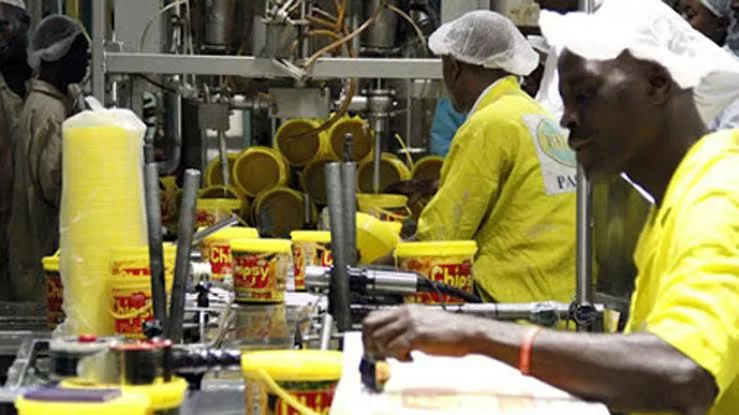
Nigeria’s manufacturing sector experienced a year-on-year growth of 3.2% in the second quarter of 2026, a significant increase from the 1.6% recorded during the same period in 2025. This growth reflects a rebound in industrial activities as pressures on operations gradually ease, according to the National Bureau of Statistics (NBS).


The data indicates a recovery within the sector, bolstered by enhanced activities in the food and beverages, chemicals, pharmaceuticals, cement, and refining subsectors. Contributing to this improvement is relative stability in the foreign exchange market, which has facilitated manufacturers’ access to imported raw materials and production inputs. This stability has allowed businesses to optimize procurement and inventory planning.
Additionally, a decline in inflationary pressures has reduced uncertainty surrounding input costs. This has provided significant relief to manufacturers, thereby supporting more effective planning for production and business operations.
The growth underscores manufacturing’s critical role in Nigeria’s economic diversification initiatives, particularly its contribution to expanding non-oil production, creating jobs, and strengthening domestic value chains.
Despite these positive developments, manufacturers continue to face structural challenges, including high energy costs, inadequate infrastructure, logistics bottlenecks, and elevated financing costs. These factors have impeded competitiveness, limited investment capacity, and slowed production expansion across various industrial segments.
A moderation in inflation is anticipated to further ease pressures on businesses and households, potentially enhancing consumer demand and enabling manufacturers to plan production more strategically. However, ongoing geopolitical tensions in the Middle East pose risks to the sector, as they could impact global energy prices and supply chains. Any escalation in these tensions might lead to increased crude oil and gas prices, thereby raising transportation and production costs, potentially reversing recent gains from improved domestic inflation.
For notable growth to continue, Nigerian manufacturers will need to secure macroeconomic stability and tackle persistent structural challenges, particularly related to energy supply, infrastructure deficits, and access to affordable financing.