ECOWAS Monetary Union: Cardoso advocates equity, fairness in governance structure
By Babajide Komolafe
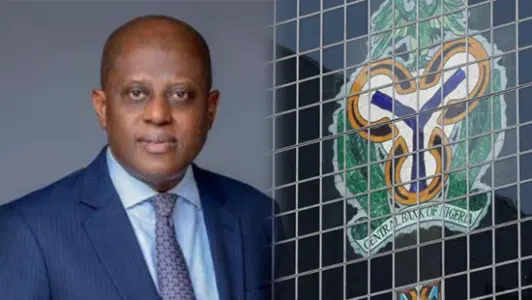
ABIDJAN, Côte d’Ivoire — In a recent address, Central Bank of Nigeria Governor Olayemi Cardoso emphasized the importance of equity, fairness, and proportional representation in the governance structure of the proposed ECOWAS Monetary Union.
Speaking on behalf of Nigeria at the Ministerial Session of the sixth Presidential Task Force Meeting on the ECOWAS Single Currency Programme on November 20, 2026, Cardoso called for a balance between regional solidarity and the financial obligations and risks taken on by member states.


The Ministerial Committee, which includes finance ministers and central bank governors from ECOWAS member states, has underscored the significance of the meeting for the future of monetary integration in the region. Cardoso highlighted ongoing discussions concerning the institutional framework of the proposed Monetary Union, including the locations of its institutions, leadership roles, and the allocation of responsibilities.
“The decisions we take today will shape the future of the Union for decades to come,” Cardoso stated. He emphasized that these choices will impact the Union’s credibility with investors, its legitimacy among citizens, and the assurance that member states’ contributions are acknowledged within the emerging framework.
Reiterating Nigeria’s commitment to the ECOWAS Monetary Cooperation Programme and the establishment of the ECO, Cardoso described the country’s dedication as longstanding and unwavering. He pointed to significant financial contributions and ongoing technical support that Nigeria has provided to foster regional consensus.
“Nigeria has and will continue to demonstrate solidarity and fairness while respecting the sovereignty of other member states. We remain fully committed to a credible, sustainable, and mutually beneficial Monetary Union,” he declared.
He also argued that larger economies, which bear a greater share of financial responsibilities, should have a meaningful voice in governance structures. “While bigger economies continue to carry the burden, they should also have a significant role due to their systemic importance in the sub-region,” Cardoso advised.
Cardoso clarified that Nigeria’s stance is not based on a desire for dominance but rather on a sense of responsibility inherent in its position as the region’s largest economy and a principal contributor to the proposed Monetary Union. He affirmed that Nigeria is prepared to devote substantial financial resources and institutional capital to the initiative, stressing that governance should reflect the scale of those contributions.