US court convicts Huawei of theft: A history of Chinese firm’s global woes | Technology News
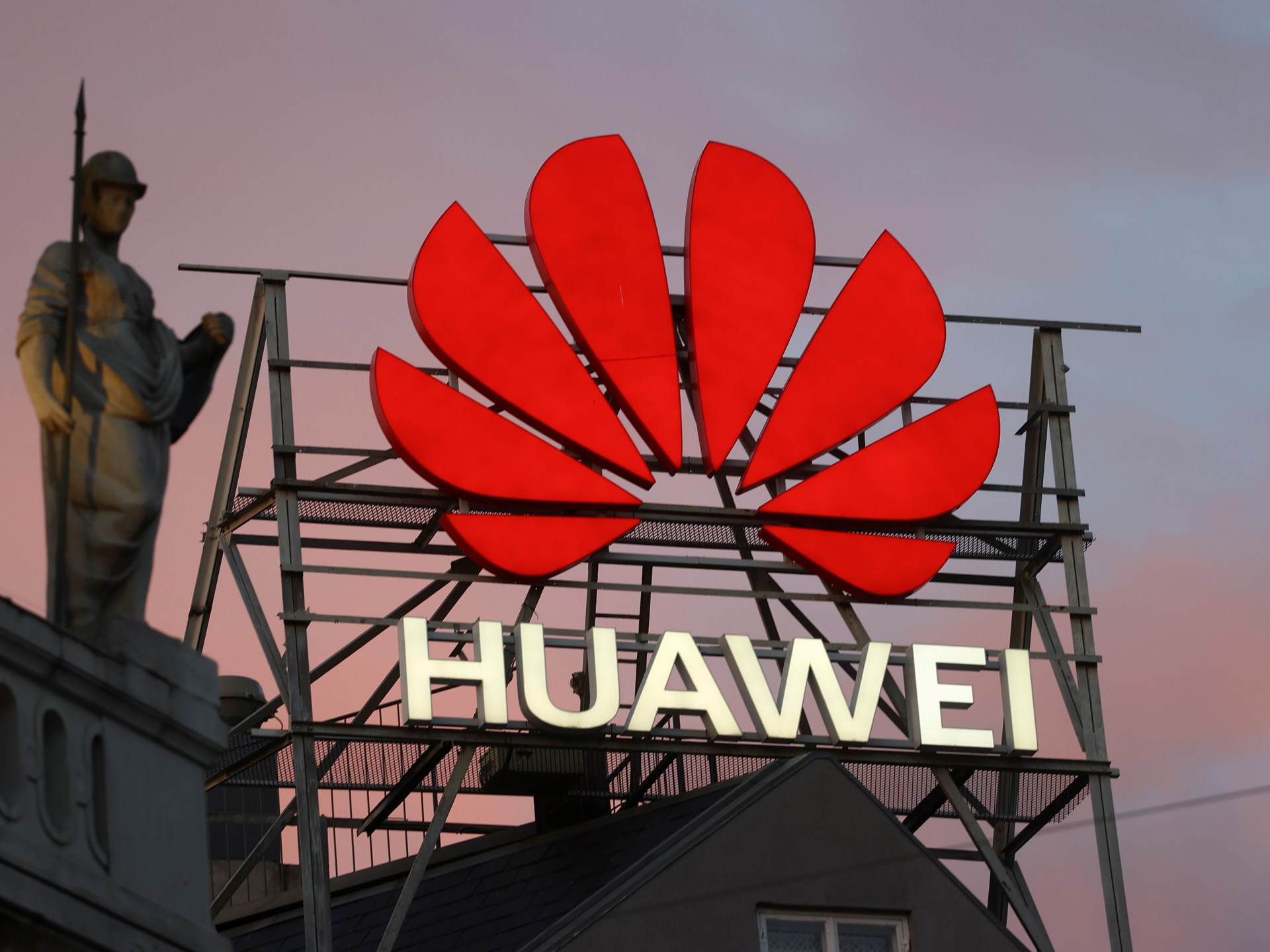
U.S. Jury Convicts Huawei of Fraud and Trade Secret Theft
A federal jury in New York has found the Chinese technology company Huawei and three of its subsidiaries guilty of multiple serious offenses, including bank fraud and conspiracy to steal trade secrets from U.S. firms. The verdict was delivered on Tuesday following a protracted trial that highlighted the company’s extensive legal troubles.
The jury convicted Huawei, its subsidiary Huawei Device Co. Ltd., and two U.S. affiliates, Futurewei Technologies Inc. and Huawei Device USA Inc., on 10 of 11 counts. Charges included conspiracy to steal trade secrets, conspiracy to commit wire and bank fraud, and violations of the International Emergency Economic Powers Act (IEEPA). Huawei was acquitted of the most serious charge of engaging in a criminal racketeering conspiracy.


The U.S. Department of Justice characterized Huawei’s actions as part of a broader pattern of fraud spanning more than two decades. Assistant Attorney General A. Tysen Duva stated, “Huawei’s crimes threatened the U.S. financial system and undermined our national security.”
Specific allegations presented during the trial included incidents in which Huawei employees purportedly stole proprietary information about a robot developed by T-Mobile, despite a signed nondisclosure agreement. Additionally, Huawei engineers were accused of copying the software code from Cisco routers and an employee allegedly misrepresented employment intentions to work with the U.S. company CNEX.
The jury also considered evidence suggesting that Huawei operated in Iran and North Korea, countries subject to U.S. sanctions, and that it misled U.S. officials and banks regarding this activity.
Sentencing has been scheduled for September, with Huawei’s legal team indicating plans to appeal the verdict. The company is expected to face significant financial penalties as a result of the convictions.
US-China Tech Rivalry Context
The case against Huawei is part of the broader technological rivalry between the United States and China, particularly focused on advancements in artificial intelligence. The Chinese government has condemned the jury’s decision, asserting that it serves as a mechanism for the U.S. to contain and suppress Chinese companies.
In a statement, the Chinese Ministry of Foreign Affairs affirmed its opposition to U.S. actions that negatively impact Chinese enterprises, emphasizing its support for their lawful rights.
The verdict comes amid other controversies in the tech sector, including an investigation into Nvidia’s CEO Jensen Huang for potential leaks of sensitive information to China.
Global Scrutiny of Huawei
Huawei has faced significant restrictions internationally, particularly from U.S. allies concerned about its ties to the Chinese government. The company has been blacklisted in the U.S. since 2019, which prohibits it from selling telecommunications equipment without special approval.
Several nations have imposed bans or restrictions on Huawei’s operations:
- Australia and New Zealand: Both countries banned Huawei from supplying 5G equipment and services in 2018.
- United Kingdom: The UK prohibited telecom providers from acquiring new Huawei 5G equipment after 2020 and required the removal of existing Huawei gear by 2027.
- Canada: Huawei has been barred from providing equipment for 4G and 5G networks. In 2018, Canadian authorities arrested the company’s Chief Financial Officer Meng Wanzhou, who was later returned to China in a prisoner exchange after charges against her were dropped.
- Germany and Europe: Major telecommunications companies in Germany, including Deutsche Telekom, have agreed to phase out Huawei equipment from 5G networks by 2029. Other European nations, including Estonia, Denmark, and France, have enacted similar restrictions.
Countries such as Japan, Taiwan, and India have also imposed either full bans or restrictions on Huawei, reflecting growing global concerns regarding the company’s operations.


