It won’t happen again — Fashola on Peter Obi’s 2023 victory in Lagos

Fashola Reflects on APC’s Loss in Lagos, Emphasizes Need for Future Preparedness
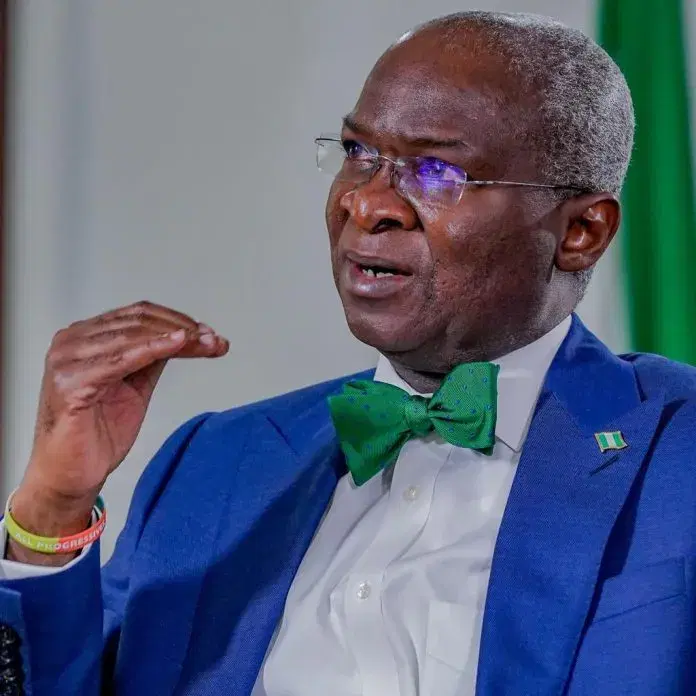
Former Lagos State Governor Babatunde Fashola stated that the All Progressives Congress (APC) was unprepared for the defeat it suffered in Lagos during the 2023 presidential election, where Peter Obi of the Labour Party emerged victorious against APC candidate Bola Tinubu in the latter’s home state.
In an exclusive interview with ARISE News, Fashola acknowledged that the election results were unexpected, attributing the surprise to pre-election surveys that did not forecast significant competition in Lagos.


“We were blindsided. It won’t happen again,” Fashola remarked, expressing the party’s resolve to prevent a recurrence in future elections.
When questioned about whether the APC had underestimated its opponents by assuming it held an advantage in Lagos, Fashola dismissed the notion. He explained that the party’s projections had not identified the state as a critical battleground prior to the election.
“Lagos didn’t look like a battleground at the time, not from the numbers,” he said, adding that thorough surveys conducted by the party supported this assessment.
Despite the presidential election setback, Fashola asserted that the APC quickly regained its footing, pointing to subsequent electoral results that indicated the party’s continued strength in the state. “In spite of that setback at the presidential election, we turned it around very quickly,” he noted.
Fashola further rejected the idea that Obi’s victory signified a lasting decline in the APC’s influence. He emphasized the importance of focusing on the party’s record and policies rather than dwelling on past losses.
Amid ongoing discussions about voter intimidation, ethnic rhetoric, and violence surrounding the 2023 elections in Lagos, Fashola insisted that political competition should not involve threats or personal attacks.
“Politicians can promote their parties and challenge opponents without resorting to hate speech or damaging reputations,” he stated.
Fashola characterized democracy as a “non-contact sport,” advocating for competition through ideas and policies rather than intimidation or violence.