Automaker Stellantis posts massive loss, pivots from EV
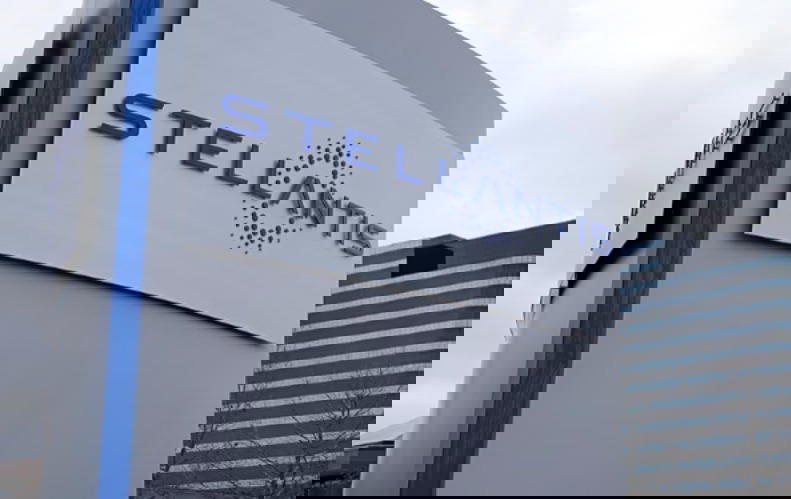
Stellantis Reports Significant Loss, Shifts Focus from Electric Vehicles
Stellantis, the automaker behind brands such as Jeep and Fiat, announced a net loss of 22.3 billion euros ($26.3 billion) for the previous year, attributing this downturn to decreased demand for electric vehicles (EVs).
This month, the company revealed it would incur substantial charges to redirect its strategy toward combustion engine production, marking a notable pivot from its previous emphasis on EV manufacturing. The move follows disappointing sales figures that fell considerably short of expectations.



The trend is not isolated to Stellantis; American automotive giants Ford and General Motors have also disclosed multi-billion-dollar write-downs as they scale back their EV initiatives. This shift has been prompted, in part, by the removal of significant subsidies under former President Donald Trump’s administration.
Both the United States and the European Union have eased emissions targets in recent months, which had previously aimed for stricter standards for cleaner vehicles.
Stellantis is experiencing its losses amid significant leadership changes, including the ousting of CEO Carlos Tavares due to disputes regarding his premium pricing strategy. Antonio Filosa, Tavares’s successor and a veteran of Fiat, has initiated a management overhaul with a commitment to restoring the company’s profitability.
Despite the losses, Stellantis’s revenue decreased only slightly, by 2%, to 153.5 billion euros last year. Vehicle sales, however, increased from 5.41 million units in 2024 to 5.48 million in 2025.
Filosa acknowledged the challenges faced, stating, “Our 2025 full year results reflect the cost of over-estimating the pace of the energy transition.” He emphasized the need to realign the business to meet customer preferences for a variety of vehicle technologies, including electric, hybrid, and combustion engines.
The company reported a current operating loss of 842 million euros last year and has announced it will not distribute dividends. In the latter half of 2025, Stellantis experienced a 10% sales increase, reaching 2.8 million vehicles, partially driven by a rebound in U.S. sales.
Looking ahead, Filosa expressed optimism for renewed growth, attributing potential recovery to the introduction of new models, particularly combustion-engine pickups in the U.S. The company anticipates U.S. tariffs will cost it 1.2 billion euros in 2025 and 1.6 billion euros in 2026, despite the U.S. Supreme Court’s recent decision to annul Trump’s tariffs.
Stellantis, formed in early 2021 from the merger of France’s PSA Group and Italy’s Fiat Chrysler, has confirmed its strategic shift away from the EV sector. The company has sold its 49% stake in NextStar Energy, developer of Canada’s first battery gigafactory, and plans to exit a joint venture with Samsung focused on creating two gigafactories in the U.S. The company also intends to reintroduce combustion engine models in both the U.S. and Europe, including diesel options, while asserting that this strategy will not detract from its commitment to electric vehicles.