Cardoso, Oyedele sign Monetary-Fiscal policy coordination MOU
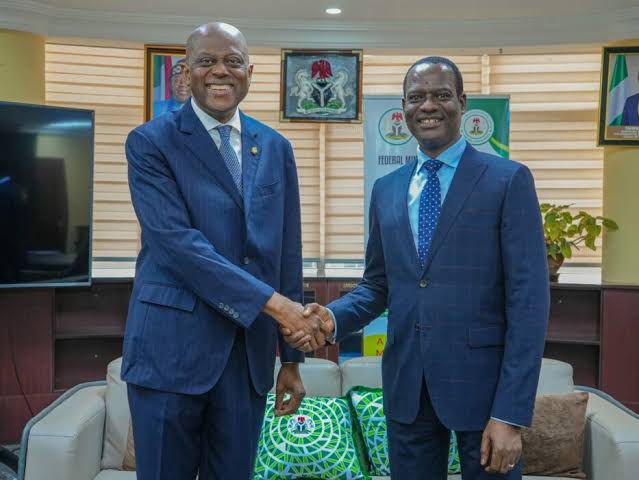
Central Bank of Nigeria and Finance Ministry Sign MOU on Monetary-Fiscal Policy Coordination
By Emma Ujah, Abuja Bureau Chief
ABUJA — The Central Bank of Nigeria (CBN) and the Federal Ministry of Finance have formalized their collaboration with the signing of a Memorandum of Understanding (MOU) aimed at enhancing coordination between monetary and fiscal policies. This agreement seeks to strengthen macroeconomic management, promote economic stability, and foster sustainable growth for all Nigerians.
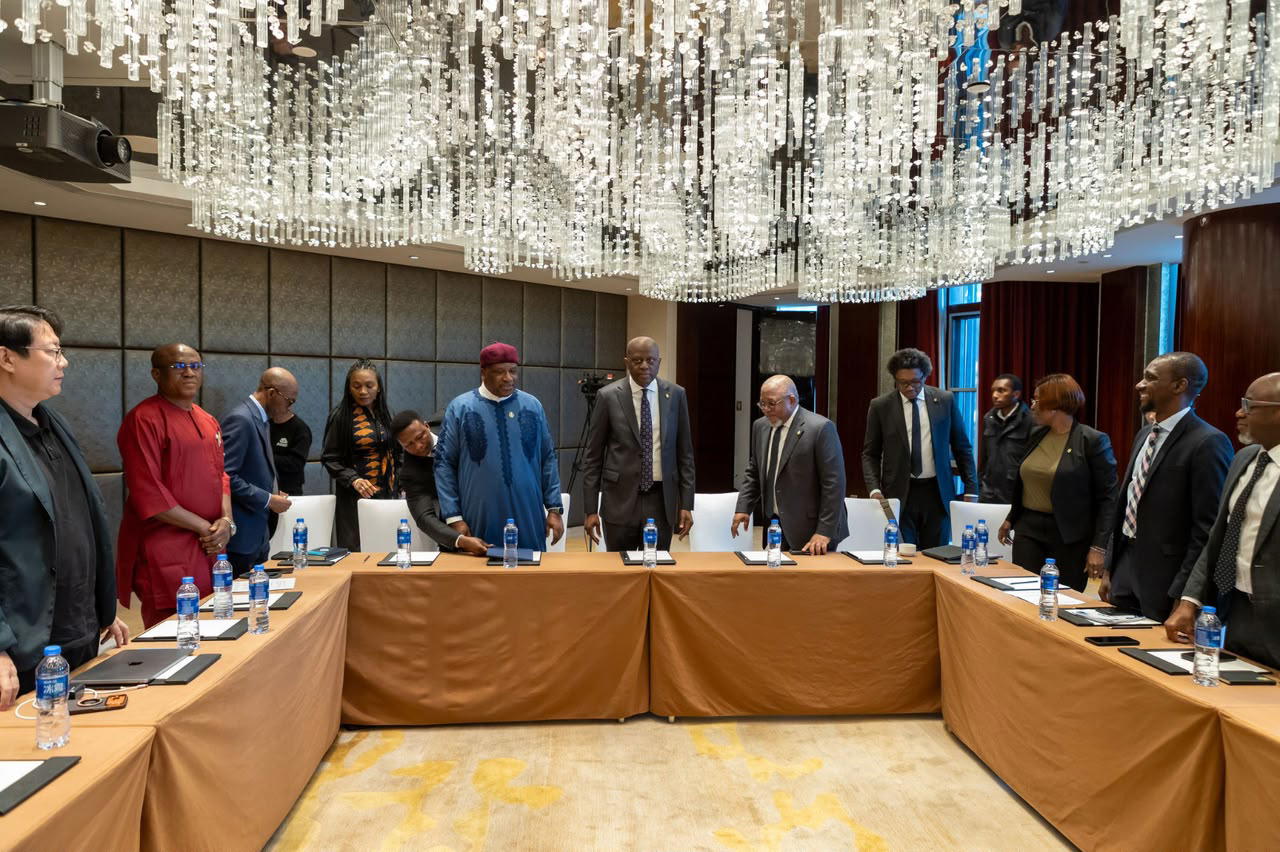

The MOU was signed by CBN Governor Olayemi Cardoso and Finance Minister Taiwo Oyedele during a ceremony at the CBN headquarters in Abuja on Tuesday.
In his remarks, Cardoso emphasized the importance of cooperation between the two entities, stating that the agreement signifies a mutual commitment to improving the economic landscape for the Nigerian public. He noted that fiscal and monetary policies are essential tools for managing a modern economy, highlighting their complementary roles in shaping economic activity and maintaining financial stability.
“When these policies work in harmony, their combined impact is far greater than their individual efforts,” Cardoso said. He clarified that the MOU does not create a new partnership but rather strengthens existing collaboration, which has been underway for decades on issues such as inflation management, debt sustainability, and exchange rate stability.
The MOU establishes a framework for regular consultation and information sharing, moving the relationship beyond the individual discretion of office holders. Cardoso outlined key areas for collaboration, including government cash management, debt issuance planning, and liquidity forecasting.
“This framework will improve the quality of decision-making, reduce uncertainty, and enhance our response to emerging economic challenges,” he said. The timing of the agreement is significant as the CBN transitions toward an inflation targeting framework, which requires a supportive fiscal environment, according to Cardoso.
Minister Oyedele echoed the importance of collaboration while emphasizing that both institutions should retain their independence. He stated that effective economic management relies on the distinct yet interconnected mandates of fiscal and monetary authorities.
“Government borrowing affects liquidity and interest rates, while monetary policy influences the government’s financing costs. Our mandates are distinct, but our outcomes are interconnected,” Oyedele remarked.
He added that the MOU will facilitate more effective communication and alignment in macroeconomic policies, strengthening the operational linkages already existing between the CBN and the Ministry of Finance, including the Economic Management Team and National Economic Council.
“This agreement institutionalizes coordination and creates clearer mechanisms for addressing any policy conflicts,” Oyedele said.
Through this enhanced partnership, both institutions aim to work toward a more stable and productive economy, ultimately benefiting present and future generations of Nigerians.