Cardoso puts Nigerian financial markets at centre of deeper investment ties with China
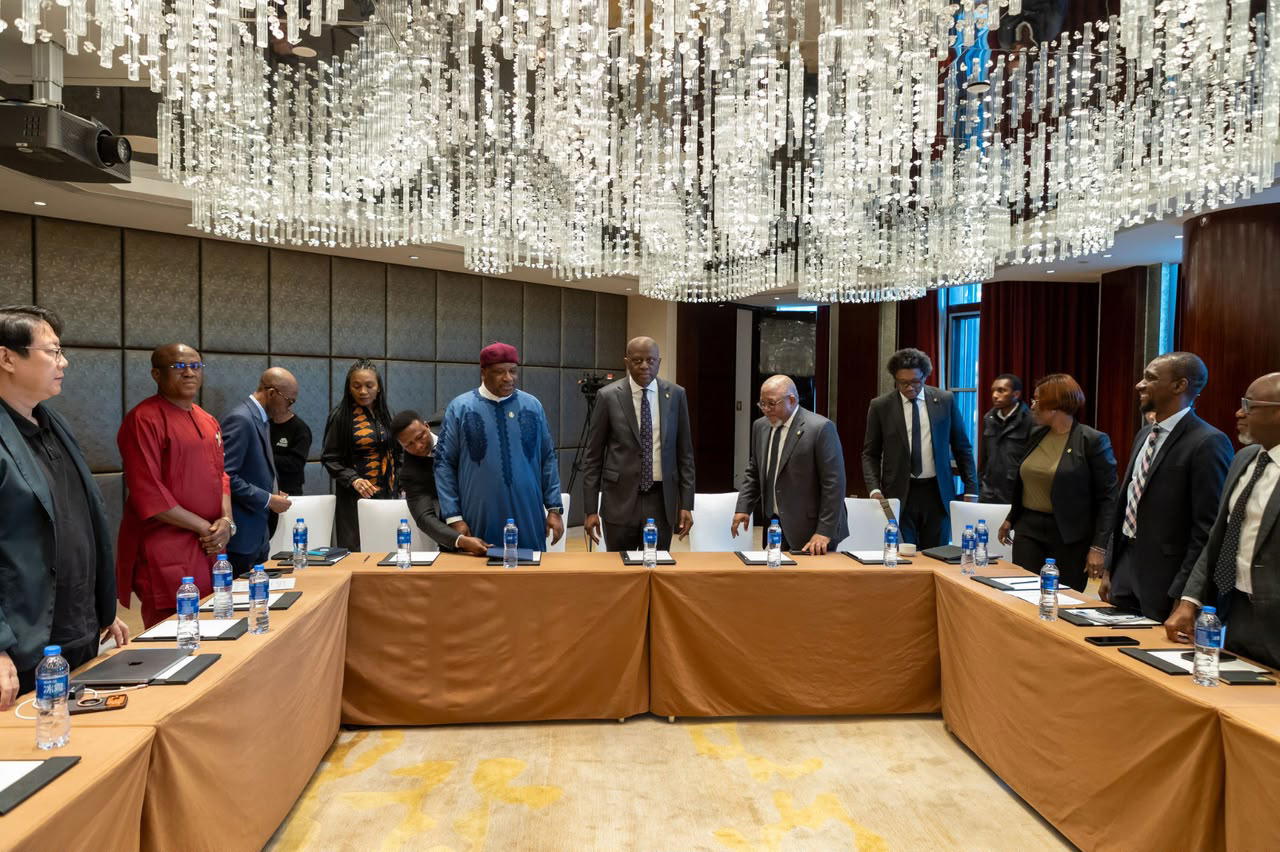
Central Bank of Nigeria Governor Olayemi Cardoso has emphasized the potential for enhanced financial ties with China through increased investments in Nigerian financial markets, particularly in naira-denominated instruments.
In a recent meeting with the chairman and senior management of the Industrial and Commercial Bank of China (ICBC), Cardoso discussed how greater involvement from Chinese financial institutions could strengthen the economic relationship between Nigeria and China.
He noted that Nigeria’s solid financial foundations create a stable environment for investment and business activity. Cardoso highlighted a focus on consolidating financial stability to foster deeper markets and sustainable economic growth.



“Our ambition is not simply to make financial transactions between Nigeria and China easier,” Cardoso stated. “It is to create the conditions for more transactions, greater investment, and stronger financial flows in both directions.”
Cardoso reiterated the importance of inviting Chinese financial institutions to engage more actively in Nigerian markets, including exploring opportunities in naira-denominated assets. He indicated that such participation could be pivotal in broadening the bilateral relationship.
The governor outlined a potential role for ICBC to leverage its institutional networks to connect with investment opportunities in Nigeria. He suggested that its corporate networks and international presence could assist in identifying barriers and facilitating financial activities that align with commercial interests.
Currently, Nigeria and China maintain significant commercial links. Cardoso referenced Central Bank of Nigeria data that indicates considerable trade-related payments from Nigeria to China, contrasted with limited export revenues and investment returns into Nigeria.
Expanding financial-market participation could introduce an investment dimension to a relationship primarily dictated by trade payments.
Cardoso also addressed the Central Bank’s role in fostering a credible and transparent financial environment, while collaborating with relevant authorities to tackle regulatory and institutional challenges.
To advance the discussions, he proposed actionable priorities and assigned teams to focus on these initiatives. He concluded that the success of these efforts would be measured by increased transaction volumes, broader market participation, and a more balanced financial relationship between Nigeria and China.