Climate finance: Nigeria could lose 30% GDP by 2050
Nigeria Faces Potential Economic Losses from Climate Inaction
By Providence Ayanfeoluwa and Glory Bassey
Stakeholders warn that Nigeria may risk losing up to 30 percent of its Gross Domestic Product (GDP) by 2050 without adequate action on climate change.
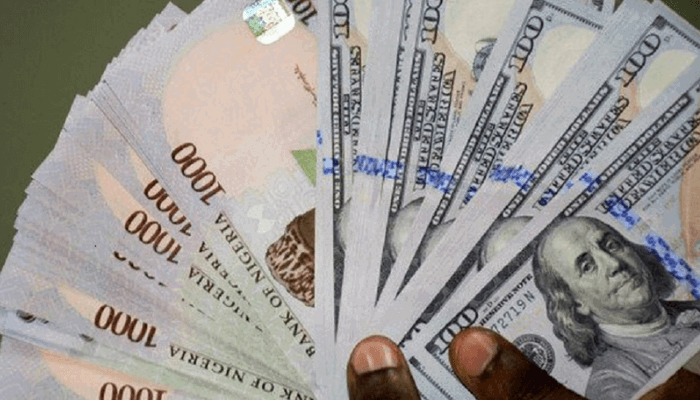
This assessment is based on findings from the Climate Policy Initiative, which indicates a significant shortfall in climate finance. Nigeria mobilized approximately $2.5 billion in climate funding during 2021 and 2022, a stark contrast to the estimated annual requirement of $29.7 billion.
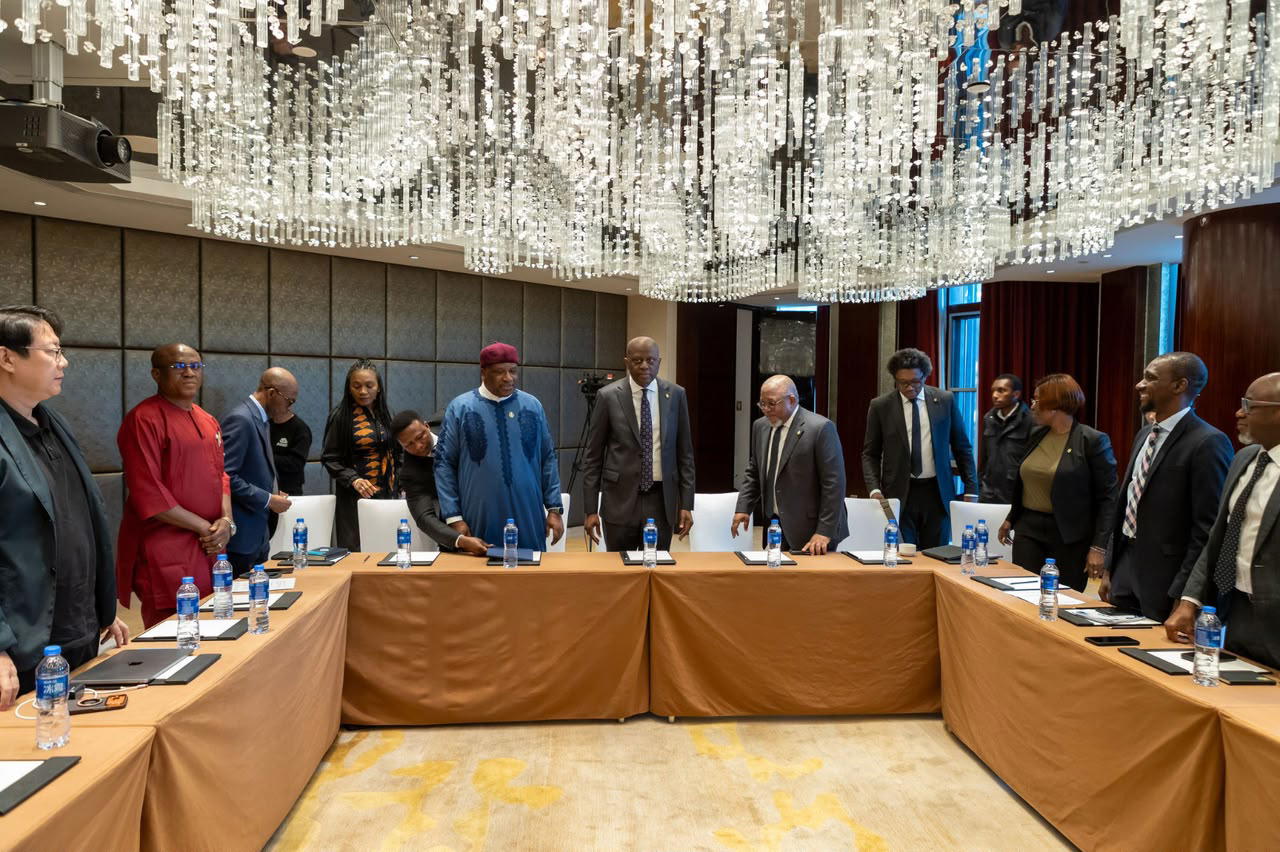
At the Stanbic IBTC Holdings Sustainable Finance Summit 3.0, Chief Executive Chuma Nwokocha noted that the summit, launched three years ago, aims to advance the sustainable finance landscape in Nigeria. He highlighted that sustainable finance has transitioned from niche interest to a central focus within the economy.
Nwokocha emphasized the importance of developing local solutions for sustainable financing. “Sustainable development and growth are inseparable for Nigeria,” he said. “A just transition must reduce vulnerabilities and simultaneously enhance lives, create opportunities, and foster broad economic participation.”
Professor Bongo Adi, representing Dean Olayinka David-West of the Lagos Business School, discussed Nigeria’s climate finance deficit, estimated at $27.4 billion. He underscored the need to restructure the entire ecosystem to benefit the populace, the environment, and profitability, stating that “people, policy, and prosperity matter, and capital connects all three.”
Ibrahim Shelleng, Senior Special Assistant to the President on Climate Finance, remarked that sustainable finance is increasingly viewed as essential to economic diversification, infrastructure development, and job creation rather than merely an environmental issue.
He reiterated the warning regarding potential GDP losses: “Currently, 30 percent of GDP is around four percent. Nigeria’s energy transition plan requires approximately $1.9 trillion to achieve net zero by 2060, and our national climate ambitions call for an investment of about $337 billion by 2035 across various sectors.”
Shelleng stressed that the federal government sees climate action as integral to national economic planning. He noted ongoing efforts to develop the necessary policy, regulatory, and institutional frameworks to transform Nigeria’s climate goals into viable investment opportunities.