Drug trafficking through ports threatens Nigeria’s trade reputation, economy — Report
By Providence Ayanfeoluwa
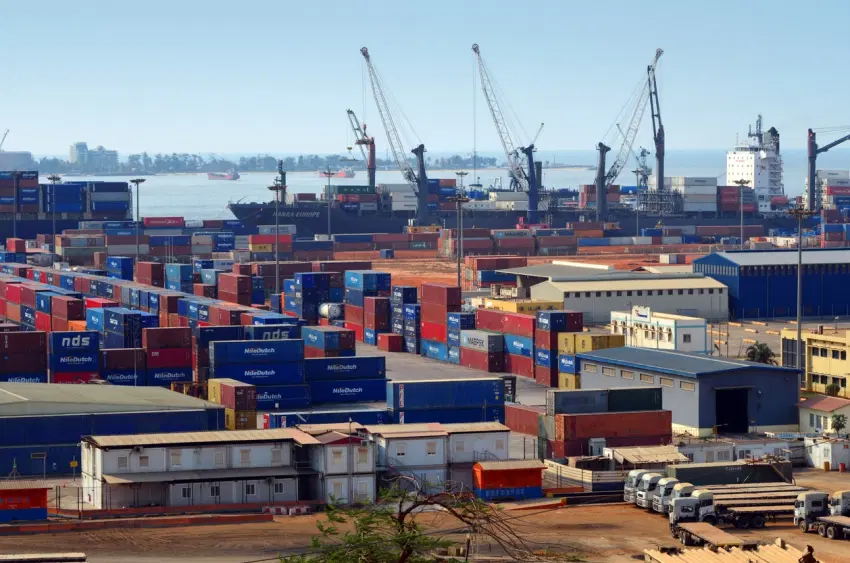
Nigerian seaports are increasingly becoming havens for drug trafficking, posing significant risks to the country’s reputation in international trade, economic competitiveness, and investment opportunities, the Sea Empowerment & Research Center (SEREC) has reported.
In its July 2026 Policy Bulletin, released on Thursday, SEREC highlighted the ongoing use of Nigerian ports as transit routes for narcotics. This trend could lead to heightened cargo inspections in destination countries, adding delays, increasing logistics costs, and disrupting legitimate trade.



The report indicates that the encroachment of international drug trafficking syndicates into Nigeria’s maritime system could erode confidence in the nation’s ports and elevate its global maritime risk profile.
SEREC’s analysis underscores that the ramifications extend well beyond criminal activities. “Persistent attempts to use Nigerian ports as transit corridors for narcotics could undermine the country’s international trade reputation, attract stricter destination inspections, and ultimately discourage investment,” the bulletin stated.
Moreover, the organization noted that maritime drug trafficking often intertwines with other transnational crimes, including money laundering, organized crime, corruption, and illicit financial flows, all of which can weaken institutions, destabilize national security, and threaten economic stability.
To combat these challenges, SEREC called upon the Federal Government to transition from a seizure-based enforcement strategy to a more proactive, intelligence-led approach.
The organization recommended implementing Artificial Intelligence (AI)-driven cargo profiling, expanding the use of non-intrusive cargo scanners, enhancing container tracking systems, and improving collaboration among key agencies, including the Nigeria Customs Service (NCS), the National Drug Law Enforcement Agency (NDLEA), the Nigerian Ports Authority (NPA), and the Nigerian Maritime Administration and Safety Agency (NIMASA).
Additionally, SEREC advocated for the full implementation of the National Single Window platform to better facilitate information sharing, cargo monitoring, and risk assessment among government agencies involved in trade and border security.
By integrating technology with robust inter-agency cooperation, the report suggests that Nigeria can significantly reduce the capacity of criminal networks to exploit its ports while enhancing the efficiency of legitimate cargo movement.
“SEREC therefore calls for a transition from seizure-based enforcement to intelligence-led prevention,” the report emphasized. “These proactive reforms are essential to protect trade, attract investment, and ensure the long-term economic security of Nigeria.”