Funding Gaps Threaten Africa’s Polio Eradication Efforts, WHO Warns

WHO Warns of Polio Eradication Challenges in Africa Amid Funding Shortages
The World Health Organization (WHO) has issued a warning that funding shortages and gaps in vaccination coverage are jeopardizing efforts to eradicate polio in Africa. Despite millions of children receiving vaccinations across the continent, the organization cautions that continued vigilance is essential.
In a message marking World Polio Day 2026, Dr. Mohamed Janabi, WHO Regional Director for Africa, emphasized the need for increased domestic investment from governments and more predictable financial support from development partners for vaccination campaigns.


“Every child should have the chance to grow up free from polio,” Janabi stated. “Yet a disease we can prevent still causes irreversible paralysis, altering lives and placing lasting burdens on families.”
Janabi highlighted that the African Region’s certification as free from indigenous wild poliovirus in 2020 was a testament to effective political leadership and collaborative efforts. He cited independent assessments confirming the closure of type 2 poliovirus outbreaks in countries such as Burundi, Ghana, and Uganda this year.
However, Janabi pointed to a recent detection of poliovirus type 1 in Madagascar, following the resolution of a previous outbreak in 2025, as evidence of ongoing risks linked to insufficient vaccination coverage. He noted that over 168 million children received at least one dose of the polio vaccine between January and September 2026, facilitated by 55 campaigns across 22 African nations.
“The work of health workers, community leaders, and parents has been vital in these efforts,” Janabi added. He also commended joint vaccination initiatives in March that reached more than 10 million children across Angola, the Democratic Republic of the Congo (DRC), and Namibia.
Despite these advances, Janabi expressed concern that financial limitations are forcing health authorities to prioritize interventions in high-risk areas, leaving other vulnerable populations without adequate protection. He specifically cited the Lake Chad Basin and the DRC as regions of concern, where additional vaccination rounds to combat type 2 outbreaks remain unfunded.
“In the DRC, the necessary vaccination rounds are still unfunded, threatening progress toward the 2026 eradication goals,” he said. Janabi further specified that a single vaccine dose does not guarantee immunity, urging nations to bolster routine immunization efforts to ensure comprehensive coverage.
Issues such as conflict, displacement, geographical barriers, and vaccine skepticism continue to obstruct access to immunization for some children. Janabi called for greater community engagement, urging health personnel to actively address parental concerns while enhancing access to vaccines.
In terms of disease surveillance, Janabi noted improvements in laboratory capacity and technology that enable quicker detection and response to outbreaks. He revealed that more than 100,000 polio samples were tested in 2025, with over 90 percent analyzed within agreed timelines. The number of laboratories capable of sequencing increased from two to four, expediting sequencing results from below 50 percent to nearly 70 percent last year.
Additionally, the accreditation of Nigeria’s Maiduguri laboratory has strengthened regional surveillance capabilities. New technologies, such as Direct Detection Nanopore Sequencing, offer significant reductions in laboratory turnaround times.
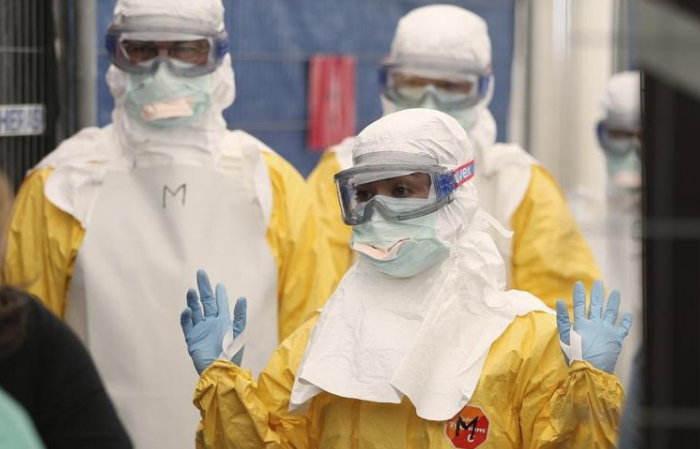
Janabi stated that investments in polio surveillance not only bolster eradication efforts but also enhance countries’ abilities to manage other public health crises, including the ongoing Ebola outbreak in the DRC.
He reiterated the need for sustained political commitment and domestic funding from governments, alongside reliable international financial support.
“Polio eradication is within reach, but it demands an emergency mindset, prompt action, ongoing financial support, and strong accountability,” he said. “We must safeguard our progress, enhance routine immunization, and ensure the necessary resources to achieve a polio-free Africa for every child.”