IMF, World Bank hail Oyedele’s G-24 leadership
By Henry Ojelu
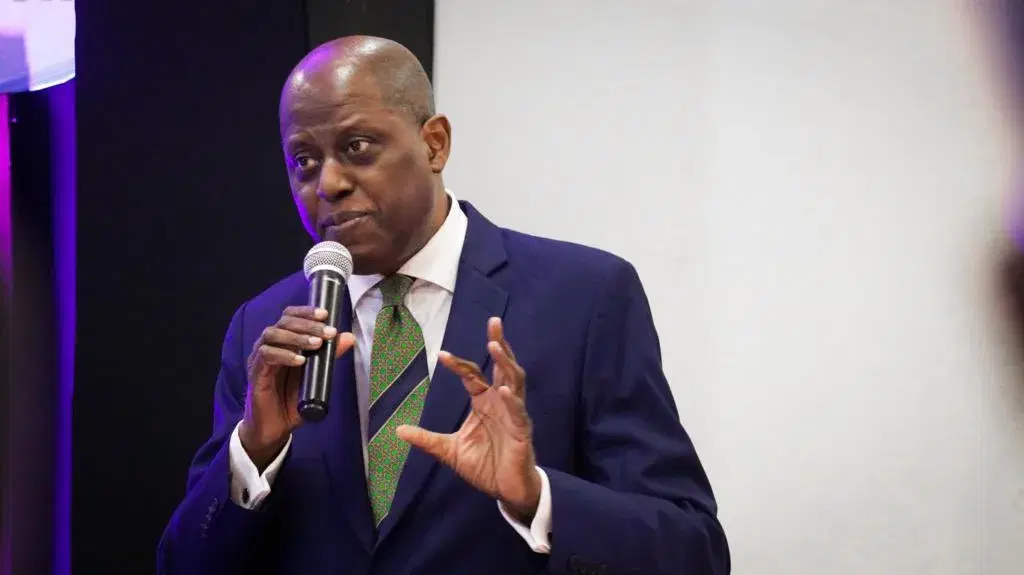
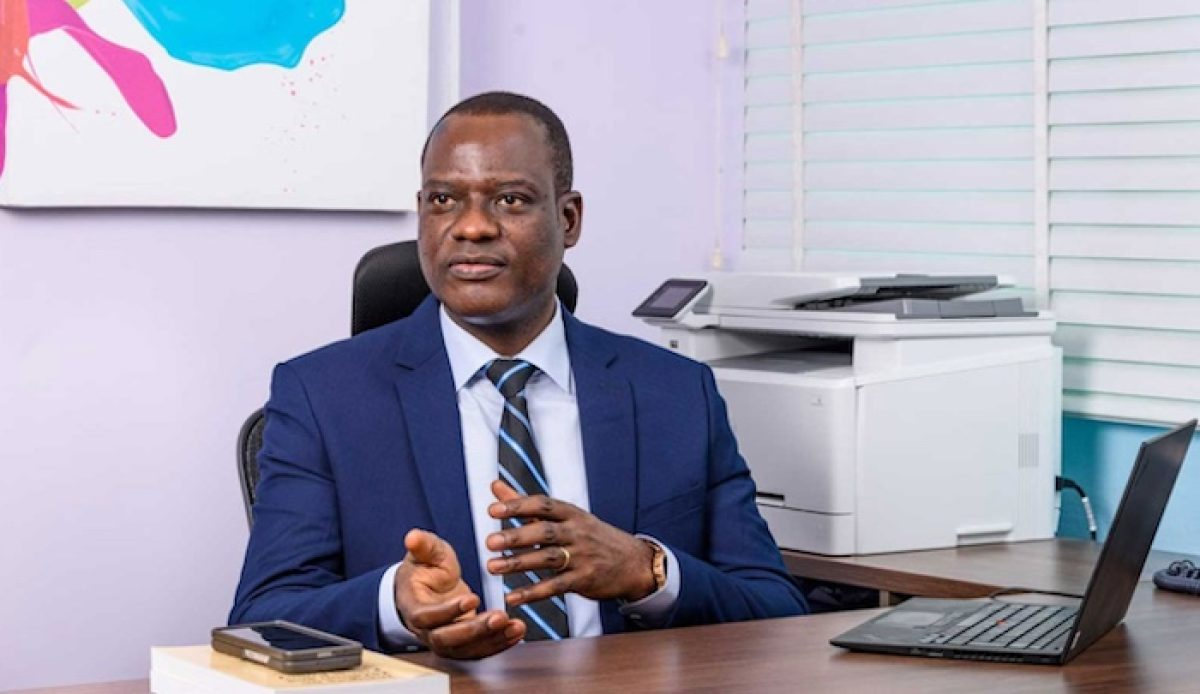
Taiwo Oyedele, Nigeria’s Minister of Finance and Coordinating Minister of the Economy, received praise from leaders at the International Monetary Fund (IMF) and World Bank for his leadership of the Group of 24 (G-24). This recognition underscores Nigeria’s increasing influence in global economic discussions.
The commendation was made during the 2026 IMF and World Bank Group Annual Meetings held in Bangkok, Thailand, where Oyedele chaired a G-24 Board of Governors meeting. He advocated for a more equitable global financial system, accessible development financing, and urgent solutions to sovereign debt crises.
IMF Managing Director Kristalina Georgieva and World Bank Senior Managing Director Axel van Trotsenburg—representing World Bank President Ajay Banga—joined other G-24 governors in acknowledging Oyedele’s effective leadership on the financial challenges facing developing nations.
Banga further recognized Nigeria’s recent reform achievements during a conversation with Oyedele and Central Bank of Nigeria Governor Olayemi Cardoso, noting a significant rise in private capital inflows from approximately $300 million in 2023 to nearly $6 billion in 2026.
Oyedele’s contributions during the meetings extended beyond diplomatic discussions. He addressed the growing burden of rising debt-servicing costs on developing countries, emphasizing that these costs were detrimental to investment, job creation, and inclusive growth. According to a Reuters report, he indicated that developing economies are incurring about $500 billion more in debt servicing compared to their developed counterparts.
The minister called on international financial institutions to offer more accessible and affordable concessional financing to vulnerable economies. He also urged against imposing additional tax burdens on households and productive sectors during periods of global economic uncertainty, advocating for improved revenue mobilization, reduced waste, and a careful balance between taxation and borrowing.
At the Africa’s Golden Future Forum in Bangkok, Oyedele highlighted Nigeria’s experiences with removing fuel subsidies, liberalizing foreign exchange, and enacting tax reforms as valuable lessons for other African nations pursuing sustainable development. He mentioned that cash transfers and educational support serve as critical measures to assist vulnerable citizens.
In related news, the Hydrocarbon Pollution Remediation Project (HYPREP) is making strides in the cleanup of the Ogoni region, which was heavily affected by oil spills. Project Coordinator Professor Nenibarini Zabbey reported that HYPREP’s initiatives have reached over 130 sites, focusing on remediation, shoreline cleanup, potable water provision, healthcare improvements, and skills development.
Zabbey noted that the project has generated both direct and indirect employment opportunities for Ogoni residents, including youth and women. A new specialist hospital project aims to provide tertiary healthcare services to Ogoni and neighboring communities, complete with an oncology unit for cancer screening and treatment.
During a recent committee visit, lawmakers were able to evaluate the projects firsthand and discuss recommendations to enhance the implementation of the ongoing cleanup efforts.