It’s a charade – Aggrieved NDC members reject Utomi, Galadima reconciliation committee
By Johnbosco Agbakwuru
ABUJA — Members of the Nigerian Democratic Congress (NDC) from the Edo South Senatorial District are expressing strong dissatisfaction with the party’s newly formed national reconciliation committee. They have characterized the initiative as ineffectual, claiming it fails to address the injustices they believe have been inflicted by party leadership.
In a statement released by Agbonaye Osazee Ofo, the dissenting members articulated their belief that a “stolen mandate” cannot simply be reconciled through establishment of a committee. They contended that injustices will not be legitimized simply due to the committee’s formation.
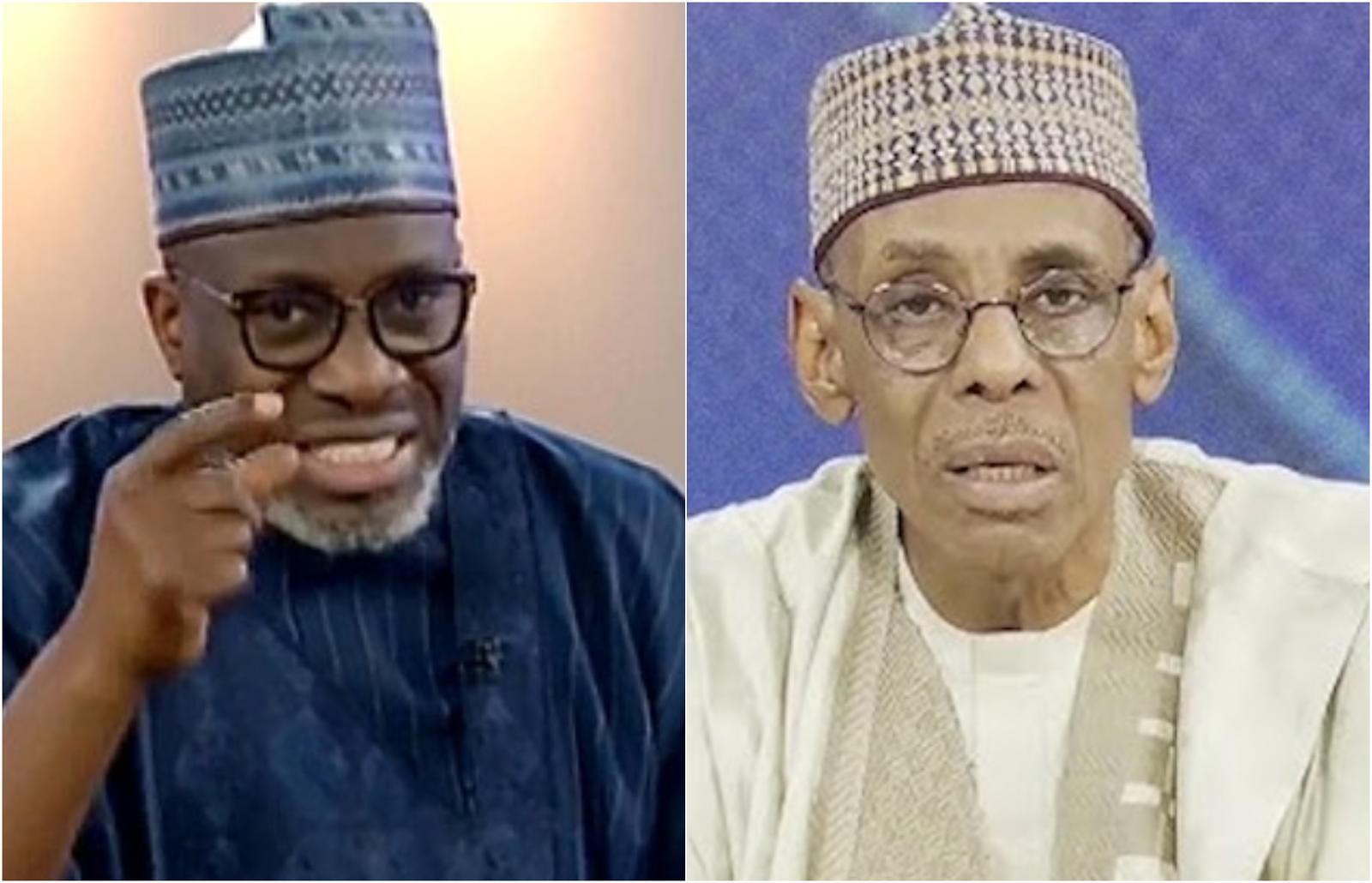
The group argues that the controversy surrounding the party’s recent primary elections cannot be ignored and criticized the committee’s intent, suggesting it is primarily designed to pressure aggrieved members into accepting what they see as an unfair outcome.
“The decision by the NDC to create a National Reconciliation Committee following its controversial primary elections ostensibly aims to restore peace and unity within the party,” the statement reads. “However, it raises critical questions about who is to be reconciled and under what terms.”
The members emphasized that reconciliation should not serve as a replacement for justice. They noted that a committee cannot simply gloss over disputed primaries or silence legitimate grievances. “If members believe their mandates have been manipulated or denied, the NDC leadership must first establish the truth rather than assemble a committee in hopes of moving on,” the statement continues.
The aggrieved members asserted that the committee aims to enforce compliance rather than facilitate true reconciliation, stating, “This panel was never assembled to heal wounds; it was deployed to enforce compliance.”
Ofo further reiterated that true unity must be founded on justice, contending that political parties do not gain strength by suppressing grievances but rather by addressing wrongdoing transparently.
The members challenged the leadership’s declaration of commitment to principles such as internal democracy and inclusiveness, questioning where these values were during the disputed primaries. They called for the reopening of disputes and advocated for the restoration of mandates to those they believe were wrongfully denied.
“There can be no meaningful reconciliation where the facts remain contested, and disputed outcomes are treated as untouchable,” the group stated, stressing that the legitimacy of the committee does not stem solely from its members’ credentials.
The statement concluded with a firm message to the NDC leadership. The members urged that reconciliation should start with truth and collective examination of evidence, complete with recommendations that may challenge the party’s leadership.
“The NDC cannot credibly present itself as a democratic alternative while failing to resolve allegations of internal violations,” they asserted. “The quest for unity can only be achieved through the restoration of rightful mandates.”
They warned that the continued refusal to confront these issues would amount to a failure of democratic principles, asserting that any attempt to force peace without justice would undermine the party’s integrity.