NCDC Mobilises 500 IPC Professionals To Prevent Further Ebola Infections In Nigeria –

NCDC Mobilizes 500+ Infection Control Professionals Amid Ebola Virus Threat
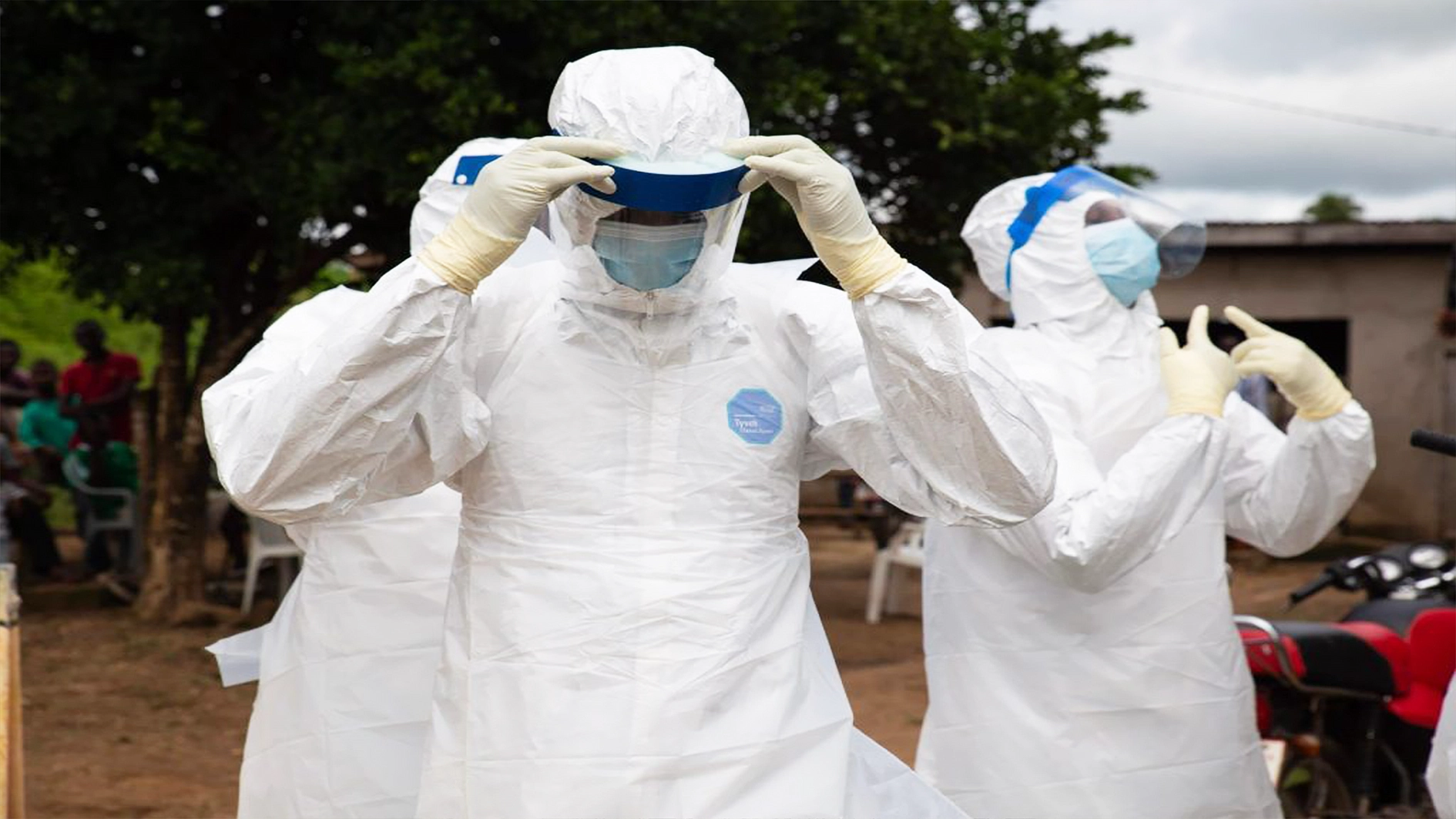
The Nigeria Centre for Disease Control and Prevention (NCDC) has deployed over 500 trained Infection Prevention and Control (IPC) professionals to enhance the country’s response to a confirmed case of Bundibugyo virus disease (BVD), a type of Ebola virus.
The initiative, announced by the NCDC in a statement on Saturday, is designed to strengthen infection prevention practices within healthcare facilities, support frontline health workers, and promote the early identification and reporting of suspected cases. This mobilization coincided with an alumni assembly organized in partnership with DRASA Trust, CICaPS, and other collaborators.



The assembly, themed “500+ IPC Alumni: One Network, Many Actions!”, aimed to coordinate efforts to prevent further transmission of the virus and bolster Nigeria’s outbreak response. As of the announcement, there was one confirmed case of BVD in Nigeria.
The NCDC emphasized the necessity of coordinated actions to effectively contain the outbreak. The agency noted that the network of IPC professionals would enhance protective measures across healthcare facilities and communities, thereby reducing transmission risks and preventing the potential spread of the virus.
NCDC representatives highlighted the importance of investing in a skilled health security workforce, stating that the trained professionals’ expertise is invaluable during public health emergencies. The mobilization initiative also showcases the significance of collaboration in managing such crises, with health media fellows expected to work alongside IPC experts to improve public awareness, counter misinformation, and promote preventive behaviors.
Authorities urged the Nigerian public to remain vigilant and adhere to public health guidelines as efforts to contain the outbreak continue. The NCDC’s public health campaign stresses three key actions: Suspect, Protect, Report. The agency reinforces that a coordinated workforce, supported by public awareness and effective infection prevention measures, is vital for safeguarding public health and mitigating further infections.