Nigeria Confirms Imported Ebola Case In Woman Who Recently Travelled To Uganda
Nigeria Reports First Imported Case of Ebola Bundibugyo Virus
Nigeria has confirmed its first imported case of Ebola Bundibugyo virus disease in a woman who recently returned from Uganda. The patient sought treatment at a private hospital in Abuja, prompting health authorities to identify 44 contacts for tracing and monitoring.
According to the Federal Ministry of Health and Social Welfare, the woman began experiencing symptoms on October 7, just four days after arriving in Nigeria. She visited the hospital for care on October 11, and laboratory tests confirmed the infection on October 20.


The patient is currently in isolation and receiving medical treatment. Authorities are conducting an investigation to determine the source of the infection and to gather a complete history of her travel and potential exposures.
Health officials have intensified monitoring of the 44 identified contacts and are working to identify additional individuals who may have been exposed to the virus. Infection prevention and control measures are being enhanced at the hospital where the patient was treated.
The Nigeria Centre for Disease Control and Prevention (NCDC) has activated its incident management system to coordinate the response, with a focus on rapid case identification, contact tracing, and strategies to prevent further transmission.
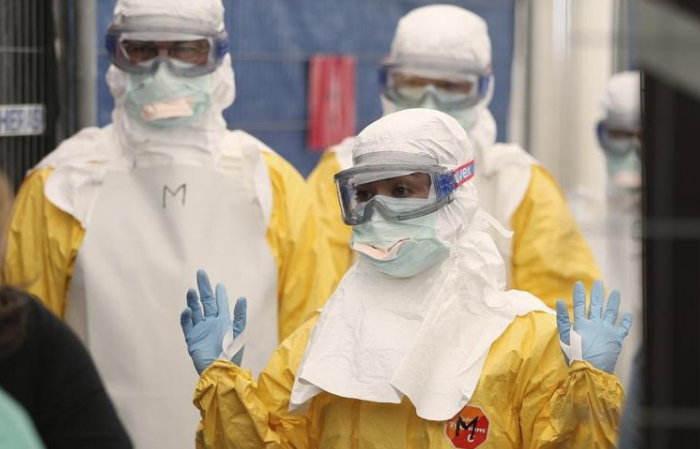
The World Health Organization (WHO) and other partners are assisting Nigerian health authorities in case investigations, contact tracing, and infection control efforts, as well as providing essential supplies, including personal protective equipment for healthcare workers.
Nigeria is the fifth country to report the virus since an outbreak was declared in the Democratic Republic of the Congo on May 15, 2026. In recent weeks, Kenya has also reported nine cases linked to an imported infection. The WHO has urged countries in the region to strengthen disease surveillance, laboratory testing, and emergency response teams.
The organization advocates for increased monitoring at points of entry and ongoing community engagement to support early detection and prevent further transmission. It has advised against imposing travel or trade restrictions on affected countries and will continue to monitor the situation.


