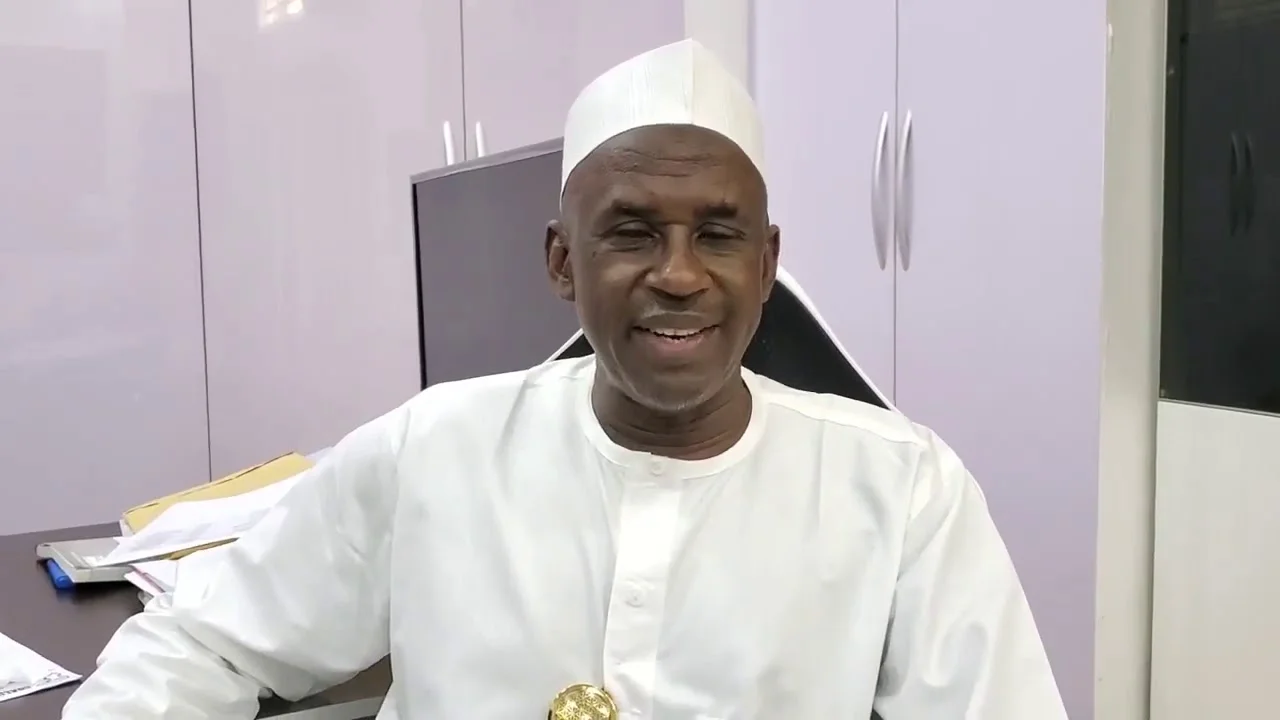
Taraba: Nyameh raises concerns over N22.8bn airport rehabilitation project

Professor Questions N22.8 Billion Airport Rehabilitation Funding in Taraba
JALINGO, Taraba – Professor Jerome Nyameh, the Accord Party’s candidate for governor in Taraba State, on Monday criticized the state government’s decision to allocate N22.8 billion for the rehabilitation of Jalingo Airport. He argued that these funds could be better utilized to address more pressing developmental needs throughout the state.
In a statement responding to a video released by the state commissioner for transportation, who announced the funding approval, Nyameh expressed concern over the significant investment for an airport that primarily serves a limited portion of the population. He emphasized that other essential infrastructure projects and public services directly benefit millions of residents.


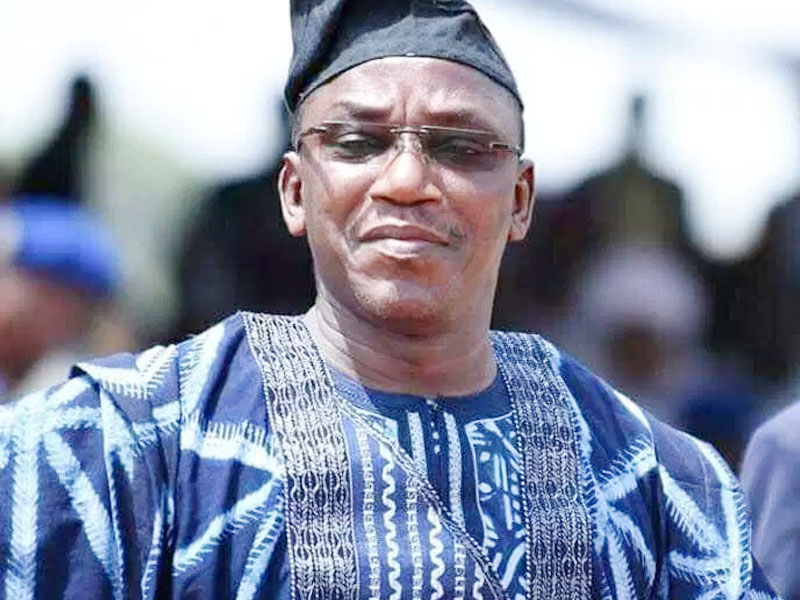
“The amount could potentially have been directed towards initiatives with broader social and economic impacts within six months,” Nyameh said. He proposed that the funds could help extend electricity to underserved communities in areas such as Kurmi, Gashaka, Sardauna, Bali, Karim Lamido, and parts of Gassol.
Additionally, Nyameh suggested that the money could be used to purchase MRI and CT scan machines for healthcare facilities, including Specialist Hospital in Jalingo, General Hospital in Takum, and the First Referral Hospital in Mutum-Biyu, Gassol, thereby improving access to critical medical services.
The professor also highlighted the need for sustainable water supply projects across the state, as many households continue to struggle with access to clean and reliable water.
While acknowledging the importance of airport development, Nyameh questioned whether the timing, cost, and scale of the rehabilitation project truly align with the most urgent needs of the people. He stated, “Development is not solely about the projects a government can undertake; it also involves prioritizing the community’s needs.”
Nyameh asserted that citizens have both the constitutional right and civic responsibility to inquire about the approval, allocation, and use of public funds. He insisted that raising questions about government expenditure should not be misconstrued as political opposition, but rather as a legitimate call for transparency, accountability, and efficiency.
He concluded by reminding stakeholders that public resources belong to the people and that all expenditures ought to reflect their collective interests and developmental priorities.