S&P raises Nigeria’s credit rating on stronger economy
S&P Global Ratings Upgrades Nigeria’s Credit Rating Amid Economic Improvements
By Babajide Komolafe
Nigeria’s sovereign credit rating was upgraded Thursday by S&P Global Ratings from ‘B-‘ to ‘B’, signaling a significant boost in global investor confidence. The upgrade reflects advancements in macroeconomic stability, foreign exchange reforms, and a strengthened oil sector.
The rating agency maintained a stable outlook for Nigeria, suggesting a belief in the sustainability of the federal government’s ongoing economic reforms. In a report released on Wednesday, S&P cited the country’s improved external position—including increased foreign exchange reserves, rising oil production, and enhanced fiscal revenue generation—as key factors in the upgrade.
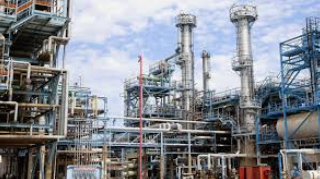
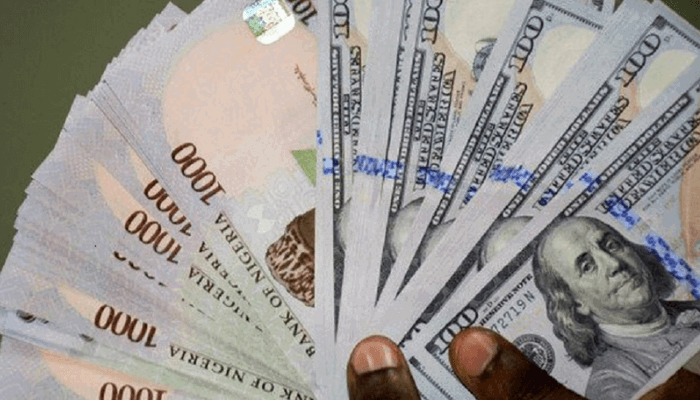
S&P specifically pointed to the impact of Nigeria’s 2023 exchange rate liberalization policy and the increased domestic refining capacity brought about by the Dangote Industries Limited refinery. The agency noted, “Following three years of sustained structural reforms, Nigeria’s creditworthiness has improved. Most notably, the liberalization of the exchange rate has bolstered access to foreign currency and created a market-driven exchange-rate environment.”
The report also indicated that reforms in the oil and fiscal sectors are progressively strengthening government finances and alleviating debt pressures. S&P forecasts a decline in Nigeria’s debt-to-revenue ratio from nearly 500 percent in 2023 to 338 percent in 2026, attributed to improved tax revenue and increased remittances from oil earnings.
Additionally, the agency projects that Nigeria’s current account surplus will rise to 5.8 percent of Gross Domestic Product (GDP) in 2026, up from 4.8 percent in 2025, supported by elevated crude oil prices and expanding refined petroleum exports. Oil production has notably increased, reaching approximately 1.65 million barrels per day in 2025, compared to 1.38 million barrels per day in 2022, aided by improvements in security in the Niger Delta and a reduction in crude oil theft.
Furthermore, the Dangote refinery, functioning near its capacity of 650,000 barrels per day, is expected to bolster economic growth, enhance foreign exchange earnings, and improve domestic fuel supply.
Despite the positive outlook, S&P raised concerns about persistent inflation, rising fuel prices, and poverty, which pose significant risks to the economy. The removal of fuel subsidies and increasing global crude oil prices have exacerbated the cost of living across the country. The agency anticipates inflation will reach 17.7 percent in 2026, with prospects for a decrease to below 10 percent by 2028 if reforms continue.
S&P also cautioned that Nigeria’s weak revenue base, high unemployment, and escalating poverty levels could jeopardize reform efforts as the nation approaches the 2027 general elections. Nonetheless, the agency expressed confidence that ongoing reforms, fiscal discipline, and exchange rate flexibility will bolster Nigeria’s economic resilience and foster long-term growth.