Why Nigeria keeps loosing revenue at Seme Border —Seyi Adeyemo

Concerns Rise Over Revenue Loss at Seme Border
By Godwin Oritse
A retired Customs officer, Seyi Adeyemo, has voiced alarm over significant revenue losses attributed to trade restrictions imposed by the Nigerian government at the Seme Border. This situation persists despite recent multi-billion-naira infrastructure upgrades facilitated by the World Bank.

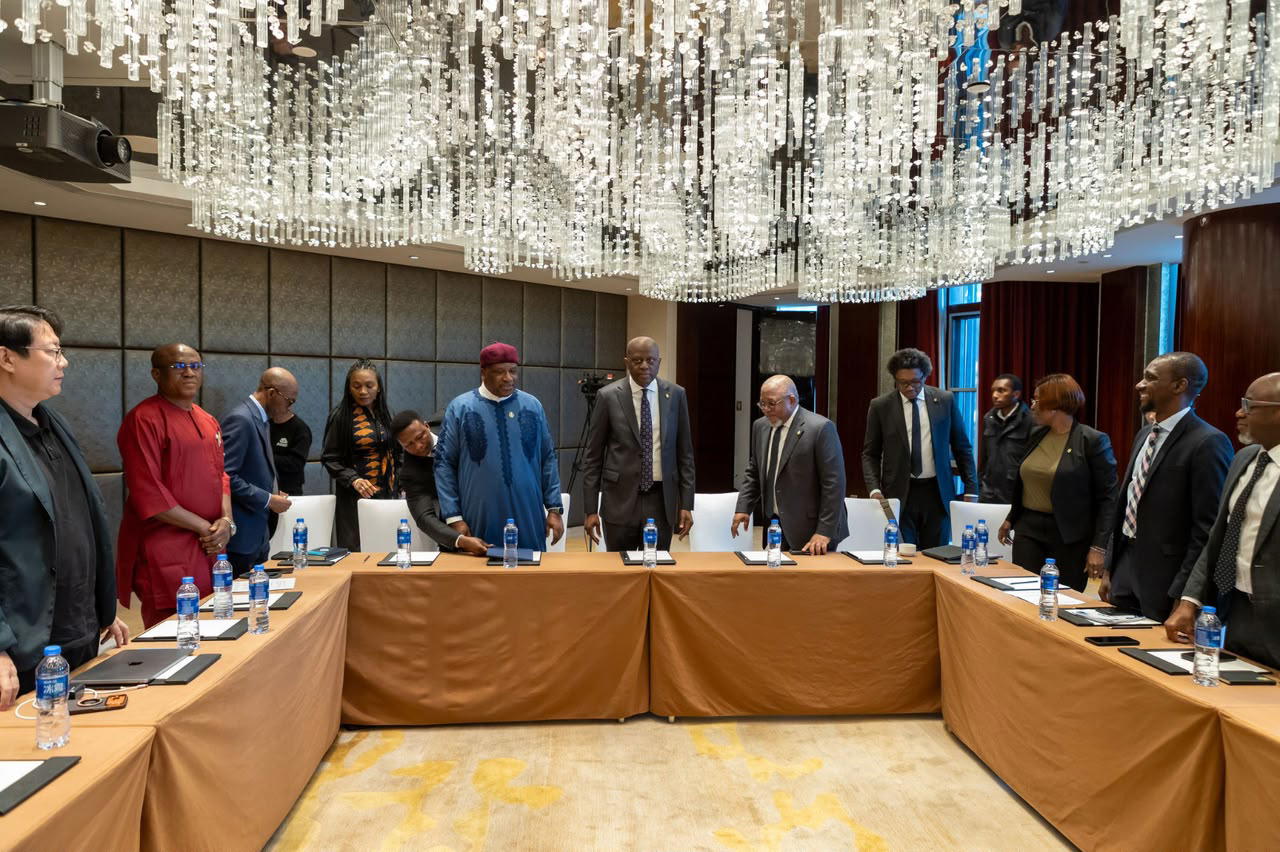

Adeyemo contends that the border’s economic potential remains largely untapped due to ongoing restrictions that not only encourage smuggling but also deprive the national treasury of crucial funds.
He pointed out that Nigeria’s trade policy has relied on restrictive measures, which have become increasingly ineffective. While the intent is to protect local industries and discourage illegal imports, the conditions at the Seme Border suggest that bans are not the optimal strategy for enhancing revenue.
Seme Border, stretching from Lagos to the Republic of Benin, is recognized as Nigeria’s most modern land gateway. Acknowledging its strategic significance, the World Bank recently sponsored extensive renovations of the border facility, transforming it into a model of efficient cross-border infrastructure. In addition to international support, private stakeholders, including logistics companies and regional trade organizations, have invested in bonded terminals and warehouses designed to streamline trade.
Despite this substantial investment, Adeyemo noted that the Federal Government continues to impose strict controls on the movement of certain high-demand goods, particularly used vehicles, commonly referred to as Tokunbo. The government defends these restrictions as necessary to combat smuggling and promote local assembly. However, the reality reflects a different picture: smugglers have merely transitioned their activities to the black market or exploited less secure coastal routes, resulting in a loss of significant revenue needed for the national budget.
“If these restrictions were replaced with a transparent, technology-driven tariff system, Nigeria could generate billions of naira in legitimate import duties,” Adeyemo stated. He emphasized that these funds are currently siphoned off by non-state actors or lost entirely to the economy of the Republic of Benin. In a time when the government seeks to diversify revenue sources away from oil, maintaining such prohibitive measures is counterproductive.
He criticized the lack of strategic flexibility in Nigeria’s border management, which defaults to restrictions that ultimately incur higher costs. By failing to evaluate the trade-offs between enforcement and revenue potential, the government is undermining modernization efforts backed by its international partners.
“The Seme Border should serve as a model for legitimate, revenue-generating trade across the West African sub-region,” Adeyemo said. “It possesses the necessary infrastructure, data collection capabilities, and strategic location to become a key asset for the Nigerian Customs Service. What it requires is a reevaluation of current policies.”
To restore economic stability, Adeyemo asserts that the focus must shift from bans to a more efficient taxation model. He poses a critical question for policymakers: What if the most effective approach to combat smuggling is to facilitate trade rather than impede it?
For further details, visit the full article on Vanguard News.