Ortom accuses Gov Alia of running Benue with lies, hypocrisy
Former Benue Governor Accuses Alia Administration of Deceit and Lawlessness
By Caleb Ayemere
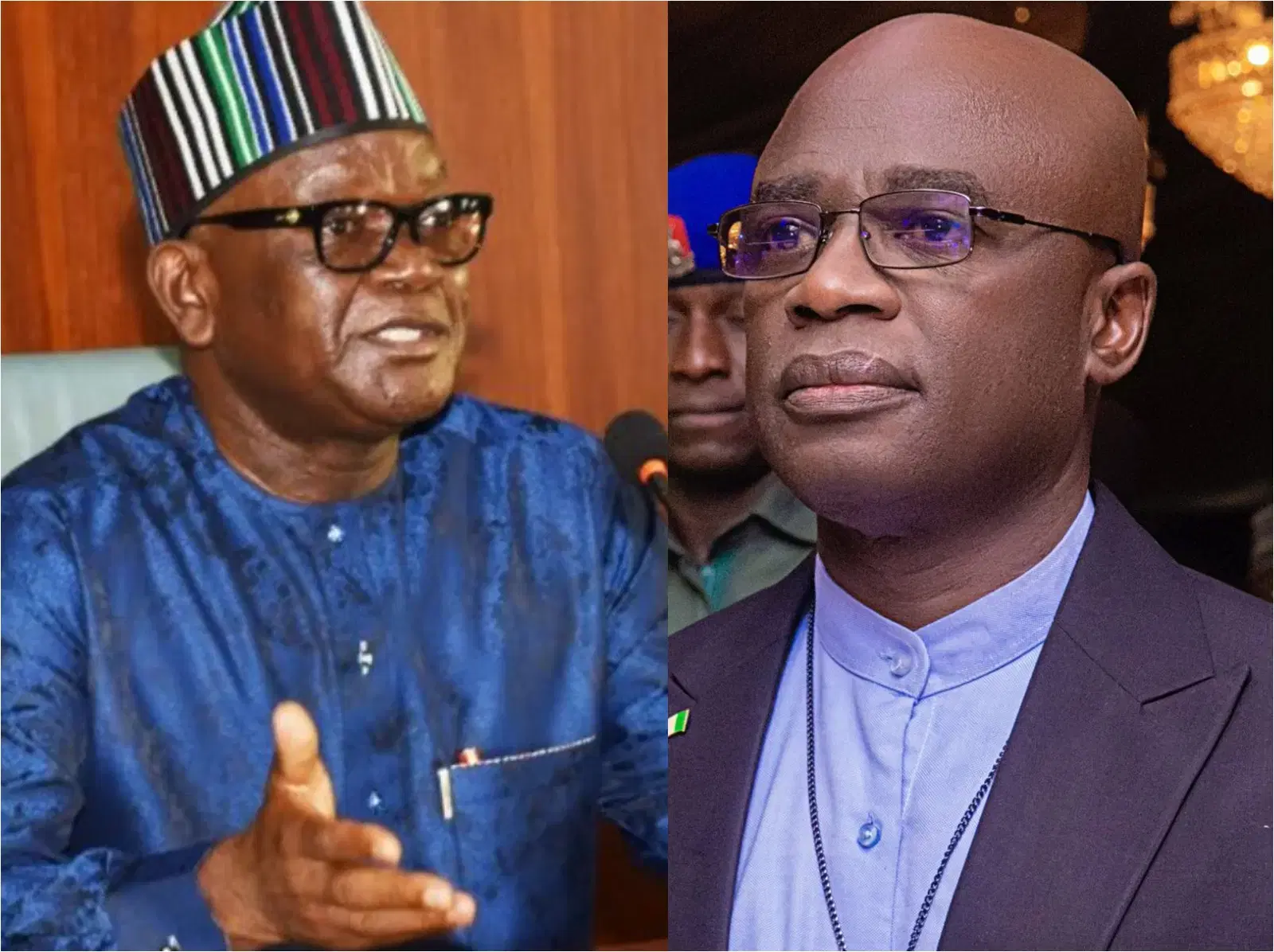
Former Benue State Governor Samuel Ortom has criticized his successor, Governor Hyacinth Alia, for what he described as a governance marked by lies and hypocrisy. In an interview with Arise News, Ortom aired his grievances regarding the current political environment in Benue as the 2027 governorship election approaches.
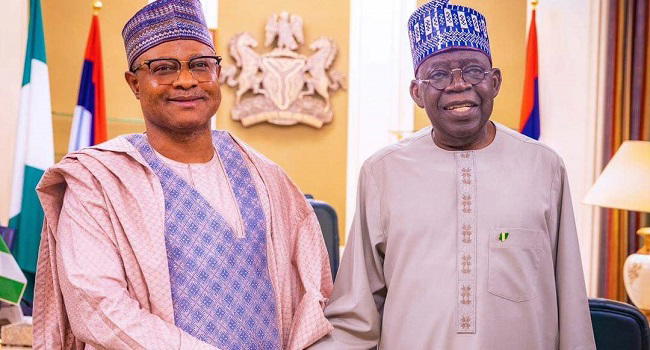

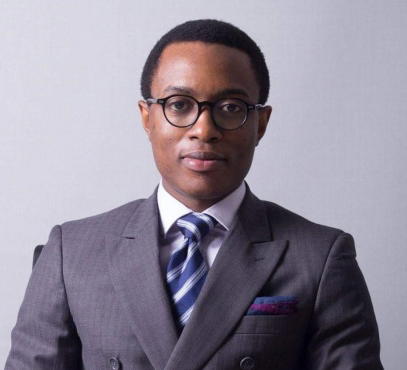
Ortom alleged that the Alia administration, now in its third year, has strayed from democratic principles. “What we are witnessing in the last three years is that this government does not believe in the rule of law but rather engages in witch hunts against its opponents,” he stated.
He cited the government’s seizure of 23 official vehicles that had been allocated to him and members of his former administration. Ortom claimed these vehicles were lawfully approved by the State Executive Council after they had served more than four years. He asserted that the vehicles were taken without prior notification.
Ortom has taken legal action to reclaim the vehicles and has won his case, with a court ordering the return of the vehicles and awarding him ₦5 million in damages. “As I speak to you, those vehicles have not been returned to me, and he has not even appealed the ruling,” Ortom said, calling the situation a clear sign of the administration’s disregard for judicial decisions.
The former governor further accused Alia of instructing traditional rulers to avoid engaging with him during a recent visit to discuss his wife’s senatorial aspirations. “The governor directed that no chief should receive me, and I shouldn’t speak to any of them,” Ortom claimed.
Moreover, Ortom alleged that the current administration has neglected to hold meetings with stakeholders across party lines since taking office. He indicated that while local government autonomy is recognized on paper, council chairmen are unable to execute independent projects or provide proper financial oversight.
Contrasting Alia’s image as a unifying leader before the elections, Ortom stated, “No single person can say that I was healed by Alia’s ministry.” He expressed that the people of Benue feel misled and are now recognizing the disparity between the promises made during the campaign and the present reality.
On matters of security, Ortom recalled President Bola Tinubu’s directive following the Yelewata massacre, which instructed the governor to convene a meeting with former governors, traditional leaders, and other stakeholders to seek lasting solutions. “[Alia] has refused to summon that meeting,” Ortom asserted, adding that the governor believes he operates independently without needing input from others.
Ortom recounted an initial meeting with Alia before his inauguration, where he offered support and provided handover notes. He claimed that since that meeting, he has been unable to contact the governor. “Since that meeting till today, the man hasn’t picked my call,” Ortom said.
He attributed the growing political opposition to widespread public disillusionment, noting that candidates like PDP governorship aspirant Michael Auduaka are gaining popularity as residents seek alternatives to the current administration.
Ortom also expressed concern that increased federal allocations, following the removal of the fuel subsidy, have not resulted in significant development in the state. He claimed that while allocations are rising, progress remains largely focused on Makurdi, leaving the 23 local government areas with minimal visible improvements.
Despite his criticisms, Ortom endorsed President Tinubu’s reelection campaign in 2027, affirming his alignment with Federal Capital Territory Minister Nyesom Wike and stating that he and his supporters are actively working for the president. At the state level, Ortom indicated he would support chosen candidates for various positions but refrained from naming them during the interview.
In closing, Ortom emphasized the importance of accountability and inclusiveness in a democratic society. “Democracy is about the people. So where you don’t allow the people to see you and talk to you… nothing is happening,” he concluded.