Atiku should wait till 2031 to contest presidency, says Bode George
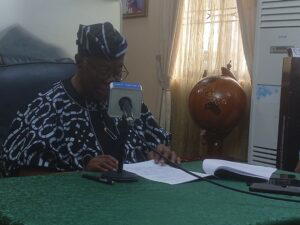
Chief Olabode George, a notable figure in the Peoples Democratic Party (PDP) and former Deputy National Chairman, reiterated his opposition to former Vice President Atiku Abubakar’s presidential bid in the lead-up to the 2027 general elections. Speaking at a news conference in Lagos commemorating his 81st birthday, George emphasized that Atiku’s aspirations contradict the existing power rotation framework aimed at fostering equity and national unity between Nigeria’s northern and southern regions.
George articulated that this framework, established by the founding fathers of Nigeria’s current democratic system, mandates a rotation of leadership among the country’s six geopolitical zones. According to him, the arrangement stipulates that power should alternate between the North and South every eight years.
“It would have been an aberration if a southerner had insisted on succeeding former President Olusegun Obasanjo in 2007,” he said. “Former Vice President Atiku Abubakar disrupted this trajectory when he sought to succeed President Muhammadu Buhari in 2023, which is why I opposed his ambition.”
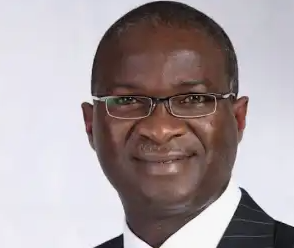


George noted that Atiku, now the candidate for the African Democratic Congress (ADC), is the only northerner currently pursuing the presidency for 2027 while the South has not completed its eight-year tenure. He criticized Atiku’s ambition, questioning the rationale for his repeated candidacy and urging him to postpone his aspirations until the next northern rotation in 2031.
“The law should be applied fairly, without political considerations or intimidation,” George said, addressing the ongoing detention of former Kaduna State Governor Nasir El-Rufai. He called for the judiciary to reconsider El-Rufai’s bail conditions, asserting that bail is a constitutional right.
George also expressed concern over the potential for political violence leading up to the 2027 elections, condemning alleged attacks on opposition gatherings. He called on President Bola Tinubu to admonish members of the ruling All Progressives Congress (APC) and other political entities against violence and intimidation.
“The right of opposition voices to organize and contest power is a constitutional necessity,” he emphasized, urging the National Peace Committee to escalate efforts to prevent political violence.
In terms of security, George advocated for the establishment of state police, which he believes is vital for addressing issues such as kidnapping and banditry. He expressed approval for recent legislative support for this initiative and urged swift presidential assent.
George also highlighted the need to combat tribalism and religious intolerance, positing that these factors hinder national unity and development. He called for investment in skill acquisition centers and vocational training to propel growth.
As he reflected on his life and service to Nigeria, George urged citizens to prioritize national interests over personal ambitions, advocating for unity as key to the country’s advancement. “We may belong to various parties, but we have only one country: Nigeria,” he stated.
His remarks concluded with an appeal for collective action to elevate Nigeria’s standing in Africa and transform it into a united and prosperous nation.