Atiku weaponises poverty for campaign; Obi runs social media algorithm — Bwala

Bwala Critiques Atiku and Obi’s Campaign Strategies Ahead of 2024 Election
Daniel Bwala, Special Adviser to President Bola Tinubu on Policy Communication, has accused former Vice President Atiku Abubakar of leveraging poverty to win voter support. Speaking on the Naija Unfiltered Podcast, Bwala described Atiku’s approach as the “weaponization of poverty’s algorithm,” suggesting it serves as a gateway for political engagement.
Bwala also targeted Peter Obi, the presidential candidate for the Nigeria Democratic Congress (NDC), stating that his reliance on social media engagement does not equate to real electoral strength. He expressed skepticism about the effectiveness of online interactions and large rally crowds as indicators of true voter backing.
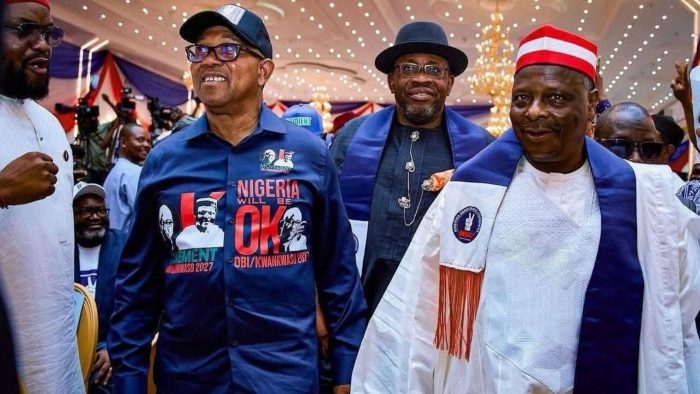
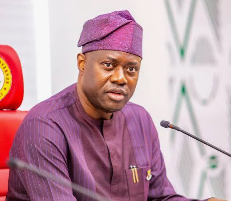
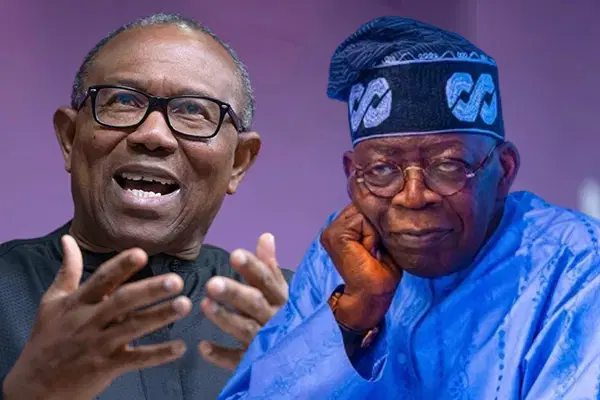
In response to concerns about Atiku’s increasing popularity in the North as the January 16 presidential election approaches, Bwala dismissed the former vice president’s campaign crowds as misleading. He emphasized that Atiku has historically attracted large turnouts without translating that support into electoral victories.
“I have consistently argued that rally numbers do not prove popularity,” Bwala stated. “It is crucial to understand that large crowds do not guarantee votes. Atiku is adept at gathering people, but we know how crowds can ebb and flow in campaigns.”
Bwala recalled Atiku’s previous campaign against former President Olusegun Obasanjo, noting that despite a surge in appearances and public support shortly before the election, it did not lead to success at the polls.
He urged that genuine political strength should be defined by grassroots mobilization rather than the number of attendees at campaign events. Bwala further questioned the effectiveness of Atiku’s political network in the North, particularly in light of the party’s lack of gubernatorial representation in the region.
“Even with the crowd, we have attracted more attendees than he has. What is Atiku’s strategy? His new party lacks a governor,” Bwala remarked.
Bwala also criticized Obi’s political methodology, alleging that the former Anambra governor’s popularity was predominantly driven by social media, lacking substantive political groundwork. He claimed that key support from churches and political allies instrumental to Obi’s previous campaign has dwindled.
“Obi is relying on social media to gauge his political standing, but it doesn’t reflect reality on the ground,” Bwala said. He added that Obi’s current social media traction is largely maintained by online influencers, rather than by robust political infrastructure.
Addressing concerns regarding videos that surfaced online showing individuals allegedly hired to attend rallies, Bwala reiterated his stance against using crowd size as a metric of political success. He argued that actual electoral outcomes depend on registered voters who participate in the electoral process.
“Elections should be determined by those who are registered, accredited, and who cast their votes—the measured results of the system do not stem from crowd popularity,” Bwala noted.
In conclusion, Bwala contrasted the political strategies of Atiku and Obi, suggesting that they differ fundamentally—Atiku capitalizes on economic hardship, while Obi relies on social media mobilization.
“Atiku is focused on the economic struggles of the populace, while Peter Obi is attempting to master social media algorithms,” Bwala stated.